other

Blogs

  • Artificial Olive Trees: Styles, Uses, and How to Choose One
    Jun 29, 2026
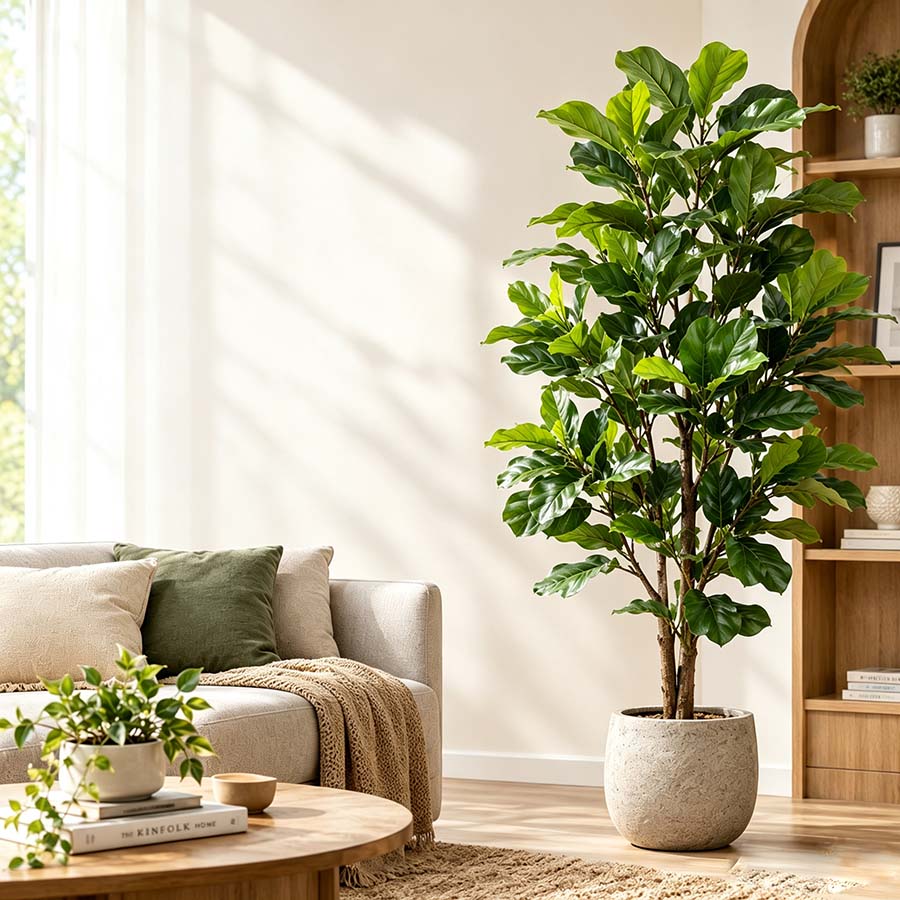
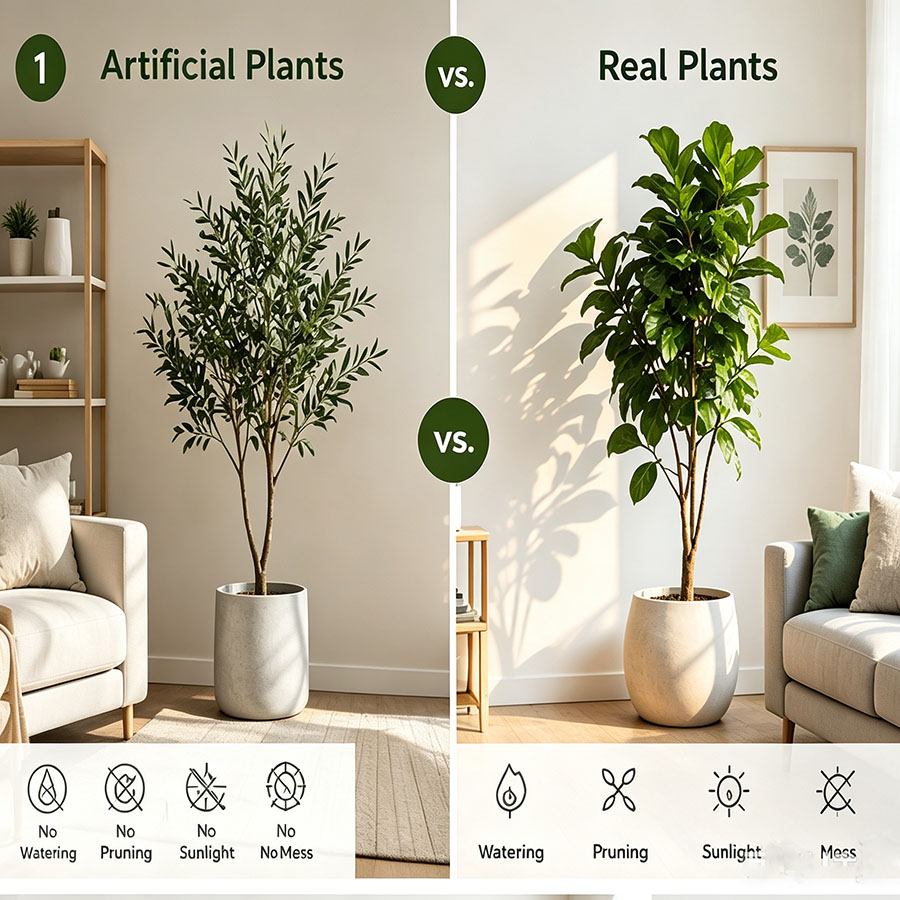
    Artificial olive trees are widely appreciated for their Mediterranean appearance and year-round greenery. Unlike real plants, they require no watering, pruning, or sunlight, making them a practical and reliable choice for both residential and commercial interiors. Whether used as a subtle decorative accent or a bold focal point, a faux olive tree brings a calm, natural atmosphere into a wide range of spaces without the ongoing maintenance of live greenery.            Visual Value and Core Benefits Artificial olive trees are especially valued for their ability to deliver a consistent Mediterranean aesthetic while maintaining a natural green presence throughout the year. Key benefits include: No watering, pruning, or sunlight required Long-term stable appearance Suitable for multiple interior styles Low maintenance and cost-efficient over time This makes them a practical alternative for people who want greenery without ongoing care responsibilities.   Compatibility with Interior Styles A fake olive tree fits seamlessly into a wide range of interior design styles, making it a versatile decorative element: Modern interiors: adds natural contrast to clean lines Minimalist spaces: serves as a simple visual anchor Rustic environments: enhances organic texture Boho style: contributes softness and layered greenery Traditional interiors: balances formal layouts with natural warmth Because of this flexibility, artificial olive trees are commonly used in both residential and commercial design projects.   Importance of Scale and Room Proportion Choosing the right size of an indoor artificial olive tree is essential for achieving visual balance. Small trees: ideal for desks, shelves, and compact corners Medium trees: suitable for living rooms and entryways Tall trees: best used as focal points in larger spaces A properly scaled tree enhances spatial harmony, while an oversized or undersized piece may disrupt the overall composition.            What Makes an Artificial Olive Tree Look Realistic The realism of a realistic artificial olive tree depends on fine detailing rather than uniform appearance. Key realism factors include: Matte, non-glossy leaf surfaces Subtle color variation in foliage Natural-looking trunk texture and shape Slight irregularity in branch structure Realistic designs intentionally avoid perfect symmetry, since natural olive trees are inherently uneven in form.   Stability and Structural Quality A well-constructed fake olive tree should prioritize stability, especially in high-traffic environments. Important structural features include: Weighted base for balance Reinforced internal frame Durable trunk support system These elements help prevent tipping and ensure safe placement in homes, offices, and commercial areas.   The Role of Planters and Containers The planter plays a significant role in overall visual realism. A well-chosen base can dramatically improve integration into interior design: Woven baskets: suitable for natural or boho styles Ceramic pots: ideal for modern or minimalist spaces Concrete planters: fit industrial-style interiors An artificial olive tree with pot looks significantly more natural when the container matches the surrounding decor.   Placement Strategies for Better Visual Impact Placement strongly influences how the tree interacts with the space. Effective locations include: Room corners to add vertical height Near windows to enhance natural lighting effects Beside seating areas for balance and softness Dining areas to introduce vertical greenery without blocking sightlines          These positions allow the tree to enhance depth and structure without occupying functional space.   Light Conditions and UV Resistance In bright environments, UV resistance becomes an important feature. UV-resistant artificial olive trees help: Reduce leaf fading over time Maintain consistent color in sunlit rooms Improve durability in bright or semi-outdoor areas This is especially important for placements near large windows or glass walls.   Applications in Commercial Spaces Beyond home interiors, artificial olive trees are widely used in commercial environments: Hotel lobbies Corporate offices and meeting rooms Restaurants and cafés Wedding and event decorations Retail and branded environments They are particularly effective in creating a calm, upscale, and welcoming atmosphere.   Key Selection Principles The best choice is usually the one that balances multiple factors rather than focusing on a single feature. When selecting an artificial olive tree, consider: Realism of foliage and trunk Proper scale for the space Compatibility with interior style Stability and structural strength Low maintenance requirements A well-balanced tree enhances the environment without overwhelming it visually.   Artificial olive trees combine aesthetic value with practical functionality, making them a versatile solution for modern interior design. From compact indoor accents to large focal installations, a well-selected faux olive tree can elevate both residential and commercial spaces by introducing natural texture, Mediterranean warmth, and consistent greenery throughout the year.
  • Artificial Blossom Trees for Hotels, Malls and Landscape Projects | Manufacturer & Wholesale Supply
    Jun 26, 2026
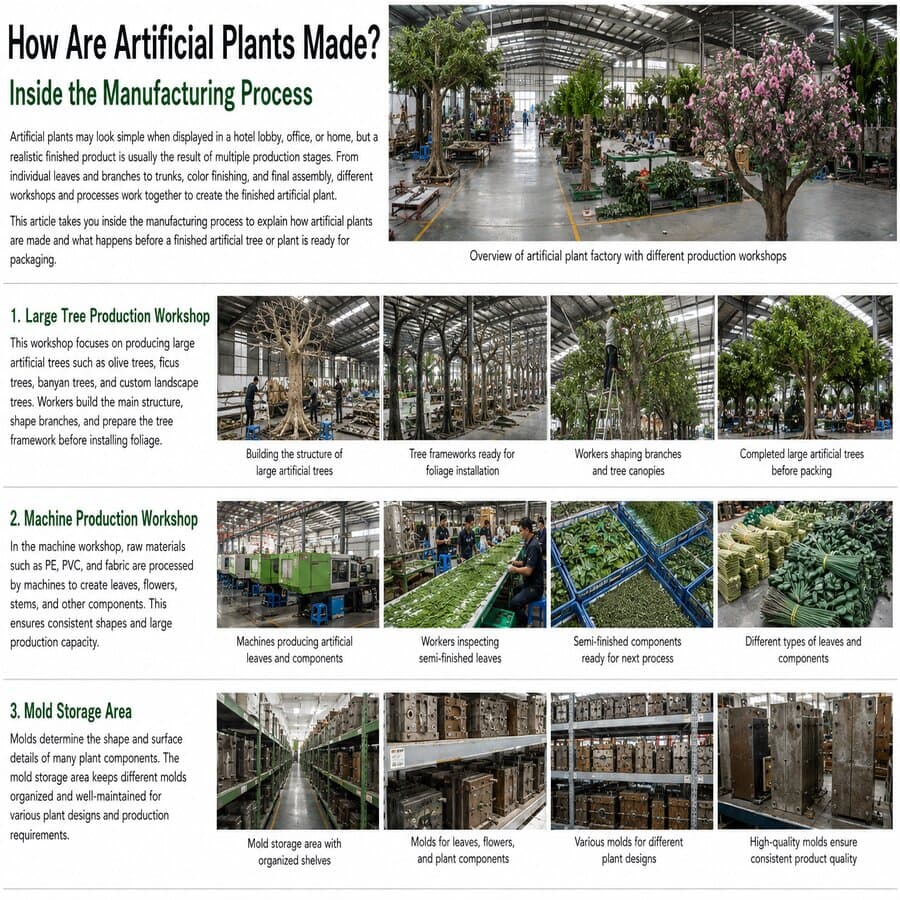
    Artificial blossom tree products are widely used in commercial decoration, hospitality environments, and landscape design projects. In recent years, demand for artificial cherry blossom tree installations has increased across hotels, shopping malls, and public spaces due to their stable appearance and long service life. A reliable artificial blossom tree manufacturer in China typically provides complete production capabilities, from structural design to final assembly. This supports global buyers who work with a wholesale artificial blossom tree supplier for large-scale or repeat procurement projects. Beyond visual aesthetics, artificial trees are increasingly chosen for operational efficiency. They eliminate daily watering needs, remove recurring pruning and fertilizing tasks, and provide a stable decorative solution for long-term installations.                   Manufacturing System and Factory Production Process A professional artificial blossom tree manufacturer operates through a structured production system including trunk modeling, branch shaping, flower assembly, and finishing treatment. Many factories provide artificial blossom tree factory direct supply to reduce intermediate costs and improve project efficiency. OEM services from an OEM artificial blossom tree manufacturer allow customization of height, color, and density based on architectural or interior design requirements.   Material Engineering and Durability Materials such as PE, silk fabric flowers, and reinforced fiberglass trunks ensure long-term structural stability. A high-quality realistic artificial blossom tree emphasizes natural branching structure and visual balance. For outdoor applications, UV-resistant coating supports durability under sunlight exposure, especially for UV resistant artificial blossom tree for outdoor use systems.             Operational Value and Long-Term Cost Efficiency Artificial blossom trees are increasingly selected not only for appearance, but also for operational efficiency in commercial environments. Compared with live plants, they offer a predictable long-term cost structure. They eliminate daily watering needs, which reduces ongoing operational dependence on maintenance staff. They also remove recurring pruning and fertilizing tasks, helping simplify facility management systems. Because artificial trees last multiple years, they significantly cut lifecycle replacement costs. In most commercial projects, this extended lifespan becomes a key factor in procurement decisions. Upkeep requirements are minimal, generally limited to occasional dusting or cleaning. This reduces labor intensity and lowers the need for external horticultural service contracts. Additionally, they prevent mess-related cleaning costs caused by soil spillage, leaf drop, or needle shedding—especially in high-traffic indoor environments such as hotels and malls.   While initial investment may be higher, the total cost of ownership is typically lower over time due to reduced maintenance and replacement cycles.   Wholesale Supply and Procurement Advantages Bulk Order and Factory Direct Model For commercial buyers, artificial blossom tree bulk order for hotel decoration solutions ensure consistent quality and simplified logistics. A wholesale artificial blossom tree supplier can support mixed-size container shipments for large projects.   Centralized Procurement Benefits Centralizing artificial-tree purchases across multiple project locations enables bulk discounts and streamlined maintenance budgeting. This approach is widely adopted by hotel groups, retail chains, and real estate developers managing multi-site operations.    OEM and Export Systems An artificial blossom tree export company China supports international shipping, packaging standards, and documentation processes. OEM customization further enables brand-specific design systems for commercial deployment.   Commercial Space Applications and Functional Benefits Hospitality and Hotel Spaces In hospitality environments, artificial blossom tree for hotel lobby decoration is widely used to create visual identity in reception areas. These installations provide consistent year-round appearance without seasonal decline. Artificial trees also reduce allergy-related liabilities and associated absenteeism risk in indoor spaces, making them suitable for enclosed public environments.   Retail and Shopping Centers Shopping malls frequently install artificial blossom tree for shopping mall atrium designs to enhance vertical space and customer experience. The stable appearance ensures uniform visual presentation across all seasons.   Events and Temporary Installations Event planners use large decorative blossom tree for exhibition booth design due to reusability and fast installation. Wedding venues often select artificial sakura tree for wedding venue decoration for thematic consistency.   Product Features and Design Variations Lighting and Visual Enhancement A realistic artificial cherry blossom tree with LED lights enhances nighttime visual impact, especially in hospitality and retail environments.         Maintenance-Free Operation Artificial trees are maintenance-free compared to live plants. They do not require irrigation systems, pruning schedules, or fertilization cycles, reducing operational complexity.   Size and Customization Common configurations include 2m, 3m, and 4m installations under large size artificial blossom tree 2m 3m 4m height specifications. Color options include pink, white, and mixed tones such as pink white artificial blossom tree decoration.         Engineering Projects and Large-Scale Deployment Large commercial developments often use artificial blossom tree for commercial landscape projects to maintain design consistency across multiple zones. Developers prefer large scale artificial blossom tree supply for developers due to predictable performance and simplified maintenance planning. For architectural integration, artificial blossom tree for architectural interior design project provides flexible spatial structuring without environmental dependency.   Maintenance Efficiency Summary in Commercial Use Across commercial applications, artificial blossom trees provide a predictable operational model: No daily watering requirements No pruning or fertilizing schedules Reduced lifecycle replacement costs due to long service life Minimal upkeep limited to dusting or cleaning Lower dependence on labor and external maintenance contracts Reduced cleaning costs from soil, leaf, or needle debris Lower total cost of ownership over long-term usage Stable year-round appearance without seasonal degradation Reduced allergy-related risks in indoor environments Centralized procurement enables bulk discounts and simplified budgeting   These combined factors make artificial trees a structured solution for long-term commercial planning. The growing demand for artificial cherry blossom tree solutions reflects both aesthetic and operational considerations. Working with an experienced artificial blossom tree manufacturer in China enables scalable production, OEM customization, and efficient global supply.   From factory direct supply models to wholesale artificial blossom tree supplier networks, these systems support hotels, shopping malls, exhibitions, and large-scale landscape developments with stable visual performance and reduced long-term operational costs.
  • Best Wholesale Artificial Flower Color Schemes for Wedding & Commercial Styling
    Jun 23, 2026
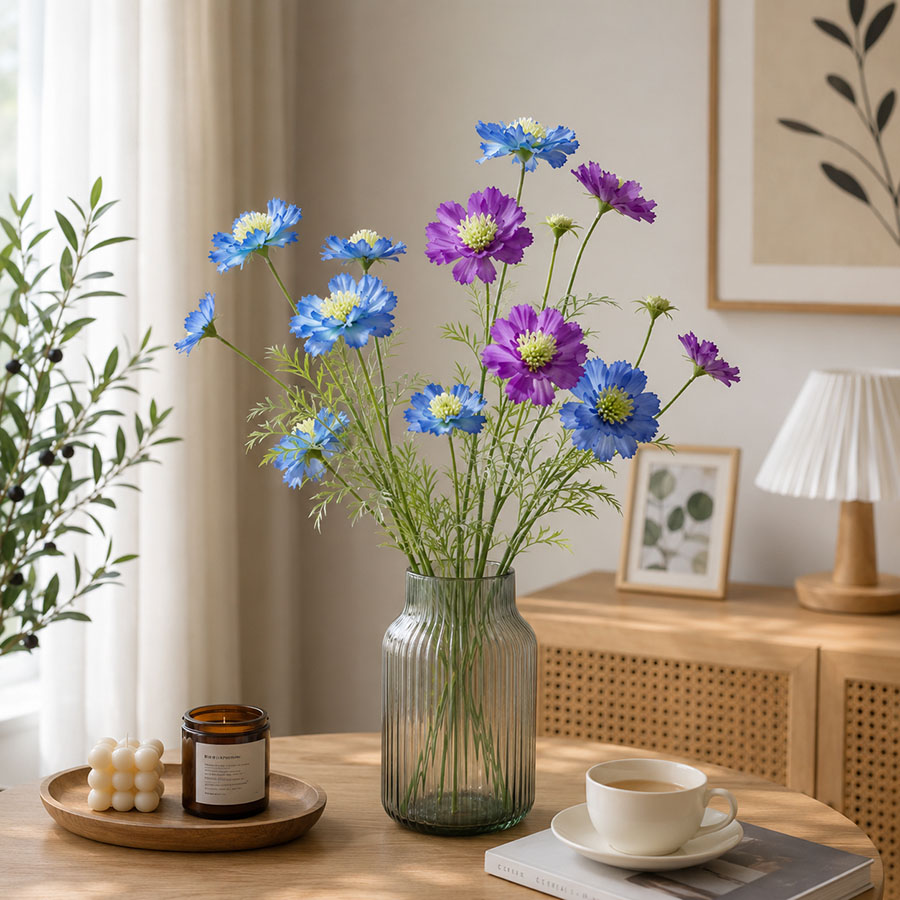
    Color palette design defines the overall grade of artificial flower decor. For wholesale buyers, event stylists and commercial designers, artificial flowers offer stable color consistency, zero seasonal limits and customizable tones that real flowers cannot match. Below are the most popular, high-converting color schemes for wedding soft furnishing and commercial display , perfect for bulk procurement and daily scene styling.   Trending Wedding Artificial Flower Color Schemes Wedding color matching focuses on romance, softness and layering. These classic palettes maintain high repurchase rates for wedding studios and event contractors. 1. Cloud Dancer + Ivory Cream (Modern Minimalist Wedding) This mainstream wedding palette features soft, low-saturation tones for a pure, dreamy and luxurious look. Ideal for lawn weddings, indoor church ceremonies and minimalist bridal scenes. 2. Ruby Red + Champagne Gold (Luxury Wedding) Deep ruby red replaces harsh bright red to deliver a premium vintage luxury feel. Matched with champagne gold, it creates a grand and warm atmosphere, perfect for autumn & winter weddings and banquet hall layouts. 3. Dusty Rose + Terracotta (Retro Outdoor Style) A timeless warm retro combination. The earthy soft tones fit outdoor lawn weddings, countryside themes and boho styles, delivering a gentle and natural texture all year round. 4. Emerald Green + Pale Blush (Fresh Forest Style) The high-contrast collocation of vibrant green and tender blush adds vitality and fashion, which is the best choice for spring and summer fresh weddings and forest-themed decor.   Best-Selling Color Schemes for Commercial Display & Retail Space Commercial (commercial display) requires strong visual appeal and brand compatibility. These trending palettes suit mall window displays, cafe & restaurant decor, store punching scenes and seasonal promotions. 1. Cobalt Blue + Metallic Gold Cobalt blue is calm and eye-catching, paired with metallic gold, it presents a strong luxury texture, ideal for shopping mall atriums, luxury brand windows, hotel lobbies and exhibition layouts. 2. Chartreuse + Pure White Bright and energetic chartreuse matches pure white to create a clean, fashionable look. It is extremely photo-friendly, perfect for milk tea shops, clothing stores and summer commercial promotion scenes to attract foot traffic. 3. Midnight Navy + Plum  Low-key dark tone collocation suits cold-season commercial decoration, Christmas themes and retro brand displays, showing advanced and elegant space temperament. 4. Gradient Champagne (Universal Minimalist Style) Layered monochrome champagne tones are versatile and error-free, compatible with hotels, offices and chain stores. It is the safest bulk wholesale option for long-term commercial soft furnishing. Wholesale Procurement & Color Matching Tips - Prepare universal base colors: Champagne, ivory, dusty pink and emerald green are all-season mainstream stock options. - Seasonal color strategy: Bright tones for spring & summer; deep luxury tones for autumn & winter to fit seasonal marketing.   Conclusion Artificial flower decor breaks seasonal restrictions and ensures stable color presentation for weddings and commercial scenes. Choosing trending color palettes helps designers and wholesalers improve scene grade and gain more market competitiveness. Contact us today for bulk wholesale prices and custom artificial flower decoration solutions!            
  • Commercial Artificial Trees for Indoor Spaces: Everything You Need to Know About Realistic and Safe Indoor Greenery
    Jun 22, 2026
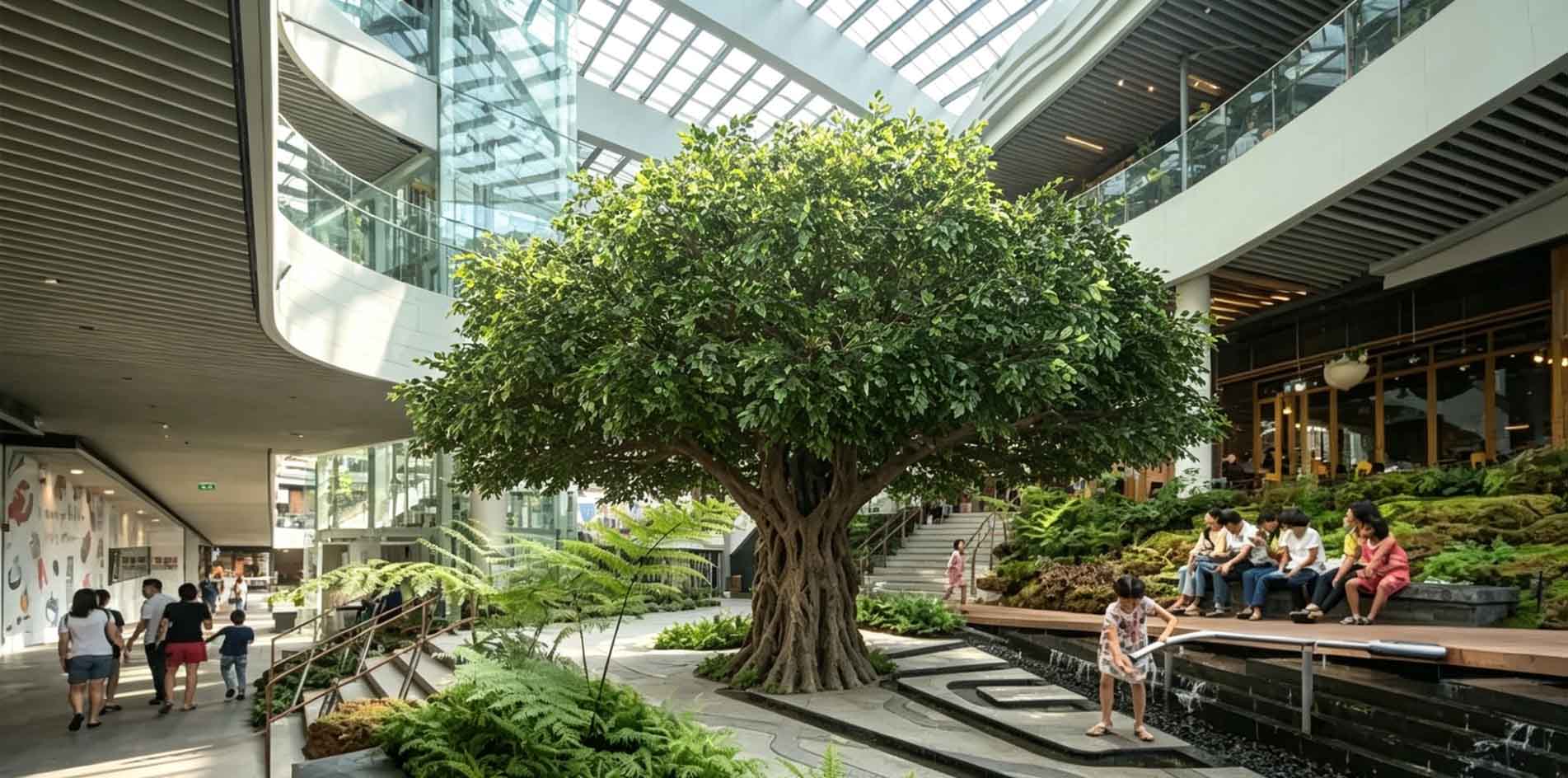
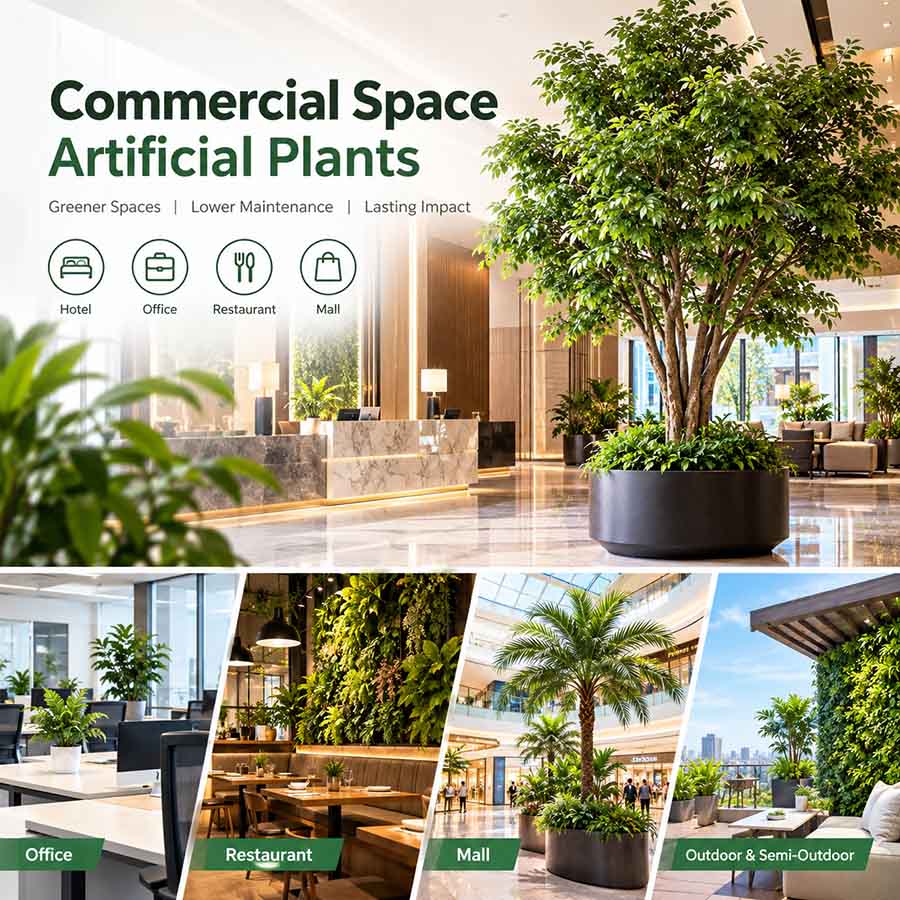
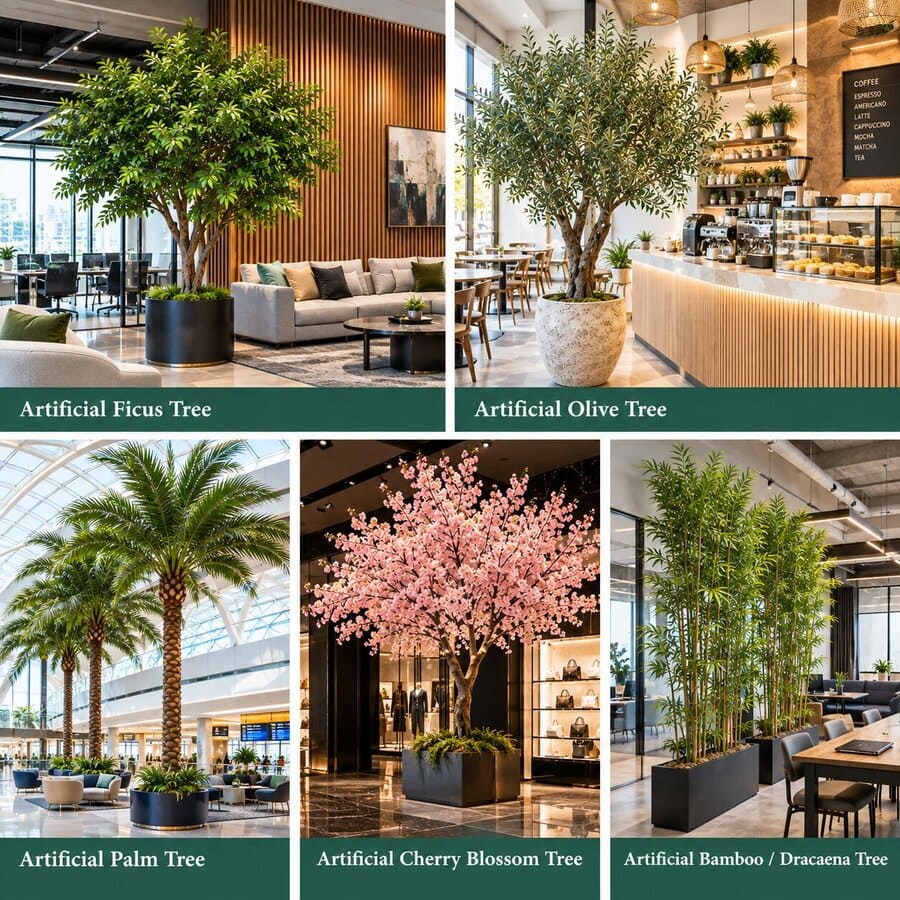
    Why Commercial Spaces Use Artificial Large Trees More Often In hotels, shopping malls, exhibition halls, office buildings, and dining spaces, greenery often plays an important visual role. Compared with real trees, artificial large trees are easier to maintain, faster to install for styling, and more likely to keep a consistent appearance over time.   For buyers who need bulk purchasing or custom projects, the key is not only whether the trees look realistic, but also whether they offer stable sizing, durable materials, fire-retardant performance, and overall harmony with the space.   Common Application Scenarios   Hotels and Reception Areas Hotel lobbies, corridor corners, banquet halls, and lounge areas often use large artificial trees to create a stronger sense of depth and atmosphere. Common choices include artificial palm tree, commercial artificial ficus tree, and faux olive tree, all of which work well for creating a calm and natural feel.   Retail and Commercial Displays Store windows, brand kiosks, and pop-up shops often need fast visual setup, so bulk purchasing is common. In these settings, fake large indoor trees need to do more than look attractive; they also need to be easy to install and flexible to move later.   Dining and Office Environments Restaurants, cafes, co-working spaces, and corporate reception areas often choose medium-height trees with natural-looking canopies, such as artificial banyan tree or ficus-style designs. These trees can help divide space while avoiding the maintenance costs of real plants.              How to Choose the Right Tree Type   Artificial Palm Tree An artificial palm tree is well suited for tropical styles, resort-like environments, and tall spaces. Its leaf shape is visually distinct, making it a strong focal point, and it is also commonly used in entrances and background decor.   Faux Olive Tree Faux olive tree wholesale has become a popular procurement choice in recent years. Olive trees have a light and elegant branch structure, making them suitable for modern, Mediterranean, or upscale styles. They are especially fitting for products such as a 6ft artificial olive tree with realistic trunk.   Artificial Ficus and Banyan Trees Commercial artificial ficus tree and artificial banyan tree bulk are commonly used in large indoor commercial projects. Their fuller canopy makes them ideal for creating a visually substantial centerpiece in a space.             What to Focus on When Buying   1. Whether the Trunk Looks Natural Many buyers first pay attention to the leaves, but the trunk often determines the overall quality. For products like a 6ft artificial olive tree with realistic trunk, good trunk texture, branch structure, and color layering can make the tree look much closer to a real plant.   2. Whether the Size Fits the Space A large space should not be judged by the appearance of a single tree alone. Ceiling height, walkway width, and lighting conditions all matter. A tree that is too small may look thin, while one that is too large may overwhelm the space, so it is best to confirm the installation area’s clear height and placement radius in advance.   3. Whether the Materials Suit Commercial Use Commercial projects usually care more about durability. For long-term display environments, flame-retardant and weather-resistant performance often matter more than short-term decorative use, especially in hotels, public areas, and high-traffic spaces.   4. Whether Bulk and Customization Are Available If the project requires a unified visual style, bulk purchasing is more efficient than buying individual items. Many manufacturers offer customization for height, leaf type, canopy density, planter style, and color, which is well suited for chain stores and construction projects.   Why Fire-Retardant Products Matter Fire retardant artificial trees for hotels are often listed separately because hotels and public spaces have higher safety requirements. Fire-retardant materials do not mean the product cannot burn at all, but they can help slow the spread of flames, which makes them worth careful consideration during selection.   If the project is located in a densely populated area or a place with stricter fire regulations, it is advisable to prioritize products that clearly state fire-retardant performance and to confirm the testing standards, material details, and applicable scope.   Practical Tips for Bulk Purchasing When buying in bulk, reviewing a sample before confirming the final order is usually the safer approach. During the sample stage, pay close attention to color, leaf density, trunk detail, stability, and odor to avoid major differences between the sample and the bulk order.   If the purchasing target is faux olive tree wholesale, artificial palm tree manufacturer, or artificial banyan tree bulk, it is best to describe the intended use, installation environment, expected height, budget range, and delivery timeline at once. This makes it easier to receive a solution that fits the project better.   If the goal is to choose the right artificial large trees for a commercial space, the focus should be not only on appearance, but also on size, trunk realism, material safety, and whether bulk customization is available. For hotels, retail spaces, and office environments, choosing products that match the interior style, have a natural structure, and are suitable for long-term use usually creates a more stable decorative result.   The value of these products is often reflected in three points: they look natural, they are easy to manage, and they create a consistent overall effect.
  • Selecting Faux Trees for Tropical Commercial Landscapes
    Jun 15, 2026
    Creating a lush, immersive tropical vibe for commercial properties—resorts, beach restaurants, mall courtyards, hotel lobbies, and pool decks—used to rely entirely on live tropical trees. Today, premium faux tropical trees have become the go-to solution for landscape designers and business owners aiming for year-round flawless aesthetics with minimal operational strain. Unlike live specimens that struggle with uneven lighting, harsh weather, high foot traffic, and strict maintenance schedules, high-quality artificial trees deliver instant tropical charm tailored to every commercial layout and budget. The biggest advantage faux tropical trees bring to commercial landscapes is drastically cut long-term operational costs. Live palms, bird of paradise, and traveler’s palms demand regular watering, fertilizing, pruning, pest control, and seasonal replacement when temperatures or light levels fail them. For businesses running multiple locations or large open-air spaces, labor and irrigation expenses add up quickly. Top-tier faux varieties need only occasional dust wiping to stay vibrant; quality builds retain full shape and color for 3-5 years indoors, while UV-stabilized outdoor models hold up for three years or more without fading. Property teams eliminate plant replacement cycles and free up staff hours for core guest and customer services instead of landscape upkeep.   Matching tree species to your commercial space’s function is the next critical selection step. Giant coconut and date palms act as dramatic focal points for resort entrances, poolside terraces, and open mall plazas, instantly evoking beachside relaxation. Slender areca palms and artificial banana trees soften indoor lobbies, partition restaurant seating zones, and fill narrow atriums without overwhelming smaller footprints. Statement traveler’s palms and oversized faux monstera deliver upscale tropical luxury for boutique hotels and premium retail lounges. Compact cycas palms work beautifully for border lining, planter groupings, and shaded walkway accents, creating layered depth across large landscape layouts.       Material quality separates cheap decorative fakes from commercial-grade faux trees built for heavy use. For indoor installations, prioritize leaves crafted from coated silk, PU, or thick PE plastic with natural color gradients, subtle vein detailing, and non-glossy, lifelike textures that avoid a plastic sheen. Outdoor commercial landscapes require UV-integrated foliage—stabilizers mixed directly into resin prevent yellowing and brittling under direct sunlight; always request third-party UV test certifications for exterior builds. Reinforced fiberglass or steel-reinforced trunks are non-negotiable for high-traffic areas, resisting bumps, wind gusts, and frequent cleaning far better than flimsy hollow plastic trunks. Food-service spaces should additionally specify fire-retardant and oil-resistant leaf coatings to meet health and safety codes.   Scale and site planning prevent awkward, unbalanced landscape results, a common misstep with bulk artificial tree orders. Measure ceiling heights, courtyard square footage, walkway clearances, and seating sightlines before locking in sizes. Oversized trees crammed into low lobbies create cramped, claustrophobic spaces, while undersized specimens fail to deliver the bold tropical statement commercial brands want. Custom sizing is widely available from professional manufacturers—you can adjust trunk height, foliage spread, and leaf density to perfectly frame entryways, line driveways, or frame outdoor dining patios. Grouping trees of varying heights mimics natural tropical jungle layering and adds dimensional visual interest across flat landscape zones.   Customization options let businesses align faux tree landscapes directly with their brand identity. Beyond standard sizing, suppliers offer tailored trunk textures, bark finishes, leaf green tones, and integrated planter solutions to match existing hardscaping, tile, or furniture palettes. Many projects add complementary faux tropical undergrowth—ferns, heliconia, and palm frond ground cover—to complete cohesive landscape beds. Bespoke installations can even include weighted base structures for rooftop or windy coastal locations, ensuring stability through storm seasons without sacrificing design flow. Unlike live trees with fixed growth patterns, faux designs let designers execute exact creative visions from day one, no waiting for slow maturation.         Finally, vet your supplier to guarantee reliable commercial-grade support and project success. Reputable manufacturers provide full project case studies for hospitality, retail, and resort landscapes, clear warranty terms for foliage and structural frames, and secure packaging for bulk shipping to prevent transit damage.
  • Pet-Safe and Allergy-Free: Scaling Sales with Premium Wholesale Artificial Potted Plants
    Jun 15, 2026
    Let’s be honest: creating a warm, vibrant home shouldn't come at the expense of your family’s health or your pets' safety. While the idea of filling your living room with live tropical plants sounds dreamy, the reality often involves hidden trips to the vet and seasonal sneezing fits.   For modern households, the trend is rapidly shifting. Families are skipping the high-maintenance nursery rows and opting for premium, lifelike artificial potted plants for home decor to achieve that lush, botanical aesthetic completely risk-free.   The most critical driving force behind this shift is safeguarding our furry companions. Many of the most popular houseplant trends—like lilies, monstera, and certain ivies—are highly toxic to cats and dogs. Curious pets love to chew on dangling leaves, which can lead to emergency veterinary situations.   Savvy retail brands and corporate buyers are capitalizing on this massive consumer pain point by partnering with a trusted fake desk plants manufacturer to offer zero-risk, pet-safe alternatives.            To better understand why global sourcing managers and e-commerce brands are aggressively replacing live stock with synthetic alternatives, let's look at the hard data comparing the two categories in real-world residential applications:   📊 Comprehensive Comparison: Real Foliage vs. Premium Synthetic Greenery   Comparison Metrics Live Foliage / Fresh Plants Premium Synthetic Greenery (Faux) Retail & Supply Chain Impact Pet Toxicity Risk High (Over 700+ common species contain toxic alkaloids/oxalates) Zero Risk (100% inert, non-toxic, pet-safe materials) Drives massive organic search traffic from pet owners. Allergen & Mold Factor High (Damp soil breeds mold spores, dust mites, and root rot) Hypoallergenic (Dust-resistant, pollen-free, mold-free) Drastically reduces product return rates due to health issues. Average Product Lifespan 3 - 12 Months (Highly dependent on lighting, watering, and climate) 3-5 Years (Indoors; zero degradation over time) Guarantees high consumer satisfaction and 5-star reviews. Maintenance Cost (Annual) $50 - $150 per plant (Fertilizers, pest control, soil replacement, repotting) $0 (Occasional light dusting only) Creates an unbeatable value proposition for cost-conscious families. Logistics & Inventory Risk Extremely High (Perishable, prone to transit death, strict phytosanitary checks) Zero (Long shelf-life, stackable packaging, crash-resistant) Lowers international overhead; compatible with standard warehouse storage. B2B Procurement Terms Variable (Prone to local broker markups and high domestic fees) Highly Competitive (Factory-direct custom wholesale pricing) Secure purchasing via flexible protocols like 100% TT against shipping documents. Beyond pet safety, chronic seasonal allergies ruin the appeal of live greenery for millions of households. As highlighted in the data above, live plants are notorious for harboring damp soil, which becomes a breeding ground for mold spores, dust mites, and airborne allergens.   Switching your inventory to premium wholesale faux potted plants solves this problem instantly. High-end synthetic botanicals are completely hypoallergenic, scent-free, and don't require organic fertilizers, making them a breath of fresh air for children and adults sensitive to respiratory triggers.   If your e-commerce store or interior staging business wants to capture the hearts of health-conscious families, variety is your secret weapon.   Stocking delicate, geometric bulk artificial succulents provides safe, compact accents for low-lying coffee tables where dogs wag their tails, while collaborating with an elite artificial orchid arrangements supplier allows you to offer grand, pollen-free dining room centerpieces that won't trigger a single sneeze during family gatherings.   However, modern parents are highly discerning; they refuse to decorate their homes with cheap, shiny plastic that looks fake from across the room. To meet this demand while maintaining an excellent retail margin, importing cheap bulk fake plants from China directly from an advanced manufacturing plant is the ultimate strategy.   Sourcing factory-direct ensures you get the latest eco-friendly, real-touch materials with a flawless matte finish. By aligning your brand with a high-fidelity production partner—and utilizing reliable financial standards such as 100% TT against shipping documents for streamlined international trade—you can provide families with the hyper-realistic, allergen-free green oasis they deserve, all while keeping your procurement costs low and your profit margins bulletproof.
  • B2B Guide to Assembling Large Artificial Trees on Site
    Jun 11, 2026
    For commercial landscape designers, event planners, and property managers, integrating large artificial trees (such as 5-meter statement pieces) into a space brings instant biophilic beauty. However, the biggest challenge often isn't the sourcing—it is the on-site installation.   Improper assembly can lead to safety hazards, visible joints, or drooping foliage that ruins the premium aesthetic.   As a leading manufacturer and exporter of high-grade artificial plants, we don’t just deliver products; we deliver solutions. Here is our professional engineering guide to flawlessly assembling and securing large-scale artificial trees on site.                 When installing on existing commercial flooring, a heavy-duty steel base plate is utilized Phase 1: Securing the Foundation (The 55×55cm Base Plate)   Stability is the single most critical factor for trees reaching heights of 5 meters. A weak foundation jeopardizes public safety in high-traffic commercial zones.   For Indoor Installations   The Process: Position the tree base in your chosen location. Drill down directly through the four pre-drilled holes of the base plate using a Dia. 18mm anchor bolt.   Depth Requirement: Ensure the anchor bolts penetrate 10–15cm deep into the sub-flooring before tightly securing the nuts.   For Outdoor or Deep Ground Grounding   If the tree is being integrated into a landscape plot or a massive planter box, structural engineering takes over. Each 5M tree requires a dedicated 1M wide × 25cm deep posthole to cast a concrete foundation, ensuring the base plate is permanently immobilized against wind loads and physical impact.   Phase 2: Trunk and Bough Connection (Eliminating Seams)   Large trees are shipped in modular sections to protect structural integrity during export. Seamlessly joining the massive trunk to the heavy boughs requires mechanical precision.   Thread Alignment: Fix the corresponding male/female screw mechanisms located at the top of the trunk and the bottom of the boughs.   The Tightening Technique: Do not rely solely on hand-turning. Rotate the bough into place, then use a heavy-duty pincer and hammer to securely tighten the bough and trunk together. A perfectly tightened joint ensures the tree looks like a singular, natural organism rather than a multi-piece assembly.   Phase 3: High-Density Foliage Plug-in (The "Canopy Map")   A premium artificial tree must look organic. Randomly plugging in leaves results in a messy, unnatural canopy.   To solve this, our manufacturing process includes an intelligent mapping system:   (1)The Letter Matching System: Every individual leaf stem and its corresponding leaf stalk hole are precisely laser-marked with matching letters ($A$, $B$, $C$, $D$, etc.).   (2)On-Site Execution: Simply insert each leaf into the stalk hole bearing the exact same mark. This guarantees the canopy shapes out exactly as intended by our botanical designers.   🛠️ Pro-Engineering Tip for Flawless Fit: > Due to temperature changes during shipping, some leaf stems may feel tight. Do not force them by hand, as this can snap the branch components. If a leaf cannot fully insert into the stalk, use large pincers to firmly clamp the lower part of the leaf stem, then gently tap and turn the pincers with a hammer until the leaf fully joins the leafstalk.   Partner With an Expert, Not Just a Vendor   At our core, we understand that a successful B2B project relies on efficiency and reliability. By providing pre-engineered matching systems ($A$/$B$/$C$ leaf coding), heavy-duty anchor-ready base plates, and clear mechanical tolerances, we slash on-site installation times by up to 40% for your crew.   Are you planning an upcoming commercial project that requires large-scale, fire-retardant, or UV-resistant artificial trees? Let us handle the engineering so you can focus on the design.  
  • Korean Interior Design Guide: Elevating Spaces With Artificial Greenery
    Jun 09, 2026
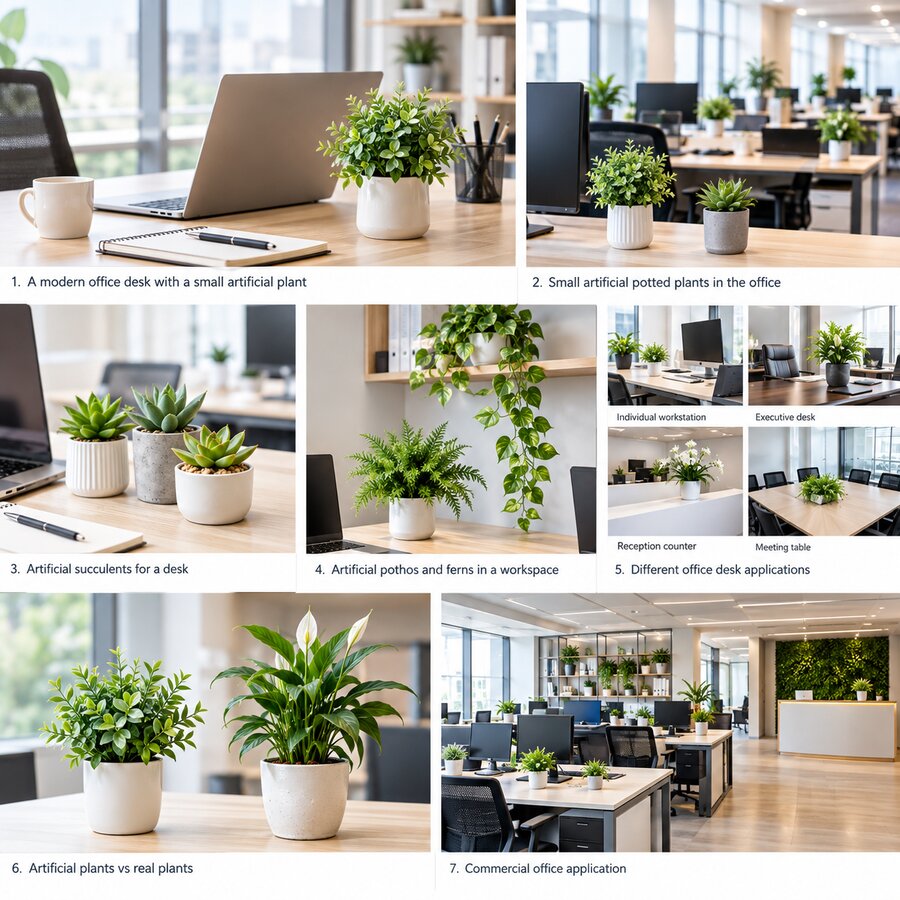
    If you’ve spent any time scrolling through Instagram or aesthetic vlogs on YouTube lately, you’ve likely encountered the mesmerizing world of modern Korean interior design. Characterized by its calm, bright, and deeply intentional spaces, this design movement—often referred to as K-style or Korean Cafe Aesthetic—has taken the global interior design world by storm.   At the heart of the Korean interior philosophy is a connection to nature. However, because urban apartments in cities like Seoul often feature limited space and unpredictable sunlight, incorporating high-quality artificial greenery has become the secret weapon for design lovers worldwide.   Here is your ultimate guide to mastering the Korean aesthetic and elevating your home using premium faux plants.                         The Core of Korean Interior Design: A Quick Primer   Before adding greenery, it’s essential to understand the canvas you are working with. Korean interior design relies heavily on:   A Neutral Palette: Warm whites, soft beiges, creams, and light wood tones.   Low-Profile Furniture: Keeping furniture close to the ground to maximize the feeling of high ceilings and open space.   Soft, Diffused Lighting: Relying on sheer curtains, pleated lampshades, and warm-toned bulbs.   Because the backdrop is so minimalist, artificial potted plants act as the ultimate visual accent, bringing life, texture, and organic contrast to an otherwise muted space.   1. The Power of the "Single Statement Stem"   Unlike Western design, which often favors massive, overflowing indoor jungles, Korean design embraces the concept of Yeobaek-ui mi (여백의 미)—the beauty of empty space.   How to apply it: Instead of a dense bush, choose a single, highly realistic faux branch with delicate leaves. Opting for a real-touch faux plant texture ensures that even a single stem looks incredibly convincing up close.   The Styling: Place one or two long stems into a clear glass vase or an asymmetrical ceramic pitcher. Set it on a low coffee table or a wooden sideboard. This minimalist fake tree concept creates an airy look that screams high-end Seoul cafe.   2. Corner Framing with Slender Faux Trees   Korean apartments prioritize flow and light. To keep a room feeling breezy, corners are rarely cluttered with heavy furniture. Instead, they are framed with slim, architectural artificial plants for living room decor to bridge the gap between structure and nature.   The Best Choices: A 170cm artificial dracaena tree or a 4ft realistic faux banana leaf plant with pot works flawlessly here. Their vertical growth patterns draw the eye upward, making it the ultimate small apartment corner fake tropical tree solution that adds dramatic height without taking up precious floor space.   The K-Style Twist: Avoid heavy, dark plastic pots. Instead, dress your faux tree base in a modern nordic style artificial traveler palm setup by placing it inside a woven seagrass basket, a cream-colored ceramic planter, or a textured terracotta pot.   3. The Mini "Desk Oasis" (Deskterior)   In South Korea, Deskterior (Desk + Interior) is a massive trend. Since many people spend long hours studying or working from home, transforming a desk into a stylish, stress-reducing oasis is a top priority.   How to apply it: Place a small, premium faux potted fern, a realistic faux string-of-pearls succulent, or a mini artificial monstera right next to your monitor or laptop setup.   Why Faux? Desks are often tucked away from windows where real plants would wither from lack of light. Incorporating a no maintenance indoor fake tree for office spaces or small desks gives you that instant dopamine hit of nature without messing up your electronics with stray dirt or water drops.   4. Floating Shelf Accents & Draping Vines   Korean design excels at utilizing vertical wall space with light wood floating shelves. These shelves are curated like mini-art galleries, usually holding a mix of scented candles, art books, and greenery.   How to apply it: Use a faux draping plant, like a trailing English Ivy or a faux Eucalyptus vine. Let the leaves casually spill over the edge of the shelf.   Design Tip: Allow the vine to drape irregularly. This asymmetry serves as a beautiful indoor faux corner plant accent that feels more organic, relaxing, and effortlessly chic.   Quick Guide: Keeping Faux Greenery "K-Style Approved"   Do This 💚 Avoid That ❌ Choose real-touch faux plants with matte finishes. Avoid shiny, cheap plastic fabrics. Stick to realistic big leaf artificial plant indoor styles with multi-tonal greens. Avoid neon or artificially bright greens. Use neutral containers (beige, wood, wicker). Avoid glossy, bright, or heavily patterned pots. Embrace negative space around your faux banana plant. Avoid overcrowding a single corner with too many plants.   The beauty of Korean interior design is that it doesn’t look like it’s trying too hard. When you know where to buy premium faux banana tree online, you can capture the tranquil, refreshing essence of nature while maintaining a clean, pet-safe environment with non toxic artificial plants safe for cats.   Are you ready to give your home a K-style makeover? Which of these tips are you going to try first—the minimalist statement stem or a stunning 4ft artificial traveler's banana tree? Let us know in the comments below!
  • Why Artificial Green Walls Outperform Real Plants
    Jun 08, 2026
    Wondering whether to choose artificial or real green walls? This full cost guide breaks down upfront fees, ongoing maintenance, lifespan and hidden expenses to prove artificial green walls deliver better long-term value for commercial & residential spaces.   Green walls have become a staple decor choice for offices, retail stores, hotels, residential buildings and outdoor landscapes. They bring natural vitality to any space, boost visual appeal and create a relaxing atmosphere. When planning a vertical green wall, the biggest decision every property owner and designer faces is: real plant walls or artificial green walls?   Many people assume living plant walls are the better pick simply for their natural look. However, when you calculate the total expenditure from installation to long-term use, artificial green walls stand out with remarkable cost advantages. In this comprehensive cost guide, we compare every expense item between the two options, and explain why artificial green walls are a more economical, practical and high-return investment for most scenarios.   1. Upfront Installation Cost Comparison The first expense you need to consider is the initial installation cost, which includes materials, structural setup and labor fees. Real Living Green Walls A living green wall is a complex horticultural system, not just plant decoration. To keep plants alive and healthy, you have to invest in a complete supporting system: Professional modular planting frames, soil or hydroponic substrates Automated irrigation, drainage and supplementary lighting systems Structural reinforcement to bear the weight of soil, water and plants Statistically, the upfront cost of real green walls ranges from $110 to $175 per square foot. For a 10 sq. ft. wall, the total initial investment can easily reach over $1,000. For large-scale commercial projects, the budget will rise sharply. Besides, installation requires professional landscape engineers and skilled gardeners, leading to higher labor costs and longer construction periods. Artificial Green Walls High-quality artificial green walls adopt lightweight modular panel design. They require no soil, water supply system or special light equipment. The installation process is simple and fast: just fix the panels on walls with standard brackets or adhesives. The overall upfront cost of premium artificial green walls is $50 to $75 per square foot, nearly half of real plant walls. Even for customized styles with rich foliage combinations, the total installation budget is far lower. Thanks to the plug-and-play modular structure, installation can be finished within days, cutting extra labor and time costs greatly. 2. Ongoing Maintenance: The Biggest Hidden Expense Upfront cost is only the start. Recurring maintenance fees are the largest long-term spending for green walls, and this is where artificial green walls create the most obvious cost gap. High Recurring Costs of Real Plant Walls Living plants need daily care to survive, which brings continuous monetary and labor costs all year round: Water & electricity bills: The irrigation and lighting system runs 24/7, increasing monthly utility expenses. Regular care labor: Workers need to water, trim dead leaves, remove weeds and check plant growth every week. Professional pest control and fertilization are also required monthly. Plant replacement: Plants wither, get sick or die due to temperature changes, poor light or diseases. You have to buy new seedlings and replace dead parts frequently. Over a 5-year period, the annual maintenance cost of real green walls averages $20 – $35 per square foot. For commercial spaces with large green walls, this adds up to a huge annual expenditure. If maintenance is neglected, the whole wall will turn yellow and wither in a short time, forcing you to pay for overall renovation. Near-Zero Maintenance for Artificial Green Walls Artificial green walls need no watering, no fertilizing, no pruning and no pest control. There is no risk of plant death or insect infestation at all. The only routine work is simple cleaning: just wipe dust with a microfiber cloth every 3 to 6 months, or rinse outdoor walls with clean water occasionally. The annual maintenance cost is only $8 – $12 per square foot, mainly for basic cleaning supplies. No professional gardeners are needed, saving massive labor costs year after year. 3. Lifespan & Long-Term Total Cost Service lifespan directly determines the total return on investment. A longer service life means lower average annual cost. Lifespan of Real Green Walls Even with careful daily maintenance, the average service life of a complete living green wall is only 2 to 4 years. Plants have natural growth cycles. After several years, the substrate ages, root systems decay, and the irrigation system ages and leaks. Eventually, you have to carry out overall overhaul and reconstruction, which equals a second large investment. Durable Lifespan of Artificial Green Walls Made with high-quality UV-resistant and anti-fade materials, premium artificial green walls have outstanding durability: Indoor use: Can keep vivid color and complete shape for 10 to 15 years Outdoor use: With anti-UV and weatherproof treatment, the lifespan reaches 6 to 10 years, resisting strong sunlight, rain and extreme temperatures. Calculated over a 10-year cycle: Real green walls need at least 2 full renovations, with accumulated total cost reaching 2 to 3 times the initial budget. Artificial green walls require almost no replacement or overhaul. One-time installation can serve for over a decade, and the long-term total cost is reduced by 50% to 75% compared with real plant walls. 4. Additional Hidden Costs You May Ignore Besides visible installation and maintenance fees, real green walls also bring many hidden expenses that are easy to overlook: Structural repair cost: Living walls are heavy. Long-term water seepage may cause wall dampness, mildew and even structural damage. You need to spend money on waterproofing and wall repair regularly. Risk loss: Dead plants, mold and pests will affect the environment of commercial spaces, damage brand image and cause potential customer loss. Seasonal adjustment cost: In cold winter or dry summer, you need to add heating, humidifying and heat insulation equipment to protect plants, bringing extra equipment and electricity costs. Artificial green walls avoid all these hidden troubles. They are lightweight, waterproof and mildew-proof, with no water seepage risk. They stay lush and vibrant in all seasons, no matter hot summer or cold winter, with no extra seasonal adjustment cost. 5. Suitable Scenarios: Who Should Choose Artificial Green Walls? Based on cost and practicality, artificial green walls are the optimal choice for the following spaces: Commercial spaces: Offices, shopping malls, restaurants, hotels, exhibition halls and retail stores that pursue low maintenance and stable decorative effects. Outdoor landscapes: Building exteriors, courtyard walls, road fences and scenic areas exposed to strong sunlight, wind and rain. Low-light & special environments: Basements, corridors and indoor areas with insufficient natural light where real plants cannot survive. Short-term & temporary projects: Event venues, temporary booths and pop-up stores, thanks to easy installation and removal. Residential users: Home owners who love green decoration but have no time for plant care. Living green walls are only recommended for professional ecological parks, high-end botanical landscapes or spaces with dedicated full-time gardeners and sufficient long-term maintenance budget.   When evaluating green wall solutions, do not only focus on the one-time upfront cost. You need to calculate the total cost over the whole service cycle. Real plant walls look natural, but they come with high installation fees, continuous maintenance costs, short lifespan and various hidden risks. In contrast, artificial green walls feature lower overall expenditure, near-zero daily care, long service life and strong environmental adaptability. They maintain a perfect lush look all year round and create stable value for your space. If you are looking for a cost-effective, time-saving and worry-free vertical green decoration solution, artificial green walls are undoubtedly the smarter investment choice.
  • Where to Install Artificial Plant Walls in High-Rise Buildings
    Jun 05, 2026
    High-rise buildings—whether they host luxury residential apartments, premium corporate offices, or boutique hotels—often face a common architectural challenge: a lack of natural connection to the outdoors. As urban spaces reach higher into the skyline, bringing the calming, restorative elements of nature indoors becomes a necessity rather than a luxury.   While living vertical gardens are beautiful, the complex irrigation systems, risk of water damage, weight restrictions, and lack of consistent sunlight in high-rises make them highly impractical.   Enter premium artificial plant walls. They offer the exact same biophilic design benefits—boosting mood, productivity, and aesthetic value—with zero maintenance, zero water, and zero weight-bearing concerns.   If you are looking to elevate your high-rise property, here are the absolute best strategic locations to install artificial greenery walls.     1. Grand Lobbies and Reception Areas   The Ultimate First Impression   The lobby is the handshake of your building. It sets the tone for the entire experience, whether someone is arriving for a high-stakes business meeting or returning home to their penthouse.   High-rise lobbies often feature soaring ceilings and minimalist concrete, glass, or marble surfaces. While stunning, these materials can sometimes feel sterile or imposing. A double-height artificial plant wall introduces an instant "wow factor." It softens the hard architectural lines, injects vibrant color, and creates a welcoming, premium atmosphere the moment the elevator doors open.   Design Tip: Use a mix of dense foliage like faux ferns, eucalyptus, and subtle ivy to create a rich, layered texture that looks completely organic even under bright architectural spotlights.   2. Elevator Banks and Lift Lobbies   Transforming Transitional Dead Space   Waiting for an elevator is one of the few moments in a high-rise where occupants are completely idle. These transitional zones are notorious for being narrow, windowless, and utilitarian.   Installing a striking vertical green wall in the lift lobby transforms a mundane waiting area into an engaging visual experience. Because these spaces completely lack natural sunlight, living plants would perish within weeks. High-quality faux foliage thrives here permanently, requiring nothing more than an occasional dusting to look pristine.   3. Sky Logistics: Atriums and Amenity Floors   Creating an Urban Oasis in the Clouds   Modern high-rises frequently dedicate mid-level or top-tier floors to community amenities—think sky lounges, co-working spaces, fitness centers, and indoor pool decks.   Integrating artificial plant walls into these wellness-focused spaces reinforces the feeling of an "urban oasis."   In Co-working Lounges: Greenery acts as a visual anchor that reduces cognitive fatigue and sparks creativity.   In Sky Lounges: A faux green wall provides a stunning, photo-worthy backdrop for evening cocktails, contrasting beautifully with the glittering city grid visible through the floor-to-ceiling windows.   4. Executive Boardrooms and Zoom Backdrops   The New Standard for Corporate Branding   In corporate high-rises, the boardroom needs to project innovation, sustainability, and forward-thinking design. Furthermore, in the era of hybrid work, having a professional, visually clean background for video conferences is crucial.   An artificial plant wall installed behind the main seating area or as a feature wall in a conference room does double duty:        1. Acoustic Benefits: While they don’t replace dedicated acoustic panels, the dense, varied leaves of a high-quality faux wall help diffuse sound waves, subtly reducing echo in glass-heavy boardrooms.        2. Branding: It offers a pristine, vibrant backdrop for video calls that looks sharp, professional, and sophisticated.   5. Covered Balconies and Rooftop Terraces   Seamless Indoor-Outdoor Flow   High-rise balconies and rooftops are subject to extreme environmental elements: scorching afternoon sun, intense wind gusts, and rapid temperature fluctuations. Maintaining real plants in these microclimates is a never-ending, expensive battle.   UV-engineered artificial plant walls are the perfect solution for covered terraces and rooftop bars. They create a lush, private garden feel without the risk of wind-damaged leaves or sun-bleached brown spots.   Important Note: When installing outdoors or near high-altitude windows, ensure your artificial green walls are explicitly rated for UV stability (3–5 year lifespan) to prevent fading, and use commercial-grade fasteners to secure them against high wind loads.   Summary Matrix: High-Rise Placement at a Glance   Location Core Benefit Light Requirement Recommended Style Grand Lobby High visual impact & premium branding None Dramatic, multi-textured tropical foliage Elevator Banks Brightens dark, windowless transit zones None Uniform, clean boxwood or elegant ivy matrix Sky Lounges Enhances wellness & photo-worthy aesthetics None Lush, wild forest styles with integrated neon signage Boardrooms Sound diffusion & premium video backdrops None Sleek, low-profile moss or delicate fern blend Rooftop Terraces Weather-resistant privacy & wind-blocking Requires UV-Protection Dense, heavy-duty UV-rated outdoor foliage   Elevate Your Skyline Views with Biophilic Design   The future of high-rise architecture belongs to spaces that prioritize human well-being. By strategically placing artificial plant walls in high-traffic, low-light, or weather-challenged areas of your building, you effortlessly bridge the gap between concrete and nature. Ready to transform your vertical space? Opt for premium, fire-retardant, and UV-stable foliage solutions to ensure your urban oasis remains breathtaking for years to come.
  • Inside the Artificial Plant & Tree Industry: Key Product Categories Explained 🌿
    Jun 03, 2026
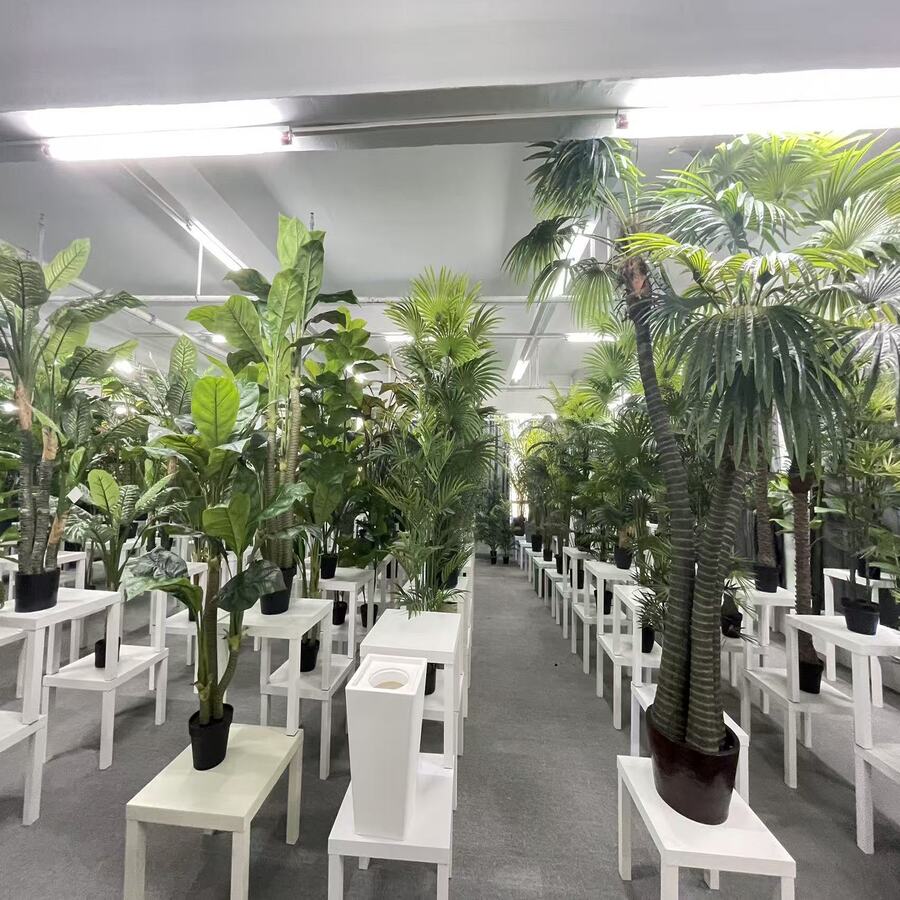
    The global Artificial Plant Industry has grown rapidly in recent years, driven by demand for Artificial Plants, Artificial Trees, and Artificial Greenery across commercial, hospitality, and residential design projects. Today, designers and buyers increasingly prefer Artificial Indoor Plants and Faux Plants as a cost-effective and maintenance-free solution for modern spaces.   Tropical & Statement Trees 🌴   Tropical designs remain a leading trend in Commercial Artificial Trees and large-scale interior landscaping.   Artificial Palm Tree 🌴 is widely used as Artificial Plants for Hotels and resorts, creating a luxury tropical atmosphere. Artificial Banana Tree 🌴 is popular for bold interior styling in Large Artificial Trees for Lobby projects. Artificial Traveller Plant 🌴 and Artificial Bird of Paradise Plant 🌴 are often selected for high-end Commercial Interior Plants applications. Artificial Palm Tree  Artificial Banana Tree   Artificial Traveller Plant     Desert & Succulent Series 🌵   These sculptural plants are widely used in modern architectural spaces and Indoor Artificial Landscaping.   Artificial Agave Plant 🌵 and Artificial Aloe Plant 🌵 are key products in minimalist Artificial Plants for Office Decoration.   These categories are often chosen for Realistic Artificial Plants for Office Decoration due to their clean structure and modern aesthetic. Artificial Agave Plant   Artificial Aloe Plant     Bamboo & Asian-Inspired Plants 🎍   Artificial Bamboo Plant 🎍 is one of the most popular Maintenance-Free Greenery solutions for spas, restaurants, and Zen-style interiors. Artificial Bamboo Plant        Flowering & Decorative Plants 🌸   Artificial Flowering Plants 🌸 are widely used in hospitality design to add seasonal color and visual interest in Artificial Plants for Shopping Malls and retail spaces. Artificial Bougainvillea Tree Artificial Orchid Tree artificial cherry tree   Evergreen & Structural Trees 🌳   These are core categories in Artificial Trees for Interior Design Projects and large commercial installations.   Artificial Ficus Tree 🌳 is one of the most widely used Commercial Artificial Trees in offices and hotels. Artificial Olive Tree 🌳 is highly popular in luxury Artificial Mediterranean Tree styling and upscale interior design. Artificial Cypress Tree 🌳 and Artificial Pine Tree 🌳 are commonly used in both indoor and outdoor Artificial Greenery projects. artificial ficus tree artificial olive tree   artificial Cypress tree     Foliage & Texture Plants 🍃   These plants are essential in layered interior compositions for Artificial Plants for Hotels and commercial spaces. Artificial Fern Plants 🍃 are widely used for background greenery in Commercial Interior Plants layouts. Artificial Monstera Plant 🍃 is one of the most recognizable Artificial Indoor Plants in modern interior design. Artificial Dracaena Plant 🍃 is commonly used in office environments as part of Artificial Plants for Office Decoration. Artificial Calathea Plant 🍃 adds decorative texture to premium interiors. Artificial Pothos Plant 🍃 is often used in hanging arrangements for flexible interior styling. Artificial Fern Plants   Artificial Monstera Plant   Artificial Dracaena Plant    Artificial Calathea Plant    Artificial Pothos Plant        Exotic & Specialty Plants 🌿   Artificial Cycas Plant 🌿 is widely used in luxury landscaping and Commercial Artificial Trees projects. Artificial ZZ Plant (Zamiifolia) 🌿 is highly popular for low-light environments and Realistic Artificial Indoor Plants applications. Artificial Cycas Plant    Artificial ZZ Plant (Zamiifolia)      Fruits & Natural Accent Plants 🍎   Artificial Fruit Trees 🍎 are commonly used in retail displays, themed environments, and Wholesale Artificial Plants supply projects. artificial orange tree artificial lemon tree   artificial mango tree   Industry Overview 🌍   The Artificial Plant Manufacturer and Artificial Tree Supplier market continues to expand globally, with increasing demand for Wholesale Artificial Plants, Artificial Plants Exporter, and Bulk Artificial Plants solutions.   Today’s buyers are not only looking for decoration, but also for Artificial Plants for Hotels, Commercial Artificial Greenery Solutions, and scalable Artificial Plants for Shopping Malls and office developments. These products play a key role in modern Commercial Landscaping Plants Supplier projects and interior architecture.   The artificial plant sector is highly diverse, covering everything from Artificial Palm Tree 🌴 and Artificial Ficus Tree 🌳 to Artificial Monstera Plant 🍃 and Artificial Olive Tree 🌳. Understanding these categories helps buyers select the right Artificial Indoor Plants, optimize sourcing from an Artificial Plant Manufacturer, and build effective design solutions for Commercial Interior Plants and hospitality environments.   As global demand continues to grow, Artificial Trees for Interior Design Projects 🌿 and Maintenance-Free Greenery 🌿 will remain essential in shaping modern commercial and residential spaces worldwide.
  • Enhancing Your Holiday Let With High Quality Artificial Plants
    Jun 02, 2026
    Enhancing Your Holiday Let with Luxurious Artificial Plants Creating an inviting atmosphere in your holiday let is key to attracting more guests and securing those all-important positive reviews. One simple yet effective way to enhance your space is by adding luxurious artificial plants. They offer the beauty of real plants without the maintenance, and they can instantly make a space feel more welcoming and homely. Here's how you can use artificial plants to give your holiday property that extra touch of charm.   Why Choose Artificial Plants for Your Holiday Let?Let's face it, real plants can be a bit of a hassle, especially when you’re not around to take care of them regularly. Watering, sunlight, and the right temperature all play a part in keeping them alive, and the last thing you want is a wilting plant greeting your guests. Artificial plants solve this problem. They look fantastic all year round, require no upkeep, and are perfect for any space, regardless of light conditions. Plus, high-quality artificial plants can look so realistic that your guests won't even notice the difference.Tips for Using Artificial Plants in Your Holiday Let1. Choose the Right Style for Your SpaceThe key to using artificial plants effectively is to match them with the style of your property. If your holiday let has a modern, minimalist vibe, go for sleek, contemporary plants like fiddle tree or snake plants. For a more traditional or rustic property, consider classic choices like ferns, ivy, or olive trees. The goal is to enhance the existing decor without clashing with it.           2. Focus on Key Areas Strategic placement is everything. Think about the areas in your holiday let where guests spend the most time or where they’ll get their first impression. A well-placed plant in the entrance hall can create an immediate sense of warmth. Adding greenery to the living area, whether it’s a large floor plant in the corner or smaller potted plants on a coffee table, can make the space feel more lived-in and cosy.   3. Mix Sizes and HeightsVariety is the spice of life, and that applies to artificial plants as well. Mixing plants of different sizes and heights can add visual interest and make the space feel more natural. Use taller plants to fill empty corners or frame a piece of furniture, and place smaller plants on shelves, side tables, or window sills. This layering effect can give your holiday let a more curated, designer feel.4. Use Quality PlantersThe planter you choose can make a big difference in how your artificial plant looks. For a luxurious feel, opt for high-quality planters that complement the style of your property. Think about using materials like ceramic, terracotta, or metal, and consider the colour scheme of your space. Neutral tones like white, grey, or black are versatile and can suit most decors, while more vibrant planters can add a pop of colour to a neutral room.   5. Don't Forget Outdoor SpacesIf your holiday let has outdoor areas like a patio, balcony, or garden, artificial plants can work wonders here too. Use them to create a lush, inviting outdoor space without the need for constant watering or worrying about the weather. Artificial boxwood topiaries , hanging basket flowers or potted olive trees can add a touch of greenery that looks great in photos and appeals to guests looking for a relaxing spot to unwind.         6. Create a ThemeIf you want to go the extra mile, consider creating a theme with your artificial plants. For example, a Mediterranean-inspired holiday let could feature faux olive trees, lavender, and rosemary. A tropical-themed property could include artificial palms, orchids, and banana plants. A cohesive theme can make your space more memorable and appealing to guests.7. Easy Cleaning and MaintenanceOne of the main advantages of artificial plants is the lack of maintenance, but they can still gather dust over time. Make sure to give them a quick clean between guest stays. A simple dusting or a wipe with a damp cloth will keep them looking their best. This small bit of upkeep ensures that your plants continue to look realistic and attractive.
1 2

leave a message

leave a message
If you are interested in our products and want to know more details,please leave a message here,we will reply you as soon as we can.

Home

Products

WhatsApp

contact