other

High Quality Artificial Plants

  • How to Choose Artificial Plants That Look Real
    Sep 09, 2026
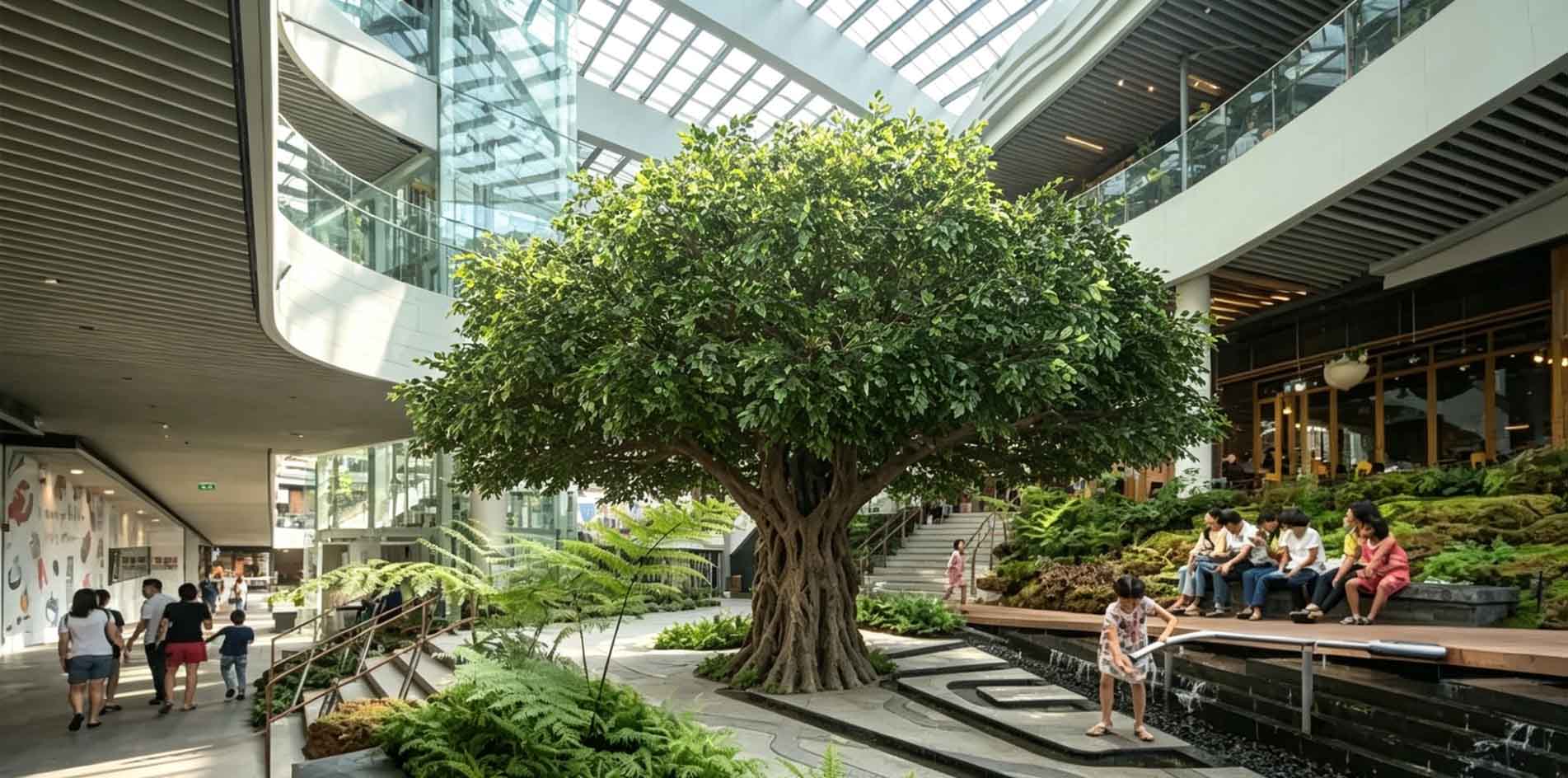
    Artificial plants have come a long way from the shiny plastic leaves and overly bright colors of the past. Today, high-quality artificial plants can closely reproduce the texture, color variation, structure, and natural imperfections of real plants. However, not every artificial plant looks realistic. Two products may look similar in online photos but feel completely different when placed in a real interior. The key is knowing what to look for before making a purchase. From leaf materials and branch structures to UV protection and size selection, several details can determine .     1. Start With the Material: The Leaf Is Where Realism Begins The first thing to examine is the material of the leaves. Low-cost artificial plants often use ordinary plastic with a smooth, rigid surface. This can make the leaves look too shiny, flat, or uniform. Higher-quality materials can create a much more natural appearance. PE leaves can offer good flexibility and durability, while silk or premium fabric leaves can provide a softer visual effect. Silicone leaves are particularly useful when a realistic texture and detailed surface are important. Color also matters. Real leaves rarely have exactly the same shade from one leaf to another. Slight variations in green tones, veins, edges, and surface texture can make an artificial plant look much more natural.                 2. Look at the Branch Structure, Not Just the Leaves A realistic leaf cannot fully compensate for an unnatural branch structure. If all branches point in the same direction or appear perfectly symmetrical, the plant may look artificial even when the leaves are well made. A good artificial plant should have a convincing internal framework. Flexible branches allow users to adjust the shape after unpacking, while a stronger supporting structure helps taller plants maintain their overall form. For larger artificial trees, the trunk and branch connections deserve special attention. A well-designed structure creates natural spacing between branches and gives the plant a fuller, more three-dimensional appearance.                           3. Material Comparison: Which Artificial Plant Material Looks Best? Different materials create different visual effects. There is no single material that is perfect for every application, so the best choice depends on where the plant will be used, how realistic it needs to look, and your budget. Material Realism Suitable Scenes Expected Durability PE ★★★★☆ Homes, offices, hotels, retail spaces Good Silk / Premium Fabric ★★★★☆ Interiors, events, decorative displays Medium–Good Silicone ★★★★★ Premium interiors, showrooms, high-end decoration Good UV-Resistant Coating ★★★★☆ Outdoor areas, balconies, entrances High Ordinary Plastic ★★★☆☆ Budget decoration, temporary displays Medium   The table is only a general guide because the final appearance depends on the manufacturing process as well as the material itself. A carefully manufactured PE plant can look more convincing than a poorly made product using a more expensive material.     4. Indoor or Outdoor? Check UV Protection Carefully One of the most common mistakes is using an indoor artificial plant outdoors. Sunlight, temperature changes, humidity, and weather exposure can gradually affect artificial leaves. Without proper UV protection, colors may fade and materials may become less attractive over time. If the plant will be placed on a balcony, patio, entrance, garden area, or other exposed location, look specifically for UV-resistant materials or UV-protective coatings. For indoor applications, UV resistance is usually less important, allowing you to focus more on leaf texture, color, branch structure, and overall appearance.                     5. Choose the Right Size for Your Space Even a beautifully made artificial plant can look cheap if the size does not match the space. A small plant may disappear in a large living room, hotel lobby, or commercial area, while an oversized tree can make a small room feel crowded. Before purchasing, consider the height of the ceiling, the available floor area, furniture proportions, and the visual purpose of the plant. For example:     Small plants: Great for desks, shelves, countertops, and bedside tables.     Medium plants: Suitable for living rooms, offices, reception areas, and corners.     Tall trees: Ideal for hotel lobbies, commercial spaces, large living rooms, and entrance areas.         6. Don't Ignore Odor and Environmental Testing Appearance is important, but it should not be the only consideration. When buying artificial plants for homes, hotels, offices, or commercial projects, it is worth paying attention to the materials used and whether the supplier can provide relevant testing or compliance documentation. A strong chemical odor immediately after opening the package may indicate that the materials or printing processes need closer attention. Reliable suppliers should be able to provide information about material specifications and applicable safety or environmental standards when required.       7. A Quick Checklist Before Buying Before placing an order, ask yourself these questions: ① Does the leaf material look natural?Check the surface texture, flexibility, color variation, and visible leaf veins. ② Does the branch structure look realistic?Look for natural spacing, irregular angles, and a stable internal framework. ③ Is it designed for indoor or outdoor use?Outdoor products should have suitable UV-resistant treatment. ④ Is the size right for the space?Compare the plant height and width with the room, furniture, and available area. ⑤ Can the supplier provide material information?For commercial projects, ask about material specifications and relevant testing documents when necessary. ⑥ Does the price make sense for the quality?Extremely low prices can sometimes mean compromises in materials, construction, or finishing.     Conclusion Choosing a high-quality artificial plant is not simply about finding the most expensive option. The real difference is often hidden in the details: the feel of the leaves, the variation in color, the strength of the branch structure, the quality of the finishing process, and whether the product is designed for the environment where it will be used. For a better buying decision, prioritize material and craftsmanship, check the supporting structure, distinguish indoor from outdoor products, and choose the size according to your space. Most importantly, don't judge an artificial plant by price alone. A well-designed and well-made product can create a natural, sophisticated look without the maintenance required by real plants.
  • High Quality Artificial Plants - What You Need To Know
    Jul 21, 2026
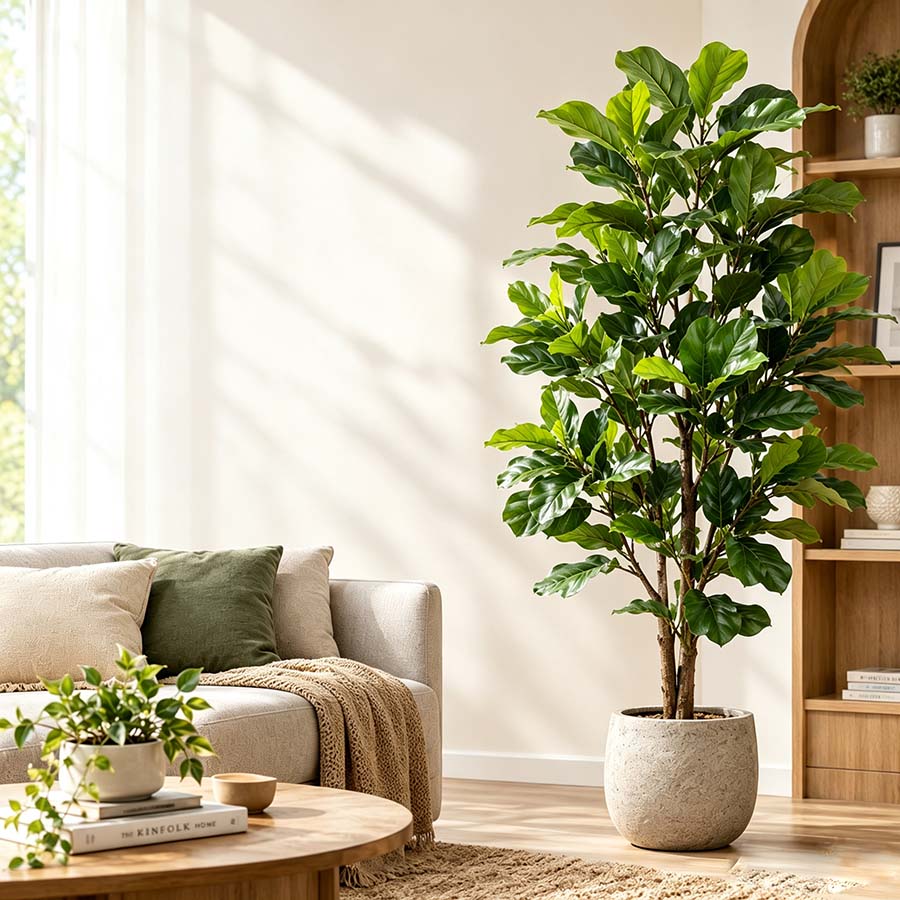
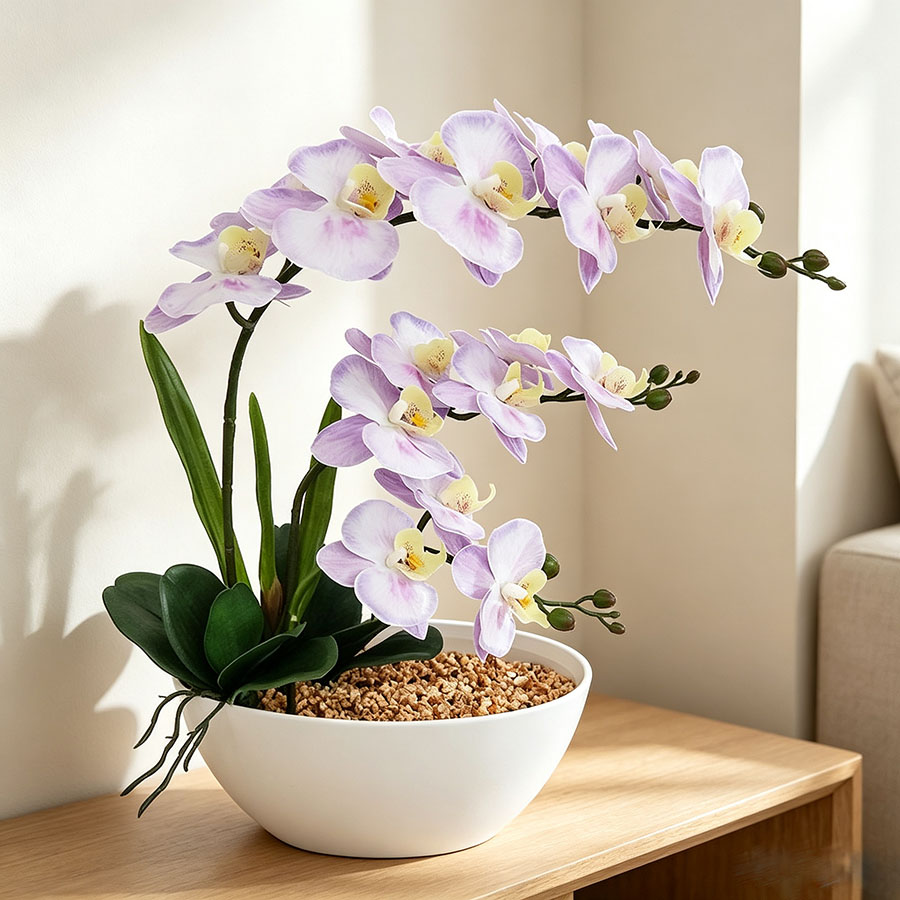
    The Truth About Artificial Plants: High Quality vs Tacky Replicas Artificial plants have undergone a remarkable transformation in recent years. Long gone are the days when fake greenery stuck out like a sore thumb—banished to forgotten waiting room corners or left collecting dust on bathroom vanities. Today’s top-tier artificial plants boast lifelike aesthetics that rival living botanicals, often even outshining them. Our brand has been privileged to supply premium artificial plants and trees for exquisite residential and commercial projects alike. Still, not all faux foliage is crafted to the same standard. A stark divide separates high-end realistic greenery from shoddy, gaudy knockoffs that tarnish the reputation of artificial plants as a whole. Before breaking down the key distinctions between premium and low-grade artificial plants, let’s first explore the core motivations driving our clients to opt for faux greenery in the first place.Where Should You Use Artificial Planting? The short answer is wherever you like…but a little thought goes a long way. There’s usually an artificial plant to suit most settings, we’ve supplied them to both commercial and residential clients over the years and we’ve gained some insights into why artificial planting has been chosen over the real thing. When it comes to residential we find it’s due to a low maintenance requirement, or that the real thing wouldn’t survive in the chosen setting, and many times it’s a stress free investment. For commercial and hospitality it’s simply the best choice in certain areas due to access or concerns over maintenance, the need to always look appealing and welcoming or quite simply lack of natural light. High quality artificial orchids for example are a great alternative to the real thing, they look and feel in most cases hyper realistic and yet you don’t have to worry about the flowers loosing petals, the leaves drooping and turning brown and you don’t need to be concerned about hay fever.            A beautiful real touch artificial orchid as a centre piece to a table or entrance side board or even a reception area can make a huge difference to a space, they’re available in every size from pelite to extra grand and many come pre potted in beautiful pots . Artificial olive trees are a great example too, many clients want to have a beautiful olive tree in their home or business, it reminds us of lazy days and evenings in exotic European destinations that seem miles away from the stresses of daily life. They also vary wildly when it comes to quality and shape. A high quality artificial olive tree in a unique pot placed in a dining room, kitchen, entrance or even a restaurant can transport us back to an incredible holiday and the muted greens and greys coupled with an interesting trunk and canopy can lift a space in a home or restaurant.           Let’s talk about what sets them apart, and what to look for when choosing a high quality artificial plant or tree.Appearance: Realistic vs. PlasticThe most obvious difference between high-quality and low-quality artificial plants is how they look. Quality artificial plants are crafted to closely mimic real plants. They have realistic textures, colours, and even details like the subtle imperfections found in nature. High-quality ones use a blend of materials, often incorporating silk or premium-grade materials to create a natural appearance. Some even include natural elements like real wood stems and real touch leaves and flowers to enhance their authenticity.     Our fiddle leaf trees and plants are a great example of high quality leaf and stem detailOn the other hand, cheap artificial plants usually look, well, cheap. They tend to have an unnatural, shiny plastic finish and overly bright colours that scream "fake" from across the room. The leaves and flowers often have visible seams or glue marks, and the overall shape can be stiff or awkward. These are the plants that give you flashbacks to outdated décor in your grandparents' house.Durability: Longevity vs. Short-LivedQuality artificial plants are an investment. They are built to last and can maintain their appearance for years with minimal maintenance.  You can place them anywhere without worrying about wilting or shedding leaves, which is a common issue with real plants. In stark contrast, low-grade artificial plants deteriorate rapidly. Their raw materials break down, hues wash out and fade unevenly, leaving you with dry, fragile foliage .They may only last one or two seasons with minimal use. After just a short while, these shoddy replicas wind up discarded in trash bins, a waste both for buyers and the planet. Detailing: Intricacy vs. Basic DesignA major telltale sign of a high-quality artificial plant is in the detailing. Quality plants pay attention to the small things—like the veining on the leaves, the variation in colour across the petals, and the way the plant is shaped. The leaves aren't all the same size or shade, and there’s an effort to capture the nuances that make real plants so captivating.   Price: Worth the Investment vs. Throwaway CashThere’s no getting around it—high-quality artificial plants can be pricey. But like most things in life, you get what you pay for. Investing in a well-made artificial plant means you’re getting something that looks fantastic and lasts for years. It’s a one-time purchase that, if taken care of, will continue to look beautiful in your space without the upkeep of a real plant.Cheap artificial plants are usually tempting because of their low price. They’re a quick fix or they tick a box, but they’re not a long-term solution. In the end, you might find yourself replacing them, which can add up both in cost and effort, or just generally being disappointed with the result and overall look. Maintenance: Minimal Effort vs. High HassleOne of the main reasons our clients choose artificial plants is the low maintenance and the ability to use certain plants in areas where real plants wouldn’t survive. With high-quality ones, the most you’ll need to do is give them an occasional dusting. They don’t require water, sunlight, or the perfect soil mixture. They won’t attract pests, and they’ll never outgrow their pot.However, low-quality artificial plants can be a bit of a pain. They might start looking shabby quite quickly, and cleaning them can be a challenge if they aren’t durable Plus, if they start falling apart, there's not much you can do to fix them.When it comes to artificial plants, quality makes a world of difference. High-quality artificial plants are a fantastic option for those who want the beauty of greenery without the upkeep. They’re realistic, durable, and worth the investment if you want something that will truly enhance your space. On the flip side, the cheap, tacky versions might be easy on the wallet, but they won’t do you any favours in the long run.   This is why we at  specialise in high quality artificial plants. We feel privileged to supply high quality artificial plants and trees to clients who know the difference and we always do it with a personal service.  Take a look at our curated artificial plant collection and drop us a message today. Our team is ready to source perfectly matched foliage for any domestic or commercial setting.      

leave a message

leave a message
If you are interested in our products and want to know more details,please leave a message here,we will reply you as soon as we can.

Home

Products

WhatsApp

contact