September 08, 2026
What Information Do You Need to Provide for Custom Artificial Plants?
Custom artificial plants are a practical solution for hotels, restaurants, retail stores, offices, and commercial projects that require a specific size, shape, or style. To help a manufacturer develop the right product, buyers should provide as much project information as possible.
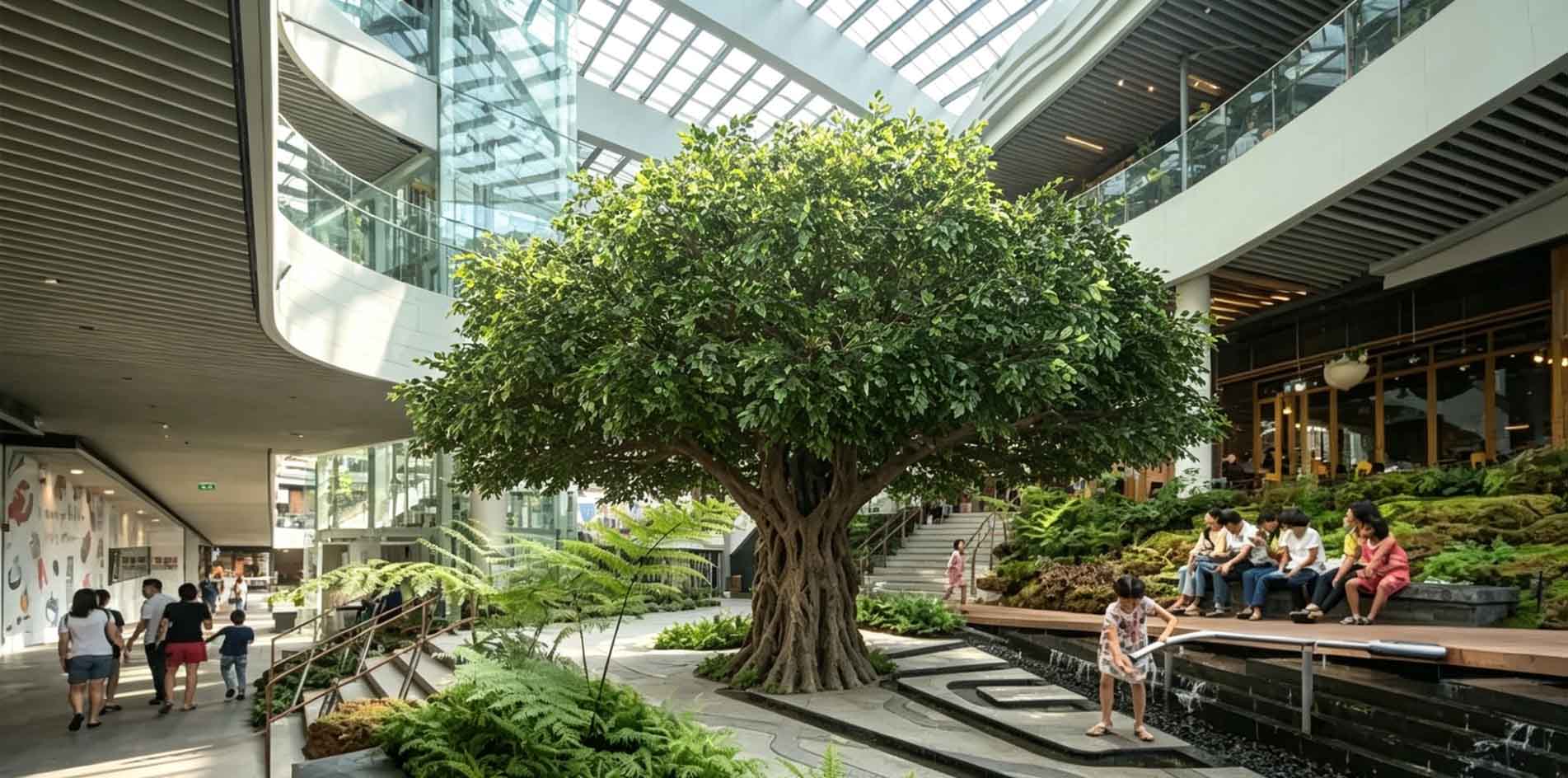
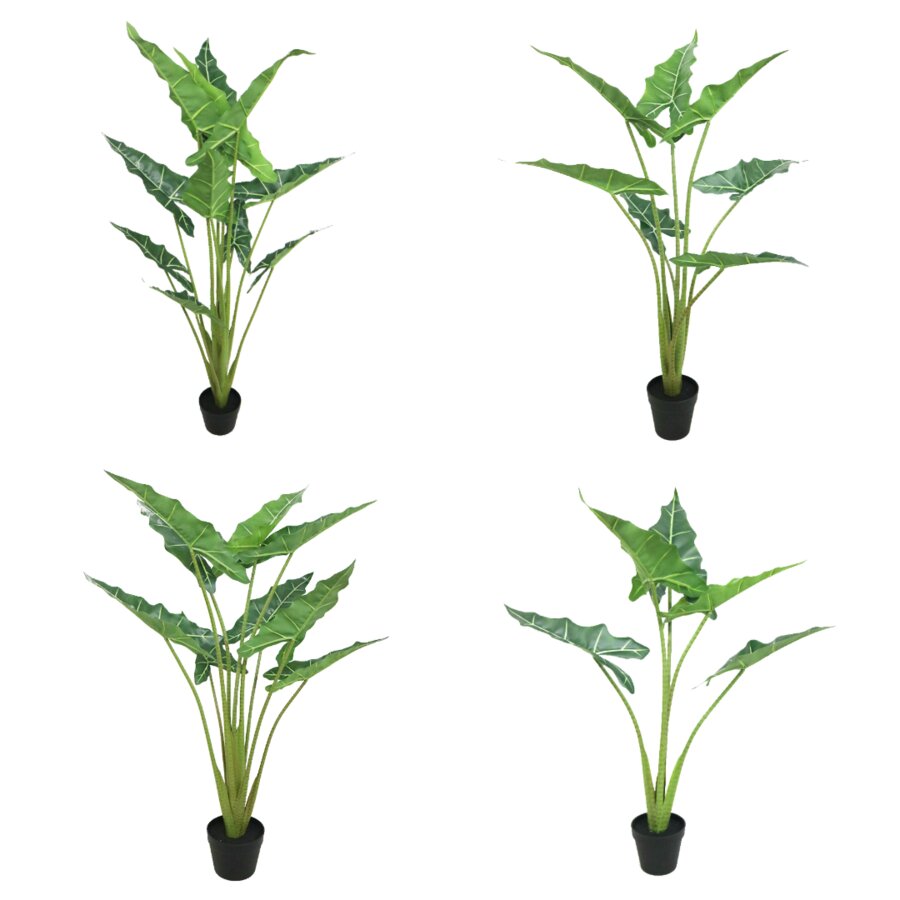
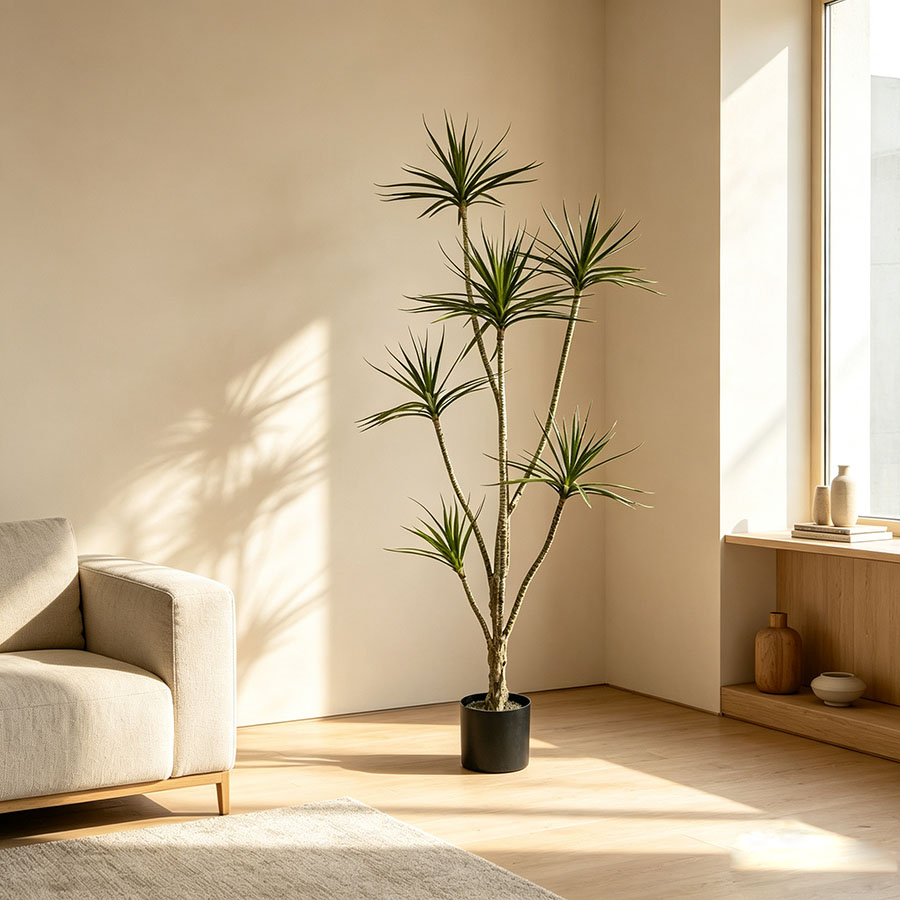
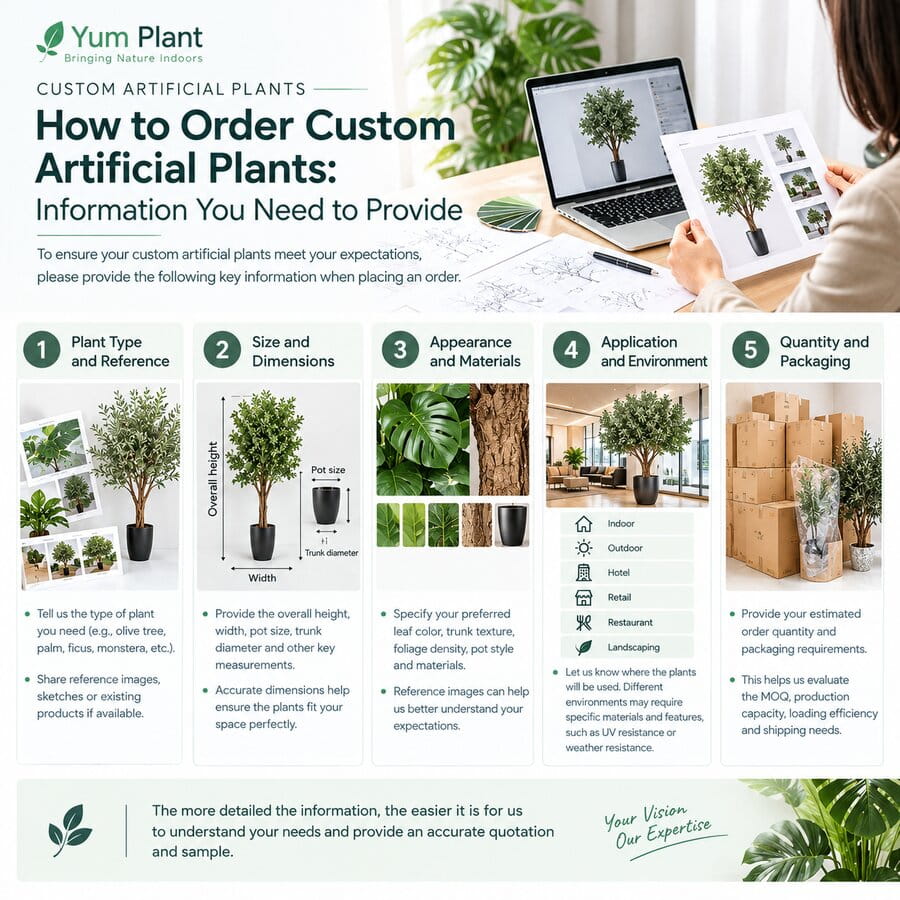
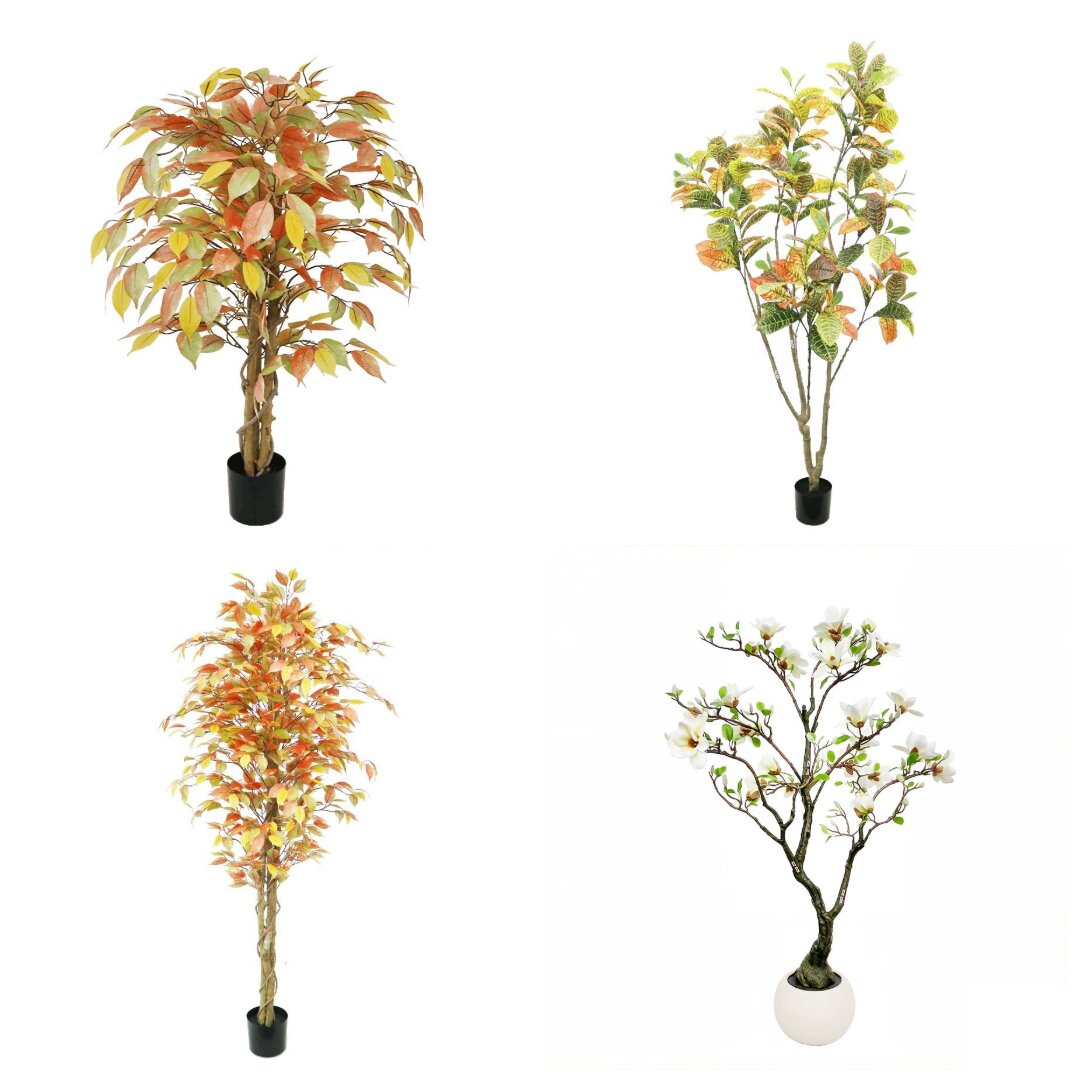
1. Plant Type and ReferenceTell the supplier what plant you need, such as an olive tree, palm, ficus, monstera, or other species. Reference photos, sketches, or existing products are especially helpful.
2. Size and DimensionsProvide the required overall height, width, pot size, trunk diameter, or other key measurements. For large projects, accurate dimensions help ensure the plants fit the intended space.
3. Appearance and MaterialsSpecify your preferred leaf color, trunk texture, foliage density, pot style, and materials. If you need a realistic appearance, sharing reference images can make the requirements clearer.
4. Application and EnvironmentExplain where the artificial plant will be used. Indoor, outdoor, hotel, retail, restaurant, or landscaping applications may require different materials and features, such as UV resistance or weather resistance.
5. Quantity and PackagingProvide the estimated order quantity and packaging requirements. This allows the manufacturer to evaluate MOQ, production capacity, loading efficiency, and shipping requirements.
The more detailed the information, the easier it is for the supplier to understand your expectations and develop an accurate quotation and sample. For complex projects, drawings, photos, dimensions, and reference products can significantly speed up the customization process.