other

Blogs

  • How Artificial Plants Transform Modern Interior Spaces
    Aug 20, 2026
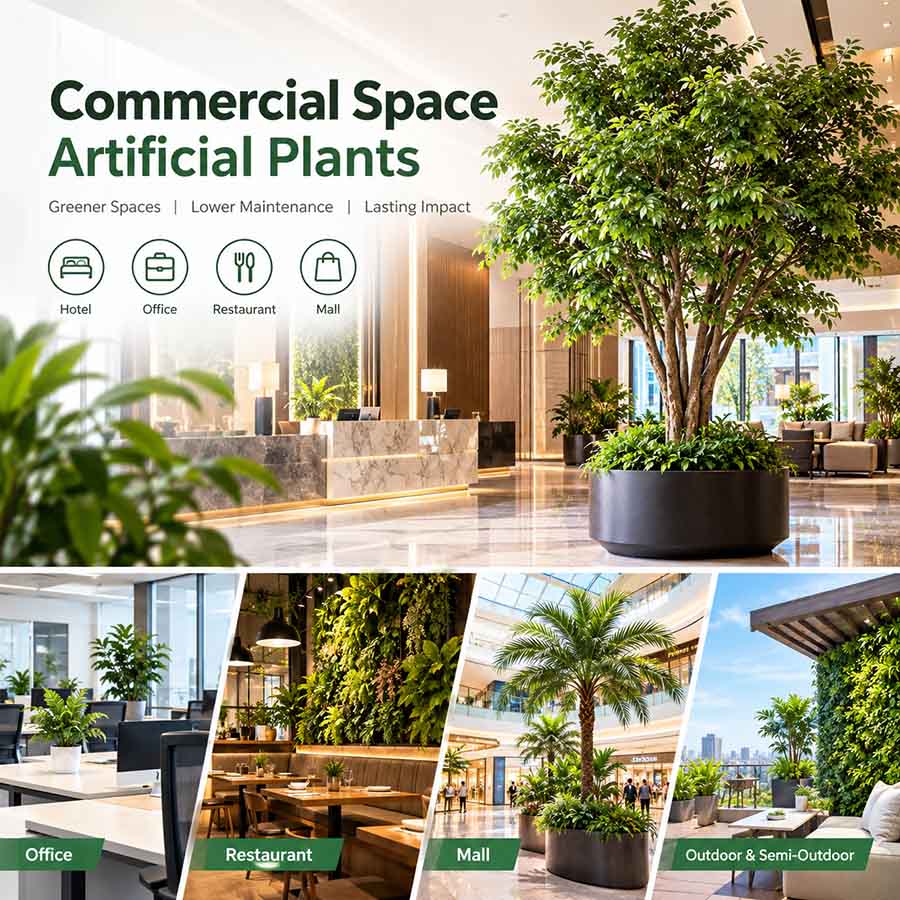
    Interior design is no longer only about choosing beautiful furniture and colors. Greenery has become an important element in creating comfortable, welcoming, and visually balanced spaces. However, real plants are not always easy to maintain, especially in areas with limited natural light, busy commercial environments, or spaces where regular watering and pruning are inconvenient. Artificial plants offer a practical alternative. With realistic leaves, natural-looking colors, and a variety of shapes and sizes, modern artificial plants can bring the visual appeal of greenery indoors without the daily maintenance required by living plants.     1. Create a Natural and Welcoming Atmosphere One of the biggest advantages of greenery is its ability to make an interior feel more inviting. A strategically placed artificial tree, potted plant, or decorative flower branch can instantly soften a room and create a more relaxing atmosphere. Artificial plants can be used in living rooms, hotel lobbies, reception areas, restaurants, offices, and retail stores. Their versatility makes it easy to introduce greenery into different interior styles.           2. Add Greenery Without Daily Maintenance Real plants require suitable lighting, watering, pruning, fertilizing, and regular care. For busy households and commercial spaces, maintaining healthy plants can become time-consuming. Artificial plants eliminate most of these concerns. Once positioned properly, they can maintain their appearance for a long time with only occasional dusting. This makes them particularly suitable for high-traffic commercial environments.       3. Artificial Plants Work in Different Spaces Artificial greenery is highly adaptable and can be used in many different environments. For residential interiors, artificial plants can add warmth to bedrooms, living rooms, balconies, and entryways. In commercial spaces, they can enhance hotels, offices, restaurants, shopping areas, and showrooms. Different plant heights and styles also make it possible to create layered greenery, from small tabletop plants to tall artificial trees.                 4. A Flexible Choice for Interior Design Interior trends change constantly, but greenery remains a timeless design element. Artificial plants make it easier to experiment with different colors, shapes, and arrangements. A minimalist room can benefit from a simple green plant, while a luxury interior may work better with large statement trees or decorative floral arrangements. The right artificial plant can complement furniture, walls, lighting, and other decorative elements.       5. Choosing the Right Artificial Plant When choosing artificial plants, appearance is only one factor to consider. Buyers should also pay attention to size, material, color, structure, pot design, and the intended application. For small spaces, compact potted plants or flower branches can be a practical choice. For larger interiors, tall artificial trees can create a stronger visual focal point. For commercial projects, durability, packaging, customization options, and bulk supply capability can also be important considerations.       Why Choose Artificial Plants for Modern Interiors? Artificial plants combine decorative appeal with practical functionality. They can introduce greenery into spaces where living plants may be difficult to maintain, while offering greater flexibility in placement and design. For homeowners, retailers, interior designers, hotels, and other commercial buyers, artificial greenery can be an efficient way to create attractive interiors with less ongoing maintenance. As artificial plant manufacturing continues to improve, realistic textures, natural colors, and detailed designs are making artificial greenery an increasingly popular choice for modern interior decoration.   Artificial plants are more than simple decorations. They are a flexible design solution that can bring greenery, warmth, and visual interest to almost any interior environment. Whether you are decorating a home, refreshing a hotel lobby, or creating a welcoming commercial space, the right artificial greenery can make a noticeable difference.    
  • Artificial Plants for Fall: How to Create a Natural Autumn Look
    Aug 19, 2026
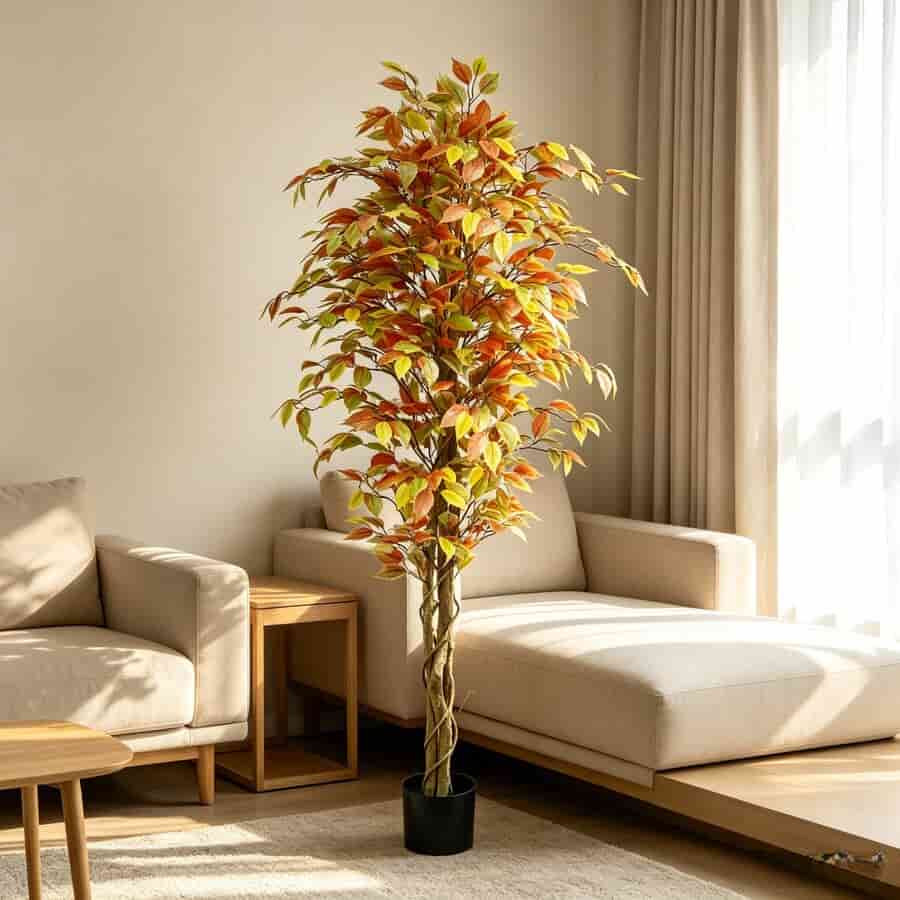
    Simple Ways to Refresh Your Space with Fall Artificial Plants As summer comes to an end, many interiors begin to shift from bright, fresh colors to warmer and more layered seasonal styles. You do not need to completely redecorate a room to create this change. A few carefully selected artificial plants for fall can introduce autumn colors, textures, and natural elements while keeping the existing greenery in place. Unlike seasonal fresh flowers or live plants, artificial plants can be rearranged, stored, and reused from year to year. This makes seasonal decorating more flexible, especially for homes, hotels, restaurants, retail stores, and other spaces that need regular visual updates.     Why Change Artificial Plants for Fall? Some common fall-inspired colors include: Warm green Golden yellow Burnt orange Rust Burgundy Brown Deep red The goal does not have to be a dramatic transformation. In many spaces, keeping some summer greenery while introducing a few autumn elements creates a more natural transition.   Start with Your Existing Artificial Plants Before adding new fall artificial plants, look at the plants you already have. Large artificial trees such as fiddle leaf figs, ficus trees, olive trees, and eucalyptus can often remain in place throughout the year. Their green foliage provides a neutral foundation that works with different seasonal decorations. Instead of replacing a large tree, consider changing the smaller elements around it.   Keep the Greenery Green artificial plants can continue to work well in fall. Plants with realistic leaves provide a natural background for seasonal colors. For example, an artificial olive tree can remain in a living room or hotel lobby while smaller fall branches, dried grasses, or warm-colored flowers are added nearby.   Add Seasonal Accents Small changes can make a larger visual difference than expected. Consider adding: Artificial maple leaves Faux autumn branches Artificial berries Dried-grass-style stems Warm-colored artificial flowers Seasonal wreaths Decorative planters This approach allows the same artificial plants to work across several seasons.     Choose Artificial Plants with Autumn Colors Color is one of the easiest ways to create a fall atmosphere. When selecting artificial plants for fall, look for foliage or flowers with natural variations rather than using one strong color throughout the room.   Artificial Maple and Autumn Trees Maple-inspired foliage is closely associated with autumn. Artificial maple trees and branches can become a visual focal point in an entryway, living room, reception area, or commercial display. For larger spaces, a tall artificial fall tree can add height and create a seasonal statement without requiring extensive decoration.   Artificial Branches and Stems Branches and stems are useful when a full artificial tree would be too large. They can be placed in: Glass vases Ceramic containers Decorative baskets Reception desks Dining tables Shelving units A combination of green foliage with orange, red, or golden stems can create a gradual transition from summer to fall.       Artificial Flowers Artificial chrysanthemums, dahlias, hydrangeas, and other warm-toned flowers can add seasonal color to smaller areas. A compact arrangement can work on a coffee table, countertop, reception desk, or dining table without changing the rest of the room.   How to Transition Room by Room Different spaces require different approaches. The best artificial plants for fall should match both the size of the room and the way the space is used.   Living Room The living room usually benefits from a combination of large greenery and smaller seasonal accents. Keep an existing artificial tree in the corner and add a warm-colored arrangement to a coffee table or sideboard. A textured basket or neutral ceramic planter can also help create a warmer autumn appearance.   Entryway The entryway is one of the easiest places to introduce seasonal décor. A tall artificial tree can provide height, while a small arrangement or autumn wreath can add color around the entrance. For larger entryways, two matching artificial trees can create a balanced appearance on either side of a doorway or console table.   Dining Room The dining table provides an opportunity to use smaller fall artificial plants. Instead of using a large centerpiece, consider a low arrangement of artificial foliage, autumn branches, or warm-colored flowers. This keeps the table practical while still introducing seasonal details.   Bedroom Fall decorating in a bedroom usually works best when the colors remain subtle. A small artificial eucalyptus plant, olive branch, or muted autumn arrangement can add seasonal texture without making the room feel overly decorated.   Commercial Spaces Hotels, restaurants, retail stores, offices, and event venues can also use artificial plants for fall to create seasonal displays. For commercial spaces, larger artificial trees can define an area, while smaller arrangements can be used on reception counters, dining tables, shelves, or display areas. Because artificial greenery does not require watering or regular pruning, it can also be easier to maintain during a seasonal display period.   Mix Summer Greenery with Fall Artificial Plants A common mistake when decorating for fall is removing all green plants at once. In many cases, a more balanced approach is to combine summer greenery with autumn elements. For example: Green artificial tree + warm autumn branches + neutral planter or Artificial eucalyptus + dried-grass-style stems + burgundy flowers This combination creates a gradual seasonal transition rather than making the room look completely different overnight. It also allows the same artificial plants to remain useful throughout the year.   Choose the Right Planter The planter can influence the appearance of an artificial plant almost as much as the foliage itself. For a summer look, lighter baskets and bright ceramic containers may work well. For fall, consider materials and colors such as: Terracotta Natural wood Woven baskets Matte ceramic Beige Brown Charcoal Warm white Neutral planters are particularly useful because they can be reused with different fall artificial plants and seasonal arrangements.   How to Make Artificial Plants Look More Natural Realistic appearance is important when using artificial plants as seasonal décor. A few simple adjustments can improve the overall presentation.   Adjust the Branches Artificial branches are often designed to be flexible. Spread individual stems and leaves slightly instead of leaving them in their original packed position.   Combine Different Textures Mixing broad leaves, narrow grasses, branches, and flowers creates more visual depth.   Avoid Perfect Symmetry Natural plants rarely grow in perfectly even patterns. Slightly different heights and directions can make an artificial arrangement appear more organic.   Keep the Base Simple A clean planter or basket can help the foliage remain the main visual element.   How to Store Seasonal Artificial Plants One advantage of fall artificial plants is that they can be reused. When the season ends, clean the foliage gently and remove dust before storage. Store smaller stems and arrangements in a dry container where they will not be crushed. Larger artificial trees may not need to be completely disassembled. If possible, keep them in a dry indoor storage area and protect delicate leaves and branches from pressure. Good storage can help seasonal artificial plants remain useful for many years.       The transition from summer to fall does not require a complete change of décor. By keeping versatile green artificial plants and adding a few seasonal colors, textures, and accessories, a space can gradually take on a warmer autumn character. From artificial maple trees and autumn branches to small floral arrangements and neutral planters, there are many ways to use artificial plants for fall in different settings. The most practical approach is to build around existing greenery, introduce seasonal accents gradually, and choose pieces that can be rearranged or reused in future seasons. This creates a flexible decorating system that works for both residential and commercial spaces.  
  • Go With The Faux !
    Aug 12, 2026
    Go With The Faux-Stylish Low-Maintenance Faux Plants for Indoor & Outdoor Spaces Go with the faux! Lifelike artificial foliage has skyrocketed in popularity over recent years, and there are countless compelling reasons behind this trend. As flexible, zero-upkeep substitutes for living greenery, premium realistic faux-plants deliver identical aesthetic charm with none of the ongoing care obligations. No matter if you wish to soften your living room with subtle green accents or revamp an outdoor relaxation zone, artificial plants make a dependable, eye-catching decor pick.   Why Lifelike Faux Plants Are So Appealing The standout merit of high quality faux greenery lies in its astonishing resemblance to natural vegetation. Modern day artificial plants are finished with meticulous, fine tuned detailing, to the point where many visitors cannot tell them apart from living specimens. Ranging from decorative artificial blooms to indoor house plant replicas, these synthetic greens are capable of turning any plain looking area into a rich, lively sanctuary.   Styling Your Interiors With Artificial House Plants Artificial house plants are tailor made for plant lovers who adore indoor greenery yet lack spare time or gardening know how to tend to real life greenery. Free from natural-light restrictions, they thrive in every corner of your home, including dim spots with minimal or zero sunlight. Fan-favourited options comprise potted artificial ferns, succulents and palm trees, which effortlessly inject fresh, fashionable vibes into your interior layout.       Elevate Outdoor Areas With Weather- Resistant Garden Faux Plants Faux foliage is far from being purely an indoor decor staple; hardy outdoor-grade artificial plants can completely upgrade your exterior living spaces. Engineered to endure changing weather conditions, outdoor faux plants retain their bright, pleasing appearance all year long. Refresh your garden, patio or balcony with them, and forget all about watering, trimming and troublesome plant pests.       Timeless Decor Appeal of Artificial Flowers Artificial flowers bring enduring elegance to every environment. Serve them as striking dining-table centrepieces or delicate bedroom decor accents; they deliver vivid pops of colour and refined charm. Best of all, they will never wilt, fade or need replacing. Long-lasting floral displays become an affordable, budget-friendly decorating investment.         Inspiring Creative Styling Ideas for Faux Plants   1.Curate Assorted Decorative Pots Group varied artificial plants inside distinctive planters to build an arresting centrepiece for bookshelves and display racks. This easy trick brings personality and soft green touches to frequently neglected shelf-space.     2.Suspended Hanging Foliage Suspend trailing artificial hanging plants for a bold layered aesthetic. Mount them on elevated shelves or ceiling hooks, bringing natural-style charm to eye-level sightlines and adding depth to your overall decor scheme.   3.Fill Bare Empty Corners Tall-stemmed artificial house plants add vertical height and spatial depth to vacant room corners. Replica fiddle-leaf figs and palm trees are ideal picks for this styling trick.   4.Customise Outdoor Planter Arrangements Mix and match assorted weather-proof faux garden plants within outdoor planters for vibrant, labour-free garden displays. It is the perfect workaround for anyone craving a picturesque garden with zero routine maintenance.   5.Rotate Seasonal Floral Displays Swap your artificial flower arrangements with each new season to keep your home styling feeling fresh and on-trend. You are free to enjoy seasonal blossoms 365 days a year, with seasonal spring-summer door wreaths being an extremely popular decor choice.           Key Advantages of Choosing Artificial Foliage Premium realistic faux plants come packed with practical perks. They are hypoallergenic, a huge plus for households with allergy-prone residents. Requiring neither watering nor natural sunlight, they suit fast-paced busy schedules and pet-friendly homes alike. Extremely long-wearing, these artificial decorations are quick to wipe clean using a damp cloth, retaining their pristine appearance for many years.   Integrating lifelike faux plants into your home styling lets you embrace natural-world beauty without tedious plant-care chores. The styling potential is boundless, from indoor house-plant replicas to durable outdoor garden foliage. Whether you are an experienced home stylist or a complete beginner wanting to refresh your living surroundings, faux plants serve as a flexible, elegant decorating solution.   Eager to reinvent your living space with gorgeous realistic faux greenery? Head over to yumplant today and explore our comprehensive catalogue of premium artificial plants and flowers.
  • How to Style Artificial Plants for a Natural Look: Arrangement Tips for Beautiful Indoor Spaces
    Aug 10, 2026
    Artificial plants have become an increasingly popular choice for interior decoration because they provide long-lasting greenery without the maintenance requirements of real plants. However, simply placing an artificial plant in a corner does not always create a natural-looking result. The difference between an ordinary artificial plant display and a professional-looking arrangement often comes down to one important step: proper arrangement and styling. Whether decorating a home, office, hotel lobby, restaurant, shopping mall, or commercial project, knowing how to arrange artificial plants can significantly improve the overall appearance of the space. A well-designed artificial plant arrangement should not only look realistic but also work with the architecture, furniture, lighting, and purpose of the environment. In professional interior projects, artificial plants are not treated as simple decorations. They are considered design elements that help create atmosphere, improve visual balance, and guide people's attention through a space. This guide explains how to arrange artificial plants, how to make faux plants look natural, how to choose the right size and planter, and how professional designers create attractive greenery displays.           Why Artificial Plants Need to Be Arranged After Unpacking Many people expect artificial plants to look exactly like product photos immediately after opening the package. However, this is usually not the case. During transportation, artificial plants are carefully compressed and protected to reduce damage and shipping space. As a result, branches and leaves may become: Flattened Closely grouped together Bent in one direction Less full than expected Too symmetrical These conditions are normal after shipping. The first step after receiving an artificial plant is not placing it directly into the room, but restoring its natural shape. A few minutes of careful adjustment can dramatically improve the final appearance. From a manufacturing perspective, realistic artificial plants are designed with flexible stems, layered foliage structures, and adjustable branches specifically because natural-looking results require customized shaping after installation.     Step 1: Remove Packaging and Separate the Main Structure Start From the Inside and Work Outward When arranging artificial plants, many people immediately adjust individual leaves. However, the more effective approach is to start with the main structure. Follow these steps:   1. Remove all protective materials Carefully remove: Plastic wrapping Protective paper Packaging ties Shipping materials Avoid pulling branches aggressively because this may damage connection points.   2. Separate the main stems Begin with the larger branches first. Spread them away from the center to create the overall silhouette.   3. Adjust smaller foliage After the main structure is established, move smaller branches and individual leaves into natural positions. This inside-out approach creates better depth and prevents the plant from looking flat.A common mistake is focusing only on surface leaves. However, realistic appearance depends more on the overall branch structure. If the internal framework looks natural, the smaller details will appear more realistic.   How to Make Artificial Plants Look Natural Creating a realistic artificial plant arrangement is not about making every leaf perfect. In nature, plants are naturally irregular. The goal is to recreate natural variation.   1. Choose Artificial Plants With Realistic Details The foundation of a realistic arrangement starts with the quality of the plant itself. High-quality artificial plants should include: Realistic stem texture Natural color variation Different shades of green Irregular leaf shapes Different leaf sizes Layered foliage density   Real plants are not manufactured with identical patterns. Every leaf grows differently, and colors change depending on sunlight exposure and plant age. Therefore, artificial plants with small variations usually create a more convincing appearance. For commercial projects, realistic details are especially important because customers often view plants from different distances and angles. A plant that looks realistic from three meters away should also maintain believable details when viewed closely.           2. Adjust Leaves at Different Heights and Angles One of the biggest differences between artificial-looking and natural-looking plants is movement. Real plants rarely grow with every branch pointing in the same direction. When arranging artificial plants: Bend some branches upward Allow some leaves to extend sideways Keep some foliage closer to the center Move some branches slightly downward Different heights and angles create depth. For example, an artificial palm tree should not have all fronds spreading evenly like a perfect circle. Some leaves should be higher, some lower, and some slightly curved. Similarly, artificial olive trees usually look better with an open branch structure rather than a perfectly round shape. The most realistic artificial plant arrangements usually contain controlled irregularity. Too much symmetry often makes the plant look artificial.   3. Match Plant Size With Room Scale Choosing the correct plant size is one of the most important factors in successful artificial plant decoration. A beautiful artificial tree can look inappropriate if the scale does not match the environment. Before selecting a plant, consider: Ceiling height Floor space Furniture size Walking paths Viewing distance   Large Artificial Trees Suitable for: Hotel lobbies Shopping malls Entrance areas Large offices Luxury restaurants   Medium Artificial Plants Suitable for: Meeting rooms Reception areas Lounge spaces   Small Artificial Plants Suitable for: Desks Shelves Countertops Side tables A well-proportioned plant should support the space instead of competing with it.        
  • Why Artificial Plants Are Becoming a Popular Choice for Modern Interiors
    Aug 06, 2026
    Green plants have always played an important role in interior design. They bring natural beauty, freshness, and a relaxing atmosphere to any space. However, with today’s busy lifestyles, more people are looking for a decorating solution that combines beauty with convenience — and artificial plants are becoming the perfect choice. Modern artificial plants are no longer simple decorative items. With realistic details, versatile designs, and almost zero maintenance requirements, high-quality artificial plants are now widely used in homes, offices, hotels, restaurants, and commercial spaces.     1. Enjoy Natural Beauty Without Daily Maintenance Real plants require regular care, including watering, trimming, fertilizing, and proper lighting conditions. For people with busy schedules, maintaining healthy plants can sometimes become a challenge. Artificial plants offer an easier alternative. They require no watering, sunlight, or special care, while still maintaining a fresh green appearance throughout the year. Whether placed in a living room, office, hotel lobby, or retail space, artificial plants provide a long-lasting natural atmosphere with minimal effort.       2. Perfect for Different Interior Styles and Spaces One of the biggest advantages of artificial plants is their versatility. With various sizes, shapes, and designs available, they can easily complement different interior styles. Examples include: · Living Rooms: Large artificial trees create depth and bring a refreshing natural touch. · Dining Areas: Artificial flowers add elegance and enhance the dining experience. · Office Spaces: Green elements create a more comfortable and inspiring workplace. · Hotels and Commercial Areas: Artificial plants maintain a beautiful appearance while reducing maintenance costs. From modern minimalist interiors to Scandinavian, Japanese, and luxury designs, artificial plants can be customized to match any environment.       3. Realistic Details Create a Natural Appearance Thanks to advanced manufacturing techniques, today’s artificial plants look more realistic than ever before. High-quality artificial plants feature: · Natural-looking leaf textures · Realistic color variations · Detailed stems and branches · Adjustable shapes for styling · Balanced proportions inspired by real plants These details create a lifelike appearance that enhances any interior space.                     4. A Cost-Effective and Sustainable Decoration Choice Although real plants offer natural growth, they also require ongoing maintenance and replacement. Over time, these costs can add up, especially in large commercial spaces. Artificial plants have a longer lifespan and can be reused for years. They reduce the need for constant care and provide a practical solution for businesses that want consistent decoration without frequent replacement.       5. Create a Fresh Green Atmosphere All Year Round Real plants are affected by seasons, temperature, and environmental conditions. Artificial plants, however, maintain their beauty throughout the entire year. You can create different moods with various styles: · Artificial flower branches for a romantic touch · Artificial greenery for a refreshing atmosphere · Artificial trees for a statement decoration · Artificial potted plants for desks and small spaces A simple placement can completely transform the look and feel of a room.     Conclusion: Create a Natural Lifestyle with Artificial Plants Artificial plants combine beauty, convenience, durability, and flexibility, making them an increasingly popular choice in modern interior decoration. Whether you are decorating a home, upgrading an office environment, or designing an attractive commercial space, high-quality artificial plants provide an effortless way to bring nature indoors. No watering. No maintenance. No waiting for growth. Simply place them in your space and enjoy timeless greenery every day.
  • How to Shape Artificial Plants After Unpacking: Easy Steps to Make Fake Plants Look Real
    Aug 03, 2026
    When you receive a new artificial plant, it may not look exactly like the display photos immediately after opening the package. Leaves may be folded, branches may be pressed together, and the overall shape may appear smaller or less natural. This happens because artificial plants are usually packed carefully to protect the structure and reduce transportation space. During shipping, branches and leaves can become compressed, especially for larger artificial trees and plants. The good news is that most artificial plants are designed to be reshaped. With a few simple adjustments, you can restore the original appearance and create a fuller, more realistic look. Knowing how to shape artificial plants after unpacking is useful for homeowners, interior designers, retailers, hotels, restaurants, and commercial spaces that want their artificial greenery to look natural and attractive. This guide explains how to reshape fake plants, how to fluff artificial plants, how to arrange artificial plant leaves, and how to style artificial trees step by step.   Before shaping the leaves:     Why Do Artificial Plants Need Shaping After Unpacking? Artificial plants are made with flexible materials such as plastic, fabric, silk, PE, PVC, and metal-supported stems. These materials allow plants to maintain their structure while also making it possible to adjust their shape after installation.   During transportation, artificial plants are commonly packed in compact forms. This may cause: Leaves to overlap each other Branches to move closer together Stems to bend slightly Flowers or foliage to lose their original arrangement   Unlike live plants, artificial plants will not naturally spread their leaves or adjust their branches over time. The final appearance depends on proper manual styling. A few minutes of shaping can make a significant difference. By separating branches, adjusting leaf angles, and creating natural layers, an artificial plant can look much closer to a real plant.   Prepare Before Shaping Your Artificial Plant Before you start adjusting your artificial plant, prepare a suitable workspace and a few basic tools.   Choose a Spacious Area Large artificial trees need enough space to be fully opened. A small area may limit your ability to see the overall shape. A good location should allow you to: Walk around the plant View it from different angles Adjust branches freely   Useful Tools Most plants can be shaped by hand, but some tools can help. Gloves Gloves are useful when working with large artificial trees or plants with many branches. They also help prevent dust from transferring to the leaves. Spray Bottle A light mist of water may help relax certain fabric leaves or flower petals. Hair Dryer A hair dryer on low heat can help soften some materials. Keep it at a safe distance and avoid applying high heat directly. Small Scissors Scissors can be used to remove packaging ties or make minor adjustments if necessary.   Step-by-Step: How to Shape Artificial Plants After Unpacking Step 1: Remove All Packaging Carefully Start by removing protective materials slowly. Do not immediately pull branches outward with force. First, check the plant structure and identify: Main stem position Branch connection points Leaf arrangement Overall plant direction For larger artificial trees, remove packaging from top to bottom and gently release each section.   Shape the Main Structure First One of the most important tips for how to reshape fake plants is to adjust the branches before the leaves. The main structure determines the final appearance. Start with:   Opening Large Branches Move larger branches away from the center to create volume.   Creating Different Heights Avoid keeping all branches at the same level. Natural plants usually have uneven growth patterns.   Checking Balance Look at the plant from different directions and adjust areas that appear too empty or too crowded.   For artificial trees such as olive trees, ficus trees, and palm trees, branch positioning creates the foundation of a realistic appearance.   After shaping the leaves:                   How to Fluff Artificial Plants for a Fuller Look   Many customers ask how to fluff artificial plants after receiving them. Fluffing means separating and arranging leaves to increase fullness and improve the overall shape.   Separate Leaves Individually During transportation, leaves may stick together. Gently separate them one by one instead of opening several leaves at the same time. This helps prevent damage and creates a more natural arrangement.   Change Leaf Directions In nature, leaves do not grow in identical directions. Adjust leaves in different ways: Some facing upward Some extending sideways Some slightly downward Some closer to the center This variation creates depth.   Build Layers A realistic plant usually has multiple layers: Outer leaves create width Middle leaves create volume Inner leaves add depth   Avoid placing every leaf on the same surface.   How to Arrange Artificial Plant Leaves Like a Real Plant Correct leaf arrangement is one of the most important factors in making artificial plants look realistic. Many artificial plants appear unnatural because every leaf is positioned too evenly. Here are some practical methods.   Follow Natural Growth Patterns Observe real plants and copy their growth direction. For example:   Palm Trees Palm leaves usually spread outward in a fan shape. Adjust each leaf at slightly different angles.   Monstera Plants Large leaves often face different directions rather than all pointing forward.   Olive Trees Olive branches usually have a soft, flowing shape with small leaves distributed along the stems.   Ficus Trees Ficus trees often have a fuller canopy with overlapping layers.   Proper shaping is an important step after receiving an artificial plant. Although transportation may temporarily change the appearance, careful adjustment can restore the natural structure and improve the overall decorative effect. By learning how to shape artificial plants after unpacking, how to make artificial plants look real, and how to arrange artificial plant leaves, anyone can create realistic greenery that works well for homes, offices, hotels, restaurants, and commercial spaces. With the right styling techniques, artificial plants can provide long-lasting beauty while keeping maintenance simple.  
  • How Artificial Plants Can Elevate Office Interiors
    Jul 29, 2026
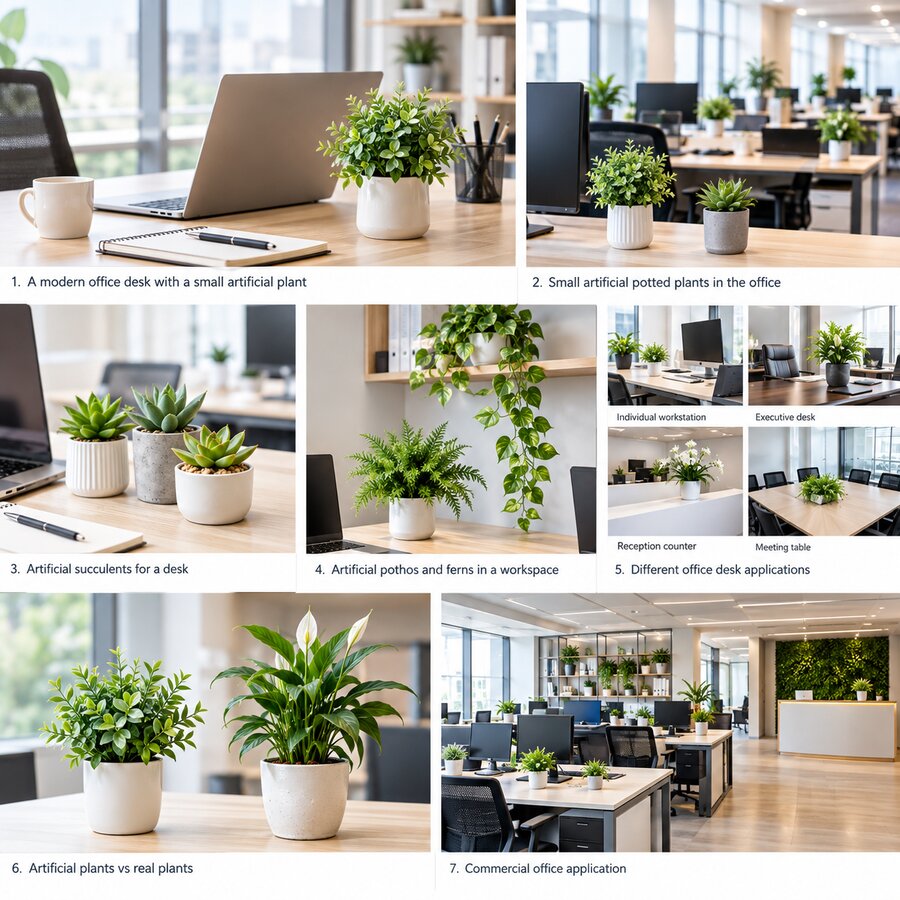
    In the fast paced world of modern business, creating a harmonious and productive workspace is paramount. While the benefits of natural greenery in offices are well documented, maintaining live plants can often be challenging as well as costly. Enter artificial plants, the versatile solution that effortlessly brings the beauty of the outdoors into the corporate environment. In this article, we'll explore the ways in which artificial plants can elevate office interiors, enhancing both aesthetics and employee well-being. Enhancing Aesthetics: The visual impact of a well designed office cannot be underestimated. Artificial plants offer a way to infuse a sense of natural splendour into any space. Whether it's a sleek, minimalist conference room or a vibrant open workspace, lifelike artificial plants can be strategically placed to add greenery with depth and texture. Boosting Staff Morale & Workplace Productivity:Extensive research validates that green foliage delivers tangible benefits to employees’ mental wellbeing. Unlike live vegetation, artificial plants require zero upkeep and remove all plant-care burdens, letting teams fully concentrate on core work without extra chores. Strategic green installations effectively lower workplace stress and spark creative thinking, cultivating a comfortable, high-efficiency office environment.   The Transformative Value of Biophilic Office Design:Biophilic design—an interior architectural concept that bridges humans and natural surroundings—has become a dominant modern office trend. Artificial foliage fits seamlessly into this design framework, crafting nature-infused workspaces that align perfectly with fast-paced contemporary professional demands. Whether custom moss feature walls or large potted artificial trees, these botanical replicas grant full design flexibility to realize biophilic aesthetics, with zero ongoing maintenance trade-offs.     Customization and Adaptability: Artificial plants come in an array of styles, sizes, and types. This allows for complete customization to suit the unique character of your office space. Whether you prefer the elegance of cascading vines, the vibrancy of flowering plants, or the simplicity of succulents, there's an artificial plant to match your vision. Areas of Application: The versatility of artificial plants knows no bounds. Consider hanging arrangements and artificial green walls in communal areas and break out spaces, potted plants in individual workstations, or large statement pieces in reception areas. Moreover, artificial plants are not confined by lighting conditions, making them ideal for spaces with limited natural sunlight. Sustainability & Long Service Life:Premium artificial plants are engineered for long-term durability. Their exceptional lifespan cuts down waste generation, and many models are crafted using recyclable raw materials to advance eco-friendly practices. Conclusion Incorporating artificial greenery into office interiors delivers multi-faceted benefits: it elevates visual aesthetics, cultivates tranquil work ambiances, fulfills core biophilic design concepts, and boosts employees’ overall wellbeing.   Artificial plants serve as a versatile, impactful solution to craft uplifting, high-productivity workspaces. Merge natural charm with contemporary modern design via artificial foliage, and transform your office into a space that excels in both stunning visual style and practical functionality.
  • Optimizing Freight Costs: The Business Value of Knock-Down (K/D) Artificial Trees
    Jul 27, 2026
    Smarter Design for Global Artificial Tree Supply With the growing demand for artificial trees in hotels, restaurants, retail spaces, offices, and commercial landscaping projects, transportation efficiency has become an increasingly important consideration for buyers. For large artificial trees, shipping costs can represent a significant part of the total project budget. Traditional one-piece designs often require large packaging spaces, higher freight costs, and more complicated transportation arrangements. To solve these challenges, many manufacturers have developed K/D (Knock Down) structure designs for artificial trees. This structure allows large trees to be separated into multiple components, making storage, packaging, and transportation more efficient while maintaining the realistic appearance and stability required for commercial applications. The K/D structure has become an important design approach for improving the efficiency of artificial tree projects, especially in international B2B sourcing.   What Is K/D Structure in Artificial Trees? K/D, short for Knock Down, refers to a design method where an artificial tree is manufactured with detachable components instead of being shipped as a complete assembled product. A typical K/D artificial tree may include separate parts such as: Tree trunk sections Branch groups Leaf clusters Artificial foliage modules Decorative planters or bases During installation, these components can be quickly assembled on-site according to the product instructions. Unlike traditional fixed structures, K/D artificial trees provide more flexibility during transportation and installation.                 Reducing Shipping Volume and Transportation Costs One of the biggest advantages of K/D artificial trees is the reduction of shipping volume. Large artificial trees, such as 3-meter, 4-meter, or even taller landscape trees, can occupy significant container space when shipped as fully assembled units. With K/D design: Tree sections can be packed separately Branches can be arranged more efficiently Packaging space can be reduced More products can fit into the same shipping container For international buyers, especially those importing from overseas suppliers, reduced packaging volume can directly influence freight expenses. For example, a large artificial tree that requires oversized packaging when fully assembled may fit into standard cartons after being divided into multiple components. This helps avoid unnecessary transportation costs and improves container utilization.   Improving Container Loading Efficiency Container space is a major factor in international artificial tree sourcing. Shipping costs are usually calculated based on container usage, volume, or transportation dimensions. Therefore, optimizing loading efficiency can create significant cost advantages. K/D artificial trees allow manufacturers and buyers to: Increase the number of units loaded per container Reduce unused space Optimize carton arrangements Improve shipping planning For distributors, wholesalers, and project contractors, better container efficiency can help manage inventory costs and improve overall project profitability.         Easier Installation for Large Commercial Projects Transportation efficiency is only one advantage of K/D structure. Installation flexibility is another important benefit. Large artificial trees are often used in: Hotel lobbies Shopping malls Restaurants Exhibition halls Office buildings Resort landscapes Moving a fully assembled large artificial tree into these spaces can be difficult due to: Narrow entrances Elevator limitations Building access restrictions Installation space constraints K/D artificial trees solve these problems by allowing installers to assemble the product inside the project location. This approach provides greater flexibility for complex architectural environments.   Maintaining Realistic Appearance While Improving Efficiency Some buyers may worry that detachable structures affect the realism or stability of artificial trees. However, modern manufacturing techniques allow K/D artificial trees to maintain a natural appearance through: Strong connection systems Realistic branch positioning High-quality materials Carefully designed structures The final assembled tree can achieve a similar visual effect to a traditional fixed structure while providing better transportation advantages. The key is balancing: Realistic design Structural stability Easy installation Shipping efficiency A well-designed K/D artificial tree should not only save transportation space but also meet the visual expectations of commercial projects.   Supporting International Artificial Tree Projects For global buyers, logistics efficiency plays an important role in supplier selection. Importers often consider: Product packaging design Shipping cost control Delivery reliability Installation requirements After-sales support K/D structure provides a practical solution for international artificial tree projects by reducing transportation challenges and improving project flexibility. For suppliers exporting large artificial trees, efficient packaging design also helps improve production planning and reduce logistics pressure.   Sustainability Benefits of Optimized Packaging Besides reducing costs, efficient packaging can also support more sustainable transportation practices. When artificial trees require less shipping space: Fewer containers may be needed Transportation efficiency improves Packaging materials can be optimized Storage requirements may decrease Although transportation is only one part of a product’s environmental impact, smarter packaging design can contribute to more efficient supply chains.   How Buyers Can Evaluate K/D Artificial Tree Suppliers When selecting a supplier for K/D artificial trees, buyers should consider more than just the ability to separate components. Important evaluation factors include: 1. Structural Design A reliable K/D system should provide: Secure connections Easy assembly Long-term stability 2. Packaging Capability Suppliers should have experience with: International transportation requirements Protective packaging methods Container loading optimization 3. Installation Guidance Clear instructions, assembly drawings, or installation support can reduce project difficulties. 4. Quality Control Each component should be checked to ensure: Accurate fitting Consistent appearance Stable structure   The Future of Artificial Tree Design: Combining Beauty and Efficiency As commercial spaces continue to demand larger and more customized greenery solutions, artificial tree design is moving toward greater flexibility and efficiency. K/D structure represents an important development direction because it combines: Realistic appearance Easier transportation Lower logistics costs Flexible installation Better project adaptability For businesses purchasing artificial trees internationally, design efficiency is becoming just as important as visual quality. A well-designed K/D artificial tree solution allows companies to create impressive green spaces while improving transportation and installation efficiency.
  • High Quality Artificial Plants - What You Need To Know
    Jul 21, 2026
    The Truth About Artificial Plants: High Quality vs Tacky Replicas Artificial plants have undergone a remarkable transformation in recent years. Long gone are the days when fake greenery stuck out like a sore thumb—banished to forgotten waiting room corners or left collecting dust on bathroom vanities. Today’s top-tier artificial plants boast lifelike aesthetics that rival living botanicals, often even outshining them. Our brand has been privileged to supply premium artificial plants and trees for exquisite residential and commercial projects alike. Still, not all faux foliage is crafted to the same standard. A stark divide separates high-end realistic greenery from shoddy, gaudy knockoffs that tarnish the reputation of artificial plants as a whole. Before breaking down the key distinctions between premium and low-grade artificial plants, let’s first explore the core motivations driving our clients to opt for faux greenery in the first place.Where Should You Use Artificial Planting? The short answer is wherever you like…but a little thought goes a long way. There’s usually an artificial plant to suit most settings, we’ve supplied them to both commercial and residential clients over the years and we’ve gained some insights into why artificial planting has been chosen over the real thing. When it comes to residential we find it’s due to a low maintenance requirement, or that the real thing wouldn’t survive in the chosen setting, and many times it’s a stress free investment. For commercial and hospitality it’s simply the best choice in certain areas due to access or concerns over maintenance, the need to always look appealing and welcoming or quite simply lack of natural light. High quality artificial orchids for example are a great alternative to the real thing, they look and feel in most cases hyper realistic and yet you don’t have to worry about the flowers loosing petals, the leaves drooping and turning brown and you don’t need to be concerned about hay fever.            A beautiful real touch artificial orchid as a centre piece to a table or entrance side board or even a reception area can make a huge difference to a space, they’re available in every size from pelite to extra grand and many come pre potted in beautiful pots . Artificial olive trees are a great example too, many clients want to have a beautiful olive tree in their home or business, it reminds us of lazy days and evenings in exotic European destinations that seem miles away from the stresses of daily life. They also vary wildly when it comes to quality and shape. A high quality artificial olive tree in a unique pot placed in a dining room, kitchen, entrance or even a restaurant can transport us back to an incredible holiday and the muted greens and greys coupled with an interesting trunk and canopy can lift a space in a home or restaurant.           Let’s talk about what sets them apart, and what to look for when choosing a high quality artificial plant or tree.Appearance: Realistic vs. PlasticThe most obvious difference between high-quality and low-quality artificial plants is how they look. Quality artificial plants are crafted to closely mimic real plants. They have realistic textures, colours, and even details like the subtle imperfections found in nature. High-quality ones use a blend of materials, often incorporating silk or premium-grade materials to create a natural appearance. Some even include natural elements like real wood stems and real touch leaves and flowers to enhance their authenticity.     Our fiddle leaf trees and plants are a great example of high quality leaf and stem detailOn the other hand, cheap artificial plants usually look, well, cheap. They tend to have an unnatural, shiny plastic finish and overly bright colours that scream "fake" from across the room. The leaves and flowers often have visible seams or glue marks, and the overall shape can be stiff or awkward. These are the plants that give you flashbacks to outdated décor in your grandparents' house.Durability: Longevity vs. Short-LivedQuality artificial plants are an investment. They are built to last and can maintain their appearance for years with minimal maintenance.  You can place them anywhere without worrying about wilting or shedding leaves, which is a common issue with real plants. In stark contrast, low-grade artificial plants deteriorate rapidly. Their raw materials break down, hues wash out and fade unevenly, leaving you with dry, fragile foliage .They may only last one or two seasons with minimal use. After just a short while, these shoddy replicas wind up discarded in trash bins, a waste both for buyers and the planet. Detailing: Intricacy vs. Basic DesignA major telltale sign of a high-quality artificial plant is in the detailing. Quality plants pay attention to the small things—like the veining on the leaves, the variation in colour across the petals, and the way the plant is shaped. The leaves aren't all the same size or shade, and there’s an effort to capture the nuances that make real plants so captivating.   Price: Worth the Investment vs. Throwaway CashThere’s no getting around it—high-quality artificial plants can be pricey. But like most things in life, you get what you pay for. Investing in a well-made artificial plant means you’re getting something that looks fantastic and lasts for years. It’s a one-time purchase that, if taken care of, will continue to look beautiful in your space without the upkeep of a real plant.Cheap artificial plants are usually tempting because of their low price. They’re a quick fix or they tick a box, but they’re not a long-term solution. In the end, you might find yourself replacing them, which can add up both in cost and effort, or just generally being disappointed with the result and overall look. Maintenance: Minimal Effort vs. High HassleOne of the main reasons our clients choose artificial plants is the low maintenance and the ability to use certain plants in areas where real plants wouldn’t survive. With high-quality ones, the most you’ll need to do is give them an occasional dusting. They don’t require water, sunlight, or the perfect soil mixture. They won’t attract pests, and they’ll never outgrow their pot.However, low-quality artificial plants can be a bit of a pain. They might start looking shabby quite quickly, and cleaning them can be a challenge if they aren’t durable Plus, if they start falling apart, there's not much you can do to fix them.When it comes to artificial plants, quality makes a world of difference. High-quality artificial plants are a fantastic option for those who want the beauty of greenery without the upkeep. They’re realistic, durable, and worth the investment if you want something that will truly enhance your space. On the flip side, the cheap, tacky versions might be easy on the wallet, but they won’t do you any favours in the long run.   This is why we at  specialise in high quality artificial plants. We feel privileged to supply high quality artificial plants and trees to clients who know the difference and we always do it with a personal service.  Take a look at our curated artificial plant collection and drop us a message today. Our team is ready to source perfectly matched foliage for any domestic or commercial setting.      
  • Artificial Ficus Tree Guide: Everything You Need to Know Before Choosing Faux Ficus Trees
    Jul 20, 2026
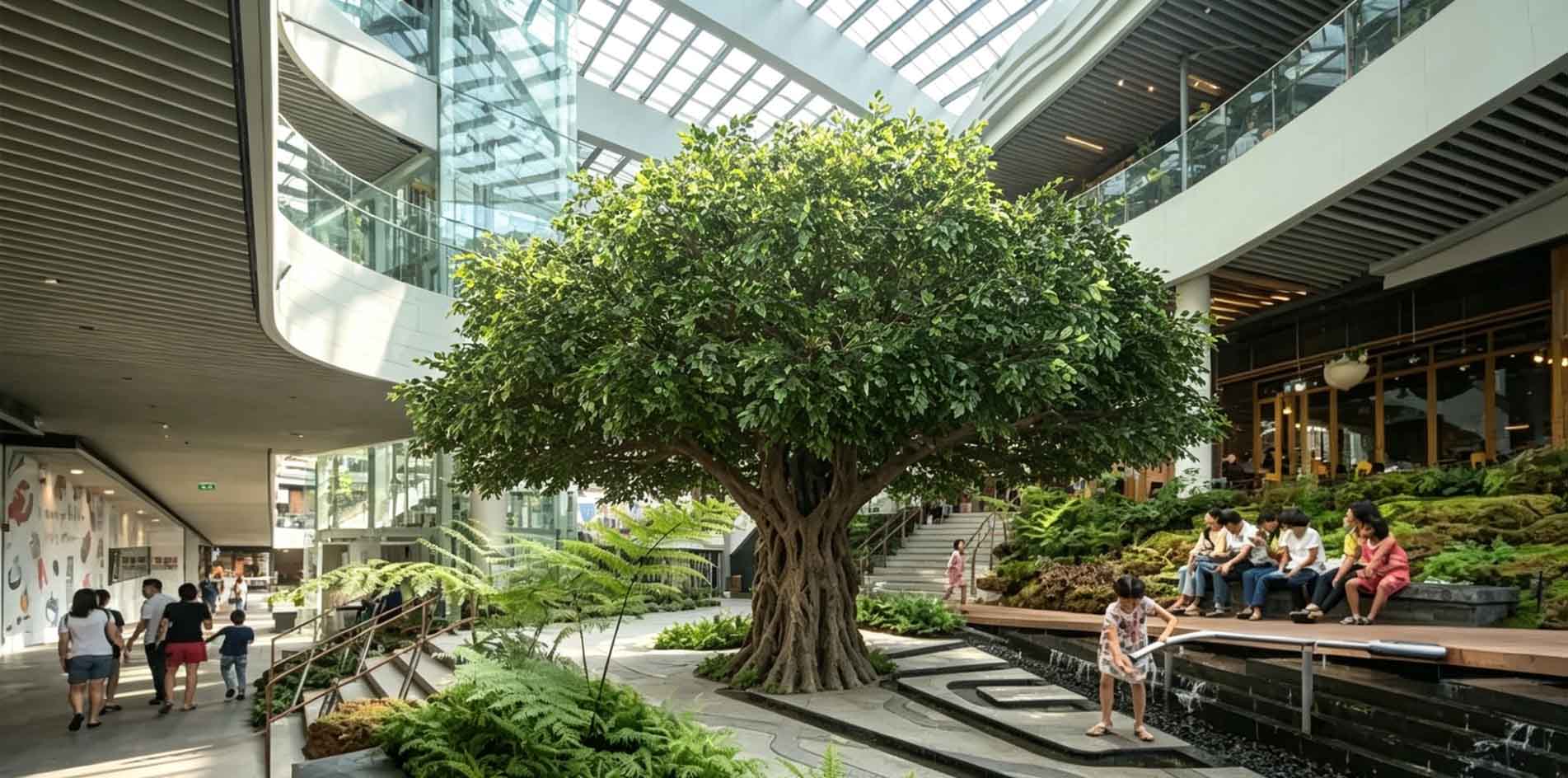
    Artificial ficus trees have become a common choice for commercial interiors, hospitality spaces, and landscape projects where natural greenery is desired but regular maintenance is difficult. With realistic leaf structures, flexible design options, and durable materials, an artificial ficus tree can provide a long-lasting decorative solution for hotels, offices, restaurants, retail stores, and public areas.   Unlike live plants, artificial ficus trees do not depend on sunlight, watering schedules, or seasonal conditions. This makes them suitable for spaces where plants need to maintain a consistent appearance throughout the year. From a small indoor decorative tree to a large custom banyan tree installation, different designs can meet various project requirements.   For designers, architects, and commercial buyers, selecting the right faux ficus tree requires consideration of size, materials, installation methods, safety requirements, and the environment where the tree will be placed.         What Is an Artificial Ficus Tree? An artificial ficus tree is a decorative replica of a real ficus plant made with synthetic materials such as PE, PVC, fabric, and reinforced internal structures. It is designed to recreate the appearance of natural ficus trees, including their characteristic leaf shape, branching structure, and tree silhouette.   Modern manufacturing technology allows artificial plants to achieve a more realistic appearance compared with traditional plastic plants. High-quality models often include detailed leaf veins, natural color variations, and flexible branches that can be adjusted during installation.   A faux ficus tree is commonly used in interior decoration because it provides the visual effect of greenery without the challenges associated with maintaining live plants. Typical applications include:   Hotel entrances and lobby areas Office reception spaces Restaurants and cafés Shopping malls Exhibition areas Residential interiors Outdoor covered areas Theme parks and commercial landscapes For commercial buyers, artificial ficus trees offer a practical way to introduce natural elements into spaces where environmental conditions may not support real plants.   Why Artificial Ficus Trees Are Popular in Commercial Interior Design Creating Natural Atmosphere in Hotels and Lobbies   Hotels often use greenery to create a welcoming environment for guests. Large open spaces such as hotel lobbies usually require decorative elements that can maintain a consistent appearance despite high traffic and limited natural light.   A large fake ficus tree for hotel lobby applications can serve as a visual focal point while complementing furniture, lighting, and architectural design. Common hotel applications include:   Lobby corners Reception areas Waiting lounges Guest corridors Restaurant entrances   Compared with live trees, artificial ficus trees can maintain their shape without requiring irrigation systems, pruning services, or specialized plant care. For hospitality projects, designers often consider factors such as tree height, canopy width, planter design, and overall style coordination to ensure the tree matches the surrounding environment.         Enhancing Office Spaces Through Biophilic Design   Biophilic design focuses on incorporating natural elements into built environments. Plants are one of the most commonly used elements because they help create a more comfortable and visually balanced workplace.   A biophilic design office artificial ficus tree can introduce natural shapes and colors into offices where live plants may not be practical. Office applications include:   Reception desks Meeting rooms Break areas Open workspaces Executive offices   Artificial ficus trees are especially useful in modern office buildings with limited daylight. They provide a stable green appearance without affecting workplace operations.   For large offices, designers may select multiple trees of different heights to create layered greenery. Smaller spaces may use compact faux ficus trees as decorative accents.   Types of Artificial Ficus Trees for Different Projects Faux Ficus Tree for Indoor Decoration   A faux ficus tree is one of the most common choices for indoor spaces. These trees are designed to replicate the appearance of popular ficus varieties while offering easier maintenance. Indoor faux ficus trees are often selected based on:   Height requirements Leaf density Tree shape Pot style Interior color scheme   Typical indoor sizes range from tabletop models to large floor-standing trees. Smaller versions work well in offices and homes, while taller trees are suitable for hotels and commercial spaces. The main advantage of indoor artificial ficus trees is their ability to maintain a fresh appearance without requiring specific growing conditions.   Large Artificial Ficus Tree for Commercial Spaces   Large spaces often require larger decorative elements to create visual balance. A large artificial ficus tree can fill empty corners, improve spatial proportions, and create a natural atmosphere in high-ceiling environments.   Large artificial ficus trees are commonly used in: Shopping centers Hotels Airports Exhibition halls Commercial plazas   For these applications, structural stability becomes an important consideration. Larger trees may require reinforced frames, stronger trunks, and stable bases to ensure safe installation.   Commercial-grade models are usually designed with stronger internal structures compared with standard decorative plants.             Artificial Banyan Tree for Landscape Projects   Banyan trees are known for their wide canopies and distinctive trunk structures. An artificial banyan tree is often selected for projects that require a dramatic natural centerpiece. Applications include: Theme parks Resorts Commercial gardens Entertainment venues Public landscape areas   Because natural banyan trees require large growing spaces and long development periods, artificial versions provide an alternative for creating an established tree appearance immediately after installation.   A custom scale faux banyan tree for theme parks can be designed according to specific project dimensions, including customized height, canopy spread, trunk shape, and leaf density.   Key Features to Consider When Choosing Commercial Artificial Ficus Trees   UV Resistant Artificial Ficus Trees for Outdoor Applications   Outdoor environments require materials that can withstand sunlight exposure and changing weather conditions. UV resistant faux ficus trees for outdoor landscaping are manufactured with materials designed to reduce color fading caused by ultraviolet rays. They are suitable for:   Outdoor restaurants Covered patios Resort landscapes Commercial entrances Outdoor event areas   When selecting outdoor artificial ficus trees, buyers should consider: UV protection level Weather conditions Installation location Expected usage period   Although UV-resistant materials improve outdoor performance, the placement environment still affects product lifespan. Covered areas generally provide better protection compared with fully exposed locations.   Fire Retardant Artificial Ficus Tree for Public Spaces   Safety requirements are an important consideration in many commercial projects, especially in hotels, shopping centers, and public buildings. A fire retardant artificial ficus tree for indoor public spaces uses treated materials designed to meet specific fire safety requirements. These products are commonly considered for: Hotels Airports Exhibition centers Shopping malls Office buildings   Before installation, project managers should confirm local safety standards and required certifications.   Custom Artificial Ficus Trees for Large-Scale Projects   Every commercial space has different dimensions and design requirements. Standard artificial trees may not always match the scale or style of a specific project. Custom artificial ficus trees allow designers and buyers to adjust different elements, including: Tree height Canopy width Leaf density Branch arrangement Trunk appearance Planter design   For example, a hotel with a high ceiling may require a taller tree with a wider canopy, while a restaurant corner may need a narrower design to fit limited space. Custom Scale Faux Banyan Trees for Theme Parks   Theme parks and entertainment venues often require large decorative elements that create memorable visual experiences. A custom scale faux banyan tree for theme parks can be produced according to architectural drawings, 3D concepts, or specific measurements. Customization may include: Oversized trunk structures Extended branch systems Special leaf arrangements Integrated lighting features Large landscape installations   These trees are often used as central attractions, photo areas, or themed environment decorations.         Easy Installation and On-Site Assembly for Commercial Projects   Large artificial trees need practical installation methods, especially when they are used in commercial environments.   An easy on-site assembly fake ficus tree wholesale solution allows large trees to be transported, assembled, and installed more efficiently. Many commercial artificial trees are designed with modular structures, including:   Detachable branches Separate trunk sections Adjustable support systems Pre-installed frames This approach provides several benefits: Easier transportation Reduced packaging size More convenient installation Lower handling difficulty   For international projects, modular designs are especially useful because large trees can be shipped more efficiently and assembled at the final location.   Artificial Ficus Tree Wholesale Buying Guide   When purchasing artificial ficus trees in bulk, commercial buyers usually evaluate more than appearance. Factors such as material quality, production capability, customization options, and project support also influence the final selection.   Choosing the Right Material   Different materials affect the appearance and durability of artificial ficus trees. Common materials include:   PE Leaves PE leaves are widely used because they provide realistic texture and flexibility. They are suitable for many indoor and outdoor applications.   PVC Components PVC materials are commonly used for structural parts and decorative elements because of their durability.   Fabric or Silk Leaves Silk materials can provide soft textures and detailed shapes, making them suitable for decorative indoor projects.   The ideal material combination depends on the application environment and design expectations.   Selecting the Appropriate Size   Size selection is one of the most important decisions for commercial projects. A small faux ficus tree may work well in: Office desks Reception counters Small retail displays   Medium-sized trees are suitable for: Restaurants Hotel corridors Lounge areas   Large artificial ficus trees are commonly selected for: Atriums Shopping malls Theme projects Large commercial spaces   The relationship between tree height and surrounding architecture should be considered carefully to achieve visual balance. Comparison Artificial Ficus Tree Live Ficus Tree Maintenance Requires minimal cleaning only Requires watering, pruning, and care Lighting Requirements Does not require sunlight Needs suitable light conditions Appearance Stability Maintains consistent appearance Changes with seasons and growth Location Flexibility Suitable for many indoor spaces Limited by environment Installation Can be placed immediately Requires planting and adaptation Long-Term Management Lower maintenance requirements Requires ongoing care Artificial ficus trees provide a flexible solution for commercial spaces that require natural-looking greenery without the maintenance demands of live plants. From hotel lobbies and office interiors to restaurants, retail spaces, and large landscape projects, different designs can meet various decorative and functional needs.   When selecting an artificial ficus tree, factors such as size, material, safety requirements, installation method, and customization options should be considered. With suitable planning, artificial ficus trees can become long-lasting elements that enhance the atmosphere of different environments while maintaining a consistent appearance throughout the year.  
  • Why Artificial Pine Trees Are Becoming an Important Choice for Commercial Design
    Jul 15, 2026
    Green elements have become an important part of modern commercial space design. Hotels, offices, restaurants, shopping centers, resorts, and entertainment venues increasingly use plants to create comfortable environments, improve visual experiences, and connect indoor spaces with natural elements. However, using real pine trees in commercial environments is not always practical. Natural trees require suitable sunlight, temperature conditions, soil space, irrigation systems, and regular maintenance. In many indoor locations, such as hotel lobbies, office buildings, and shopping malls, these conditions are difficult to provide. An artificial pine tree offers a flexible alternative by creating a realistic evergreen appearance without the limitations of natural growth. Designed with detailed needles, natural branch structures, and customizable forms, modern artificial pine trees can bring the atmosphere of a forest environment into spaces where live plants may not be suitable. Commercial projects often select faux pine trees, fake pine trees, and artificial conifer trees because they provide consistent appearance throughout the year, support different design concepts, and reduce long-term maintenance requirements.   From a large hotel lobby centerpiece to outdoor commercial landscaping, artificial pine trees have become more than decorative objects. They are increasingly used as design elements that help shape space, guide movement, and create memorable environments.         The Role of Artificial Pine Trees in Modern Commercial Spaces Creating a Consistent Evergreen Atmosphere Throughout the Year One of the most important advantages of an artificial pine tree is its ability to maintain a stable evergreen appearance regardless of climate or season. Pine trees naturally represent durability, longevity, and year-round greenery. These characteristics make them popular choices for commercial spaces that want to create a feeling of stability and connection with nature. Unlike live plants, artificial pine trees do not experience seasonal changes such as: Needle loss Growth cycles Weather-related appearance changes Seasonal replacement requirements This allows hotels, retail stores, and office buildings to maintain a consistent visual environment throughout the year. For businesses operating multiple locations, this consistency can also support a unified design language. Chain retailers, hotel groups, and franchise businesses often use standardized faux evergreen trees to maintain the same atmosphere across different locations. A carefully designed artificial pine installation can help create a recognizable brand environment while adapting to different architectural styles.   Bringing Biophilic Design Into Challenging Indoor Environments Biophilic design focuses on introducing natural elements into built environments to create more comfortable and engaging spaces. However, many commercial interiors have conditions where real plants may struggle, including: Limited natural light Air-conditioned environments Irregular temperature changes Restricted planting areas High-traffic locations In these situations, biophilic design office artificial pine trees provide a practical solution. Artificial pine trees allow designers to introduce natural forms into: Office reception areas Conference spaces Corporate lounges Indoor public areas Because they do not depend on sunlight or irrigation, they can be installed in areas where living trees cannot survive. The layered structure of pine branches also creates natural depth and visual rhythm, helping offices and commercial interiors feel more connected to outdoor environments.          Benefits of Commercial Grade Artificial Pine Trees Lower Maintenance Requirements and Long-Term Value For commercial projects, maintenance efficiency is often an important consideration. A live tree installation may require: Regular watering Professional pruning Pest management Soil care Replacement of unhealthy plants A commercial grade artificial pine tree eliminates many of these ongoing requirements. Once installed correctly, artificial pine trees typically require only occasional cleaning to maintain their appearance. This makes them suitable for spaces where regular plant care is difficult or costly. For large projects, commercial grade artificial pine trees wholesale solutions allow businesses to purchase consistent products in larger quantities while maintaining the same design style across multiple areas. Applications include: Hotel groups Shopping malls Office campuses Theme parks Commercial plazas The long service life of durable artificial trees can also reduce the need for frequent plant replacement, helping businesses manage operational costs more effectively.   Stable Appearance for Hotels, Offices, and Retail Spaces Commercial environments often require reliable visual presentation. A hotel lobby, restaurant entrance, or retail showroom may need to look attractive every day, regardless of weather conditions or seasonal changes. Artificial pine trees provide: Stable color appearance Predictable shape Flexible placement Easy relocation when layouts change For hospitality projects, a large fake pine tree for hotel lobby applications can become a central visual feature that welcomes visitors and creates a natural first impression. Designers can customize: Tree height Canopy width Branch density Trunk appearance Overall silhouette This flexibility allows artificial pine trees to fit different design concepts, from luxury hotels to rustic restaurants.   Artificial Pine Trees as a Spatial Design Element Creating Focal Points and Defining Space Large commercial interiors often require visual elements that help organize open areas. An artificial pine tree can function as a spatial design tool rather than only a decoration. Designers use large artificial trees to: Create focal points Define circulation routes Separate functional zones Guide visitor movement Enhance architectural views For example, a tall artificial pine tree placed near a hotel entrance can naturally draw attention toward reception areas. In shopping centers, groups of artificial trees can help create comfortable pathways between different sections. Because artificial trees can be customized in size and shape, they can be designed specifically for the proportions of a space.   Adding Texture and Depth Through Pine Needle Structure Pine trees have a unique visual character because of their layered branches and fine needle textures. Compared with many broadleaf artificial plants, pine designs create a different sense of depth through: Dense branch arrangements Layered canopy structures Natural shadow effects Vertical growth patterns A well-designed artificial conifer tree can add atmosphere even in compact areas. This makes pine trees suitable for: Small restaurant corners Office waiting areas Retail displays Exhibition spaces The texture of pine branches helps create visual interest without requiring large floor space.   Applications of Artificial Pine Trees in Commercial Projects Large Fake Pine Tree for Hotel Lobby Design Hotel lobbies often combine architecture, lighting, furniture, and greenery to create a memorable guest experience. A large fake pine tree for hotel lobby projects can provide a strong natural focal point while maintaining a clean and organized appearance. Common installation locations include: Main entrances Reception areas Lounge zones Resort-style spaces Some premium projects choose a real wood trunk artificial pine tree for restaurant decor or hotel applications because natural wood textures create a closer connection to real landscapes. Combining artificial foliage with natural trunk materials can produce a more organic appearance.   Real Wood Trunk Artificial Pine Tree for Restaurant Decor Restaurants often use greenery to influence atmosphere and customer experience. A real wood trunk artificial pine tree for restaurant decor can introduce natural elements while matching different interior styles. Examples include: Forest-inspired restaurants Mountain-style cafes Luxury dining spaces Outdoor-themed restaurants Compared with smaller decorative plants, larger artificial pine trees can create stronger visual impact and become part of the overall restaurant identity.         Biophilic Design Office Artificial Pine Trees Office environments increasingly focus on employee comfort and workplace experience. Biophilic design office artificial pine trees can help create more relaxing and natural-looking workspaces. They are commonly used in: Reception areas Break rooms Collaboration spaces Employee lounges Artificial greenery provides design flexibility while avoiding concerns about plant maintenance in busy workplaces.   Custom Scale Faux Conifer Trees for Theme Parks Large entertainment projects often require unique landscape features. Custom scale faux conifer trees for theme parks can be manufactured according to specific project requirements. Customization options may include: Oversized dimensions Special tree shapes Different conifer styles Custom trunk finishes Specific canopy density Theme parks, exhibitions, and entertainment venues often use large artificial trees to create immersive environments that cannot easily be achieved with natural trees.   Outdoor Commercial Landscaping With Artificial Pine Trees UV Resistant Faux Pine Trees for Outdoor Landscaping Outdoor projects require artificial trees that can withstand environmental exposure. UV resistant faux pine trees for outdoor landscaping are designed with materials that help reduce color fading caused by prolonged sunlight exposure. They are commonly used in: Outdoor shopping areas Resort landscapes Commercial entrances Public plazas When selecting outdoor artificial pine trees, project planners usually consider: UV protection Material durability Structural stability Installation method The correct product selection depends on climate conditions and project requirements.   Heavy Duty Structures for Public Areas Large outdoor installations need reliable structural support. A heavy duty steel base fake pine tree for commercial plazas is designed for locations where stability is an important factor. Typical structural features include: Reinforced internal frames Strong steel supports Stable bases Secure installation systems These designs help artificial pine trees remain stable in busy commercial environments.   Fire Retardant Artificial Pine Trees for Public Spaces Supporting Safety Requirements in Indoor Environments Public buildings often have strict requirements regarding decorative materials. A fire retardant artificial pine tree for indoor public spaces is manufactured with materials designed to provide additional fire safety performance. These products may be considered for: Hotels Airports Shopping centers Office buildings Exhibition halls When selecting fire-retardant artificial trees, project teams should review relevant testing documents and ensure the materials meet applicable building requirements. Safety considerations are especially important in high-traffic public areas where decorative elements become part of the overall building environment.   Customization Options for Commercial Artificial Pine Tree Projects Creating Unique Designs for Different Spaces Commercial projects often require more than standard-size products. Artificial pine trees can be customized according to: Height requirements Canopy spread Branch arrangement Color preferences Installation conditions This allows designers to create solutions that match specific architectural concepts. A luxury hotel may require a tall narrow tree for a lobby corner, while a theme park may need oversized trees for immersive scenery.          Easy On-Site Assembly Solutions for Wholesale Projects For large commercial orders, transportation and installation efficiency are important. An easy on-site assembly fake pine tree wholesale solution allows large artificial trees to be produced in sections for easier handling. Modular structures may include: Separate branches Adjustable components Simplified installation systems This approach helps reduce transportation challenges and makes installation more practical for large projects.   Artificial Pine Trees and Sustainable Commercial Design Long-Term Use and Resource Efficiency Sustainability in commercial design involves considering the entire lifecycle of materials and products. Artificial pine trees designed for long-term use can reduce resource consumption associated with: Frequent plant replacement Continuous watering Regular landscaping maintenance When produced with durable and recyclable materials, artificial greenery can support operational efficiency goals for commercial projects. Rather than replacing seasonal decorations repeatedly, businesses can use permanent artificial pine installations that maintain their appearance over many years.
  • The Benefits of Fire Retardant Artificial Plants in Restaurants and Public Spaces
    Jul 13, 2026
    In the world of interior design, creating inviting and aesthetically pleasing environments is paramount, especially in restaurants, bars, hotels, and other public spaces. While natural greenery has been a traditional choice, the demand for artificial plants and realistic faux plants, particularly fire retardant ones, has been steadily rising.Let's explore the advantages of using flame-retardant artificial plants in public places and the significance they hold for safety.     The Role of Fire Retardant Artificial PlantsWe understand the importance of safety and style in commercial interiors. That's why we offer a full range of inherently fire retardant artificial plants designed specifically for public spaces. Our collection includes trailing and hanging plants that create stunning ceiling features, as well as green wall and plant stem that transform spaces with green elegance whilst providing that extra peace of mind.                          Why Fire Retardant Plants MatterSafety is paramount in public areas, and fire safety regulations are strict for a reason. Fire retardant artificial plants are essential in meeting these regulations. They are manufactured with materials that inhibit the spread of flames, providing an added protection in the event of a fire. This not only safeguards customers and staff but also ensures compliance with fire codes and regulations. Low Maintenance, High Impact Traditional live plants require constant care, and their growth can be unpredictable. In contrast, fire retardant artificial plants offer the lush, vibrant look of real greenery without the need for watering, pruning, or replacement. They maintain their appearance all year round, providing consistent beauty and ambiance.Fire retardant artificial plants offer versatile design options. Trailing and hanging plants can be used to create stunning ceiling installations, adding visual interest and a touch of nature to your space. Green wall make for excellent room dividers or focal points, allowing you to craft unique and inviting atmospheres.   Long-Term Savings While the initial investment in fire retardant artificial plants may be slightly higher than their live counterparts, the long-term savings are significant. You'll eliminate ongoing maintenance costs, including watering, pest control, and replacement of dead or overgrown plants.                      Explore Our Fire Retardant CollectionWe have carefully selected an offering of fire retardant artificial plants that are crafted with precision to provide the utmost in safety, style, and durability. Whether you're looking to create a lush green 'instagram worthy' inviting restaurant or a stunning biophilic public space, our fire retardant plants are the perfect choice.
1 2 3

leave a message

leave a message
If you are interested in our products and want to know more details,please leave a message here,we will reply you as soon as we can.

Home

Products

WhatsApp

contact