Real Wood Trunk vs. Artificial Trunk: Which Is Better for Artificial Trees?
Nov 02, 2026
Artificial trees have become a popular choice for hotels, offices, shopping malls, restaurants, retail stores, and residential interiors. As designs become more realistic and project requirements become more specific, the materials used to construct artificial trees have also become an important consideration.
One of the main decisions when selecting an artificial tree is the trunk material. Some artificial trees are made with natural wood trunks, while others use manufactured materials such as plastic, fiberglass, resin, or metal structures covered with decorative finishes.
Both options can create attractive artificial trees, but they offer different characteristics in terms of appearance, structure, weight, transportation, maintenance, and cost.
So, when comparing a real wood trunk vs. an artificial trunk, which option is more suitable?
The answer depends on the intended application, product design, budget, transportation requirements, and expected service environment.
In this guide, we will explain the differences between real wood trunk artificial trees and artificial trunk trees, helping buyers, wholesalers, designers, and project contractors make more informed purchasing decisions.
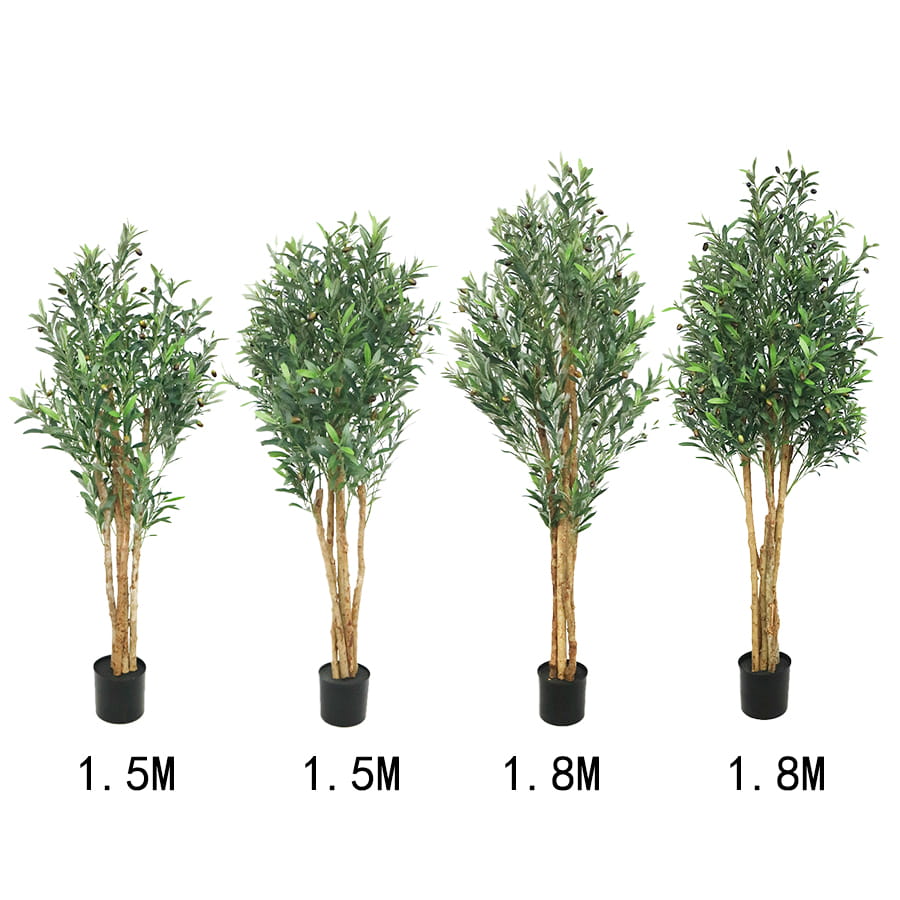
real wood trunk olive tree
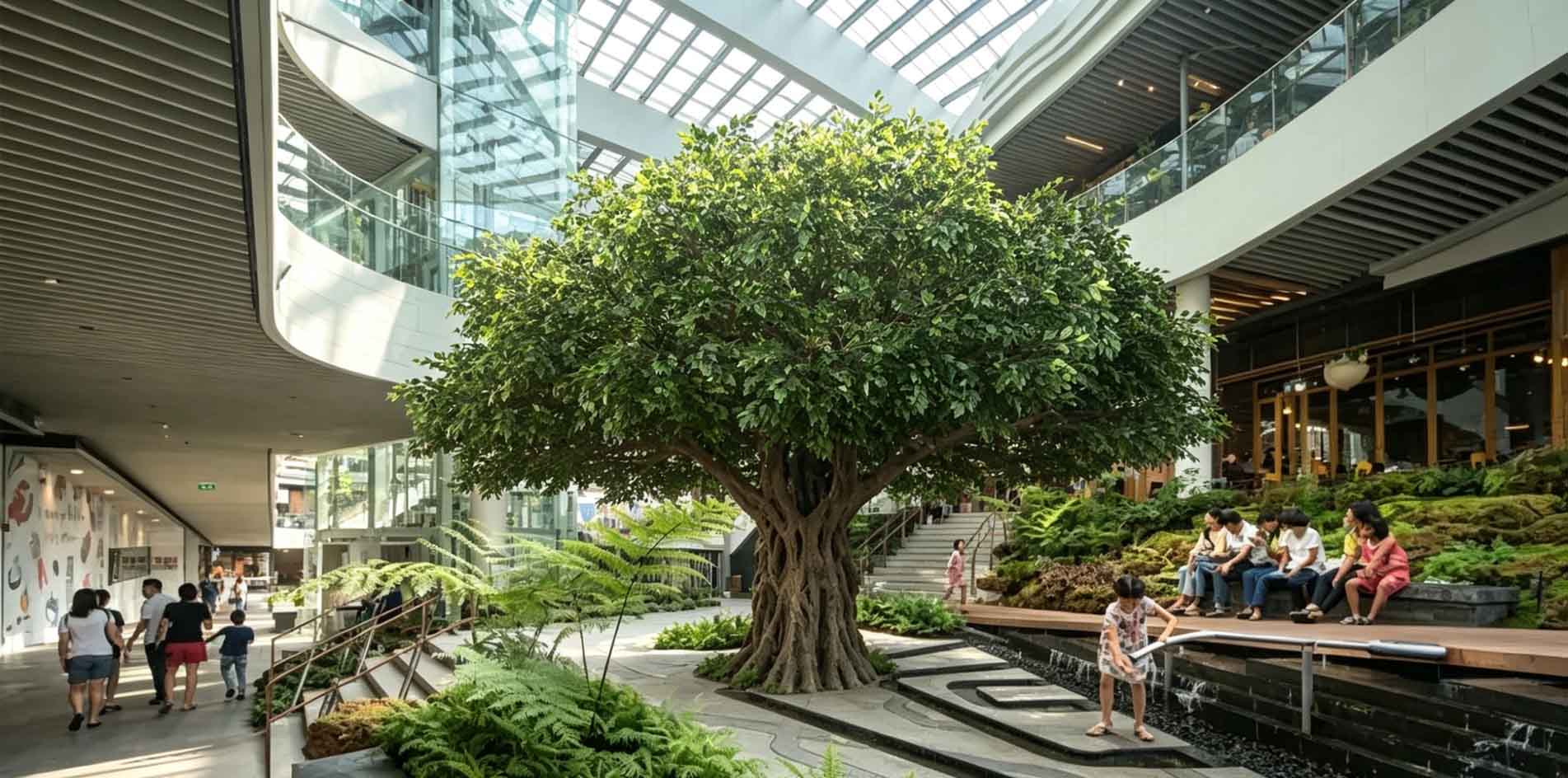
artificial-trunk tree
1. What Is a Real Wood Trunk Artificial Tree?
A real wood trunk artificial tree is made using a natural wood trunk combined with artificial branches, leaves, and other decorative components.
Unlike a completely manufactured tree structure, this type of artificial tree uses real wood as its main visible trunk. The natural material provides original wood grain, irregular textures, knots, and variations in color.
These characteristics make each trunk slightly different, giving artificial trees a more natural appearance.
How Are Real Wood Trunk Artificial Trees Made?
The manufacturing process generally involves several steps:
1. Wood Selection
Natural wood pieces are selected according to the required tree height, trunk diameter, shape, and overall design. Manufacturers consider the wood's appearance, condition, and suitability for the intended application.
2. Wood Preparation
The selected wood is cleaned, dried, and prepared for production. Depending on the wood type and manufacturing requirements, additional treatment may be necessary to reduce moisture-related problems and improve stability.
3. Trunk Shaping
The wood is trimmed and adjusted to achieve the required shape. For custom artificial trees, manufacturers may select or modify wood pieces to match a specific design or reference sample.
4. Branch Installation
Artificial branches are attached to the natural trunk using suitable connection methods. The arrangement of the branches determines the tree's overall shape and canopy structure.
5. Leaf Installation and Finishing
Artificial leaves are attached to the branches, followed by adjustments to the tree's shape, density, and appearance.
The finished product combines the natural characteristics of wood with the flexibility of artificial foliage.
2. What Is an Artificial Trunk?
An artificial trunk is a manufactured structure designed to imitate the appearance of a natural tree trunk.
Depending on the product design and manufacturing process, artificial trunks can be made from several materials, including plastic, fiberglass, resin, metal, and composite materials.
The trunk surface may be painted, molded, textured, or finished with decorative coatings to reproduce the appearance of natural bark.
Unlike real wood trunks, artificial trunks can be manufactured with more consistent dimensions and shapes.
Common Materials Used for Artificial Tree Trunks
Plastic Trunks
Plastic is commonly used for smaller artificial trees and decorative plants. It is relatively lightweight and can be molded into different shapes.
Fiberglass Trunks
Fiberglass can be used for larger decorative structures. It offers design flexibility and can be finished with different textures and colors.
Resin Trunks
Resin-based materials allow manufacturers to create detailed surfaces and imitate different types of tree bark.
Metal-Supported Trunks
Some large artificial trees use metal structures as internal supports. Decorative materials are then applied to create the desired trunk appearance.
This construction method can be useful when the tree requires a specific shape, internal strength, or customized dimensions.
3. Real Wood Trunk vs. Artificial Trunk: Key Differences
When comparing a real wood trunk vs. an artificial trunk, it is important to look beyond appearance.
The materials influence the product's overall construction, weight, consistency, transportation, and suitability for different environments.
Here are the main differences.
1.Appearance and Natural Texture
2 Weight and Transportation
3.Strength and Structural Stability
4.Durability and Maintenance
5.Customization and Design Flexibility
6.Cost and Production Considerations
4. Comparison Table: Real Wood Trunk vs. Artificial Trunk
Comparison
Real Wood Trunk
Artificial Trunk
Material
Natural wood
Plastic, fiberglass, resin, metal-supported or composite materials
Texture
Original wood grain
Manufactured bark texture
Appearance
Naturally irregular
More controlled and consistent
Weight
Depends on wood type and size
Depends on material and structure
Shape
Influenced by natural wood
Can be manufactured to specifications
Customization
Requires suitable wood selection
More flexibility in standardized designs
Production
Depends on wood availability and preparation
Depends on materials and manufacturing methods
Maintenance
Requires suitable moisture and storage conditions
Depends on material and surface finish
Transportation
Depends on trunk weight and dimensions
Lightweight designs may reduce handling weight
Cost
Depends on wood selection and preparation
Depends on material, molds, and finishing
Frequently Asked Questions
Q1: Are real wood trunk artificial trees more realistic?
Real wood trunks have natural grain patterns and irregular textures that are difficult to reproduce exactly. However, high-quality artificial trunks can also achieve realistic bark textures through molding and surface finishing. The final appearance depends on the materials and manufacturing quality.
Q2: Are artificial trunks lighter than real wood trunks?
Not necessarily. Some artificial trunks made from hollow plastic or lightweight materials may weigh less than natural wood. However, fiberglass, resin, and metal-supported structures can also be heavy. The total weight depends on the material, dimensions, and internal construction.
Q3: Can artificial trees with real wood trunks be used outdoors?
They may be suitable for certain outdoor applications if the wood is properly prepared and the complete tree is designed for the intended environment. Buyers should confirm moisture protection, UV resistance, structural stability, and other relevant specifications with the manufacturer.
Q4: Can artificial trunks be customized?
Yes. Depending on the production method, artificial trunks can be customized in terms of height, diameter, shape, surface texture, color, and internal structure. The available options depend on the material and manufacturing process.
Q5: Which trunk material is better for large artificial trees?
There is no single answer for every large artificial tree. Real wood trunks provide natural variations, while manufactured trunks can offer more controlled dimensions and structural design options. The most suitable choice depends on the tree design, project requirements, transportation conditions, and budget.
Q6: Are real wood trunk artificial trees more expensive?
They can be more expensive in some cases because of natural wood selection, preparation, and processing. However, the final price also depends on trunk dimensions, foliage quantity, product height, customization, and order volume. A direct comparison requires matching product specifications.
Q7: Can large artificial trees be made with detachable trunks?
Yes. Depending on the design, large artificial trees can be developed with detachable trunk sections or branches. This K/D structure can make packaging, transportation, and on-site assembly more manageable.
Q8: How can buyers choose between real wood and artificial trunks?
Start by identifying the intended application, required appearance, product dimensions, and budget. Then compare material specifications, structural design, maintenance requirements, and transportation arrangements. Requesting product photographs, samples, and detailed quotations can also help with the decision.