Selecting Faux Trees for Tropical Commercial Landscapes
Jun 15, 2026
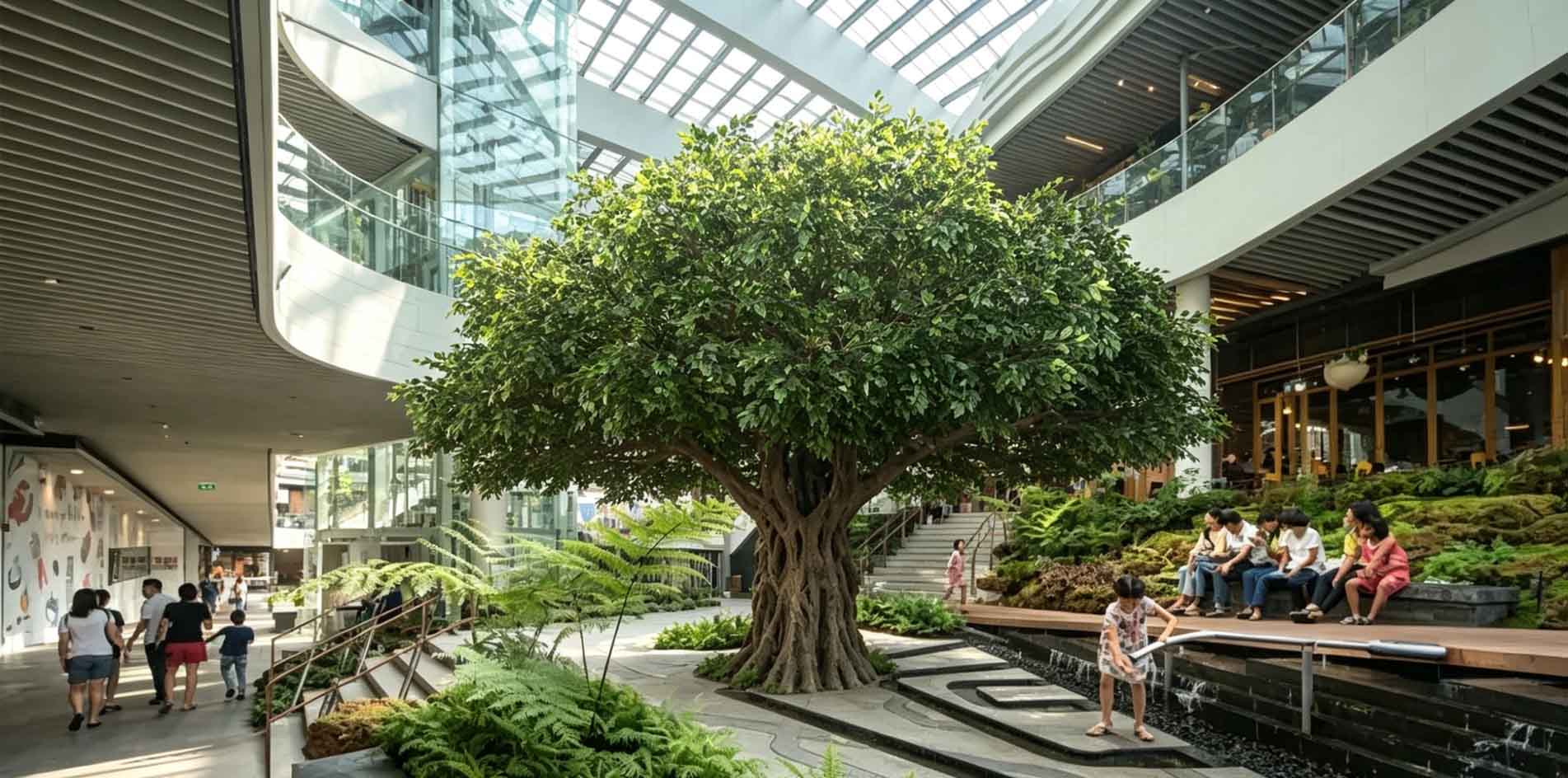
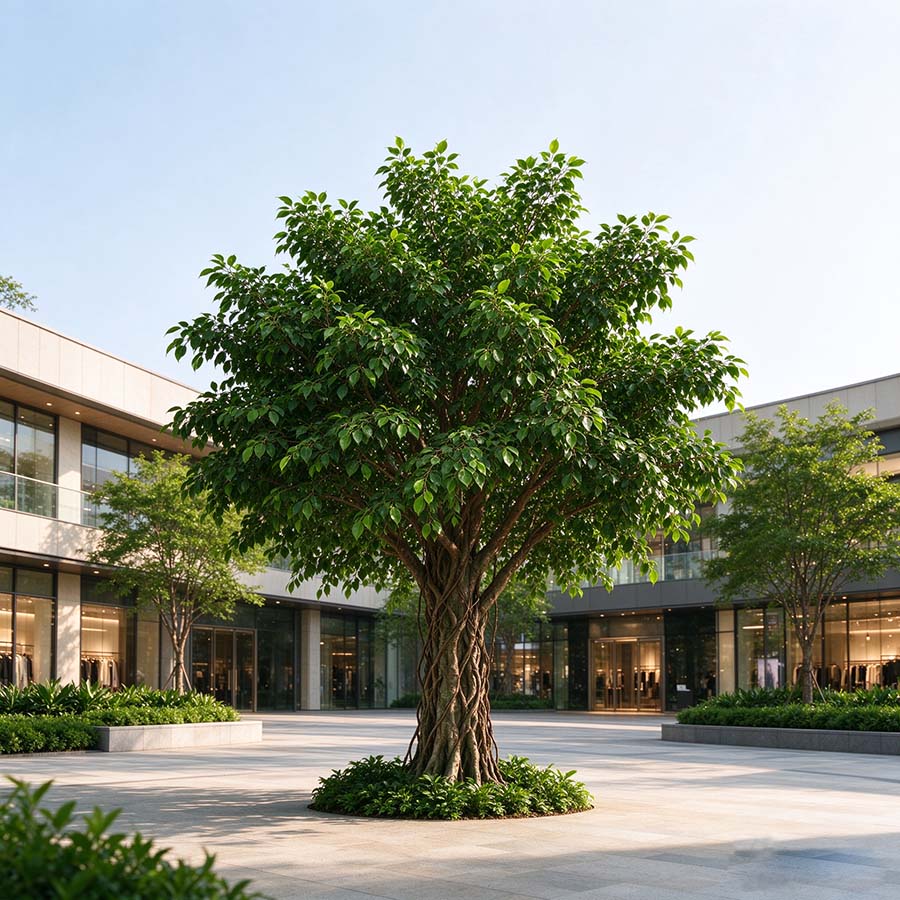
Creating a lush, immersive tropical vibe for commercial properties—resorts, beach restaurants, mall courtyards, hotel lobbies, and pool decks—used to rely entirely on live tropical trees. Today, premium faux tropical trees have become the go-to solution for landscape designers and business owners aiming for year-round flawless aesthetics with minimal operational strain. Unlike live specimens that struggle with uneven lighting, harsh weather, high foot traffic, and strict maintenance schedules, high-quality artificial trees deliver instant tropical charm tailored to every commercial layout and budget.
The biggest advantage faux tropical trees bring to commercial landscapes is drastically cut long-term operational costs. Live palms, bird of paradise, and traveler’s palms demand regular watering, fertilizing, pruning, pest control, and seasonal replacement when temperatures or light levels fail them. For businesses running multiple locations or large open-air spaces, labor and irrigation expenses add up quickly. Top-tier faux varieties need only occasional dust wiping to stay vibrant; quality builds retain full shape and color for 3-5 years indoors, while UV-stabilized outdoor models hold up for three years or more without fading. Property teams eliminate plant replacement cycles and free up staff hours for core guest and customer services instead of landscape upkeep.
Matching tree species to your commercial space’s function is the next critical selection step. Giant coconut and date palms act as dramatic focal points for resort entrances, poolside terraces, and open mall plazas, instantly evoking beachside relaxation. Slender areca palms and artificial banana trees soften indoor lobbies, partition restaurant seating zones, and fill narrow atriums without overwhelming smaller footprints. Statement traveler’s palms and oversized faux monstera deliver upscale tropical luxury for boutique hotels and premium retail lounges. Compact cycas palms work beautifully for border lining, planter groupings, and shaded walkway accents, creating layered depth across large landscape layouts.
Material quality separates cheap decorative fakes from commercial-grade faux trees built for heavy use. For indoor installations, prioritize leaves crafted from coated silk, PU, or thick PE plastic with natural color gradients, subtle vein detailing, and non-glossy, lifelike textures that avoid a plastic sheen. Outdoor commercial landscapes require UV-integrated foliage—stabilizers mixed directly into resin prevent yellowing and brittling under direct sunlight; always request third-party UV test certifications for exterior builds. Reinforced fiberglass or steel-reinforced trunks are non-negotiable for high-traffic areas, resisting bumps, wind gusts, and frequent cleaning far better than flimsy hollow plastic trunks. Food-service spaces should additionally specify fire-retardant and oil-resistant leaf coatings to meet health and safety codes.
Scale and site planning prevent awkward, unbalanced landscape results, a common misstep with bulk artificial tree orders. Measure ceiling heights, courtyard square footage, walkway clearances, and seating sightlines before locking in sizes. Oversized trees crammed into low lobbies create cramped, claustrophobic spaces, while undersized specimens fail to deliver the bold tropical statement commercial brands want. Custom sizing is widely available from professional manufacturers—you can adjust trunk height, foliage spread, and leaf density to perfectly frame entryways, line driveways, or frame outdoor dining patios. Grouping trees of varying heights mimics natural tropical jungle layering and adds dimensional visual interest across flat landscape zones.
Customization options let businesses align faux tree landscapes directly with their brand identity. Beyond standard sizing, suppliers offer tailored trunk textures, bark finishes, leaf green tones, and integrated planter solutions to match existing hardscaping, tile, or furniture palettes. Many projects add complementary faux tropical undergrowth—ferns, heliconia, and palm frond ground cover—to complete cohesive landscape beds. Bespoke installations can even include weighted base structures for rooftop or windy coastal locations, ensuring stability through storm seasons without sacrificing design flow. Unlike live trees with fixed growth patterns, faux designs let designers execute exact creative visions from day one, no waiting for slow maturation.
Finally, vet your supplier to guarantee reliable commercial-grade support and project success. Reputable manufacturers provide full project case studies for hospitality, retail, and resort landscapes, clear warranty terms for foliage and structural frames, and secure packaging for bulk shipping to prevent transit damage.