other

artificial plant

  • Artificial Plants for Fall: How to Create a Natural Autumn Look
    Aug 19, 2026
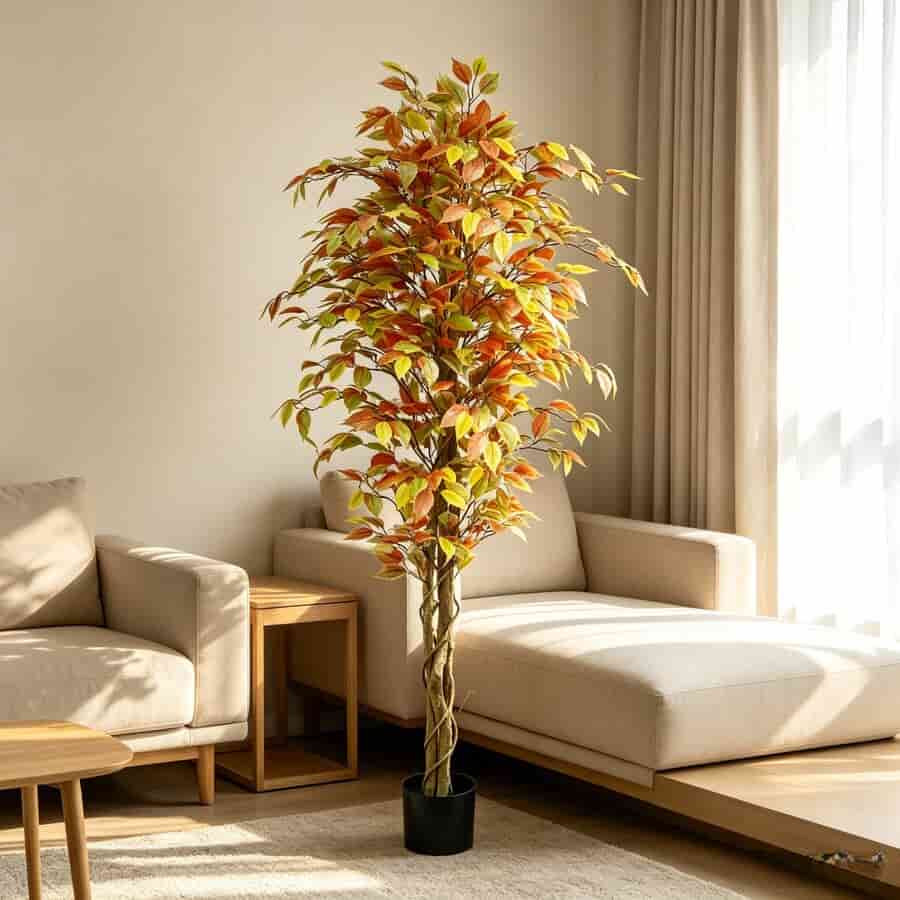
    Simple Ways to Refresh Your Space with Fall Artificial Plants As summer comes to an end, many interiors begin to shift from bright, fresh colors to warmer and more layered seasonal styles. You do not need to completely redecorate a room to create this change. A few carefully selected artificial plants for fall can introduce autumn colors, textures, and natural elements while keeping the existing greenery in place. Unlike seasonal fresh flowers or live plants, artificial plants can be rearranged, stored, and reused from year to year. This makes seasonal decorating more flexible, especially for homes, hotels, restaurants, retail stores, and other spaces that need regular visual updates.     Why Change Artificial Plants for Fall? Some common fall-inspired colors include: Warm green Golden yellow Burnt orange Rust Burgundy Brown Deep red The goal does not have to be a dramatic transformation. In many spaces, keeping some summer greenery while introducing a few autumn elements creates a more natural transition.   Start with Your Existing Artificial Plants Before adding new fall artificial plants, look at the plants you already have. Large artificial trees such as fiddle leaf figs, ficus trees, olive trees, and eucalyptus can often remain in place throughout the year. Their green foliage provides a neutral foundation that works with different seasonal decorations. Instead of replacing a large tree, consider changing the smaller elements around it.   Keep the Greenery Green artificial plants can continue to work well in fall. Plants with realistic leaves provide a natural background for seasonal colors. For example, an artificial olive tree can remain in a living room or hotel lobby while smaller fall branches, dried grasses, or warm-colored flowers are added nearby.   Add Seasonal Accents Small changes can make a larger visual difference than expected. Consider adding: Artificial maple leaves Faux autumn branches Artificial berries Dried-grass-style stems Warm-colored artificial flowers Seasonal wreaths Decorative planters This approach allows the same artificial plants to work across several seasons.     Choose Artificial Plants with Autumn Colors Color is one of the easiest ways to create a fall atmosphere. When selecting artificial plants for fall, look for foliage or flowers with natural variations rather than using one strong color throughout the room.   Artificial Maple and Autumn Trees Maple-inspired foliage is closely associated with autumn. Artificial maple trees and branches can become a visual focal point in an entryway, living room, reception area, or commercial display. For larger spaces, a tall artificial fall tree can add height and create a seasonal statement without requiring extensive decoration.   Artificial Branches and Stems Branches and stems are useful when a full artificial tree would be too large. They can be placed in: Glass vases Ceramic containers Decorative baskets Reception desks Dining tables Shelving units A combination of green foliage with orange, red, or golden stems can create a gradual transition from summer to fall.       Artificial Flowers Artificial chrysanthemums, dahlias, hydrangeas, and other warm-toned flowers can add seasonal color to smaller areas. A compact arrangement can work on a coffee table, countertop, reception desk, or dining table without changing the rest of the room.   How to Transition Room by Room Different spaces require different approaches. The best artificial plants for fall should match both the size of the room and the way the space is used.   Living Room The living room usually benefits from a combination of large greenery and smaller seasonal accents. Keep an existing artificial tree in the corner and add a warm-colored arrangement to a coffee table or sideboard. A textured basket or neutral ceramic planter can also help create a warmer autumn appearance.   Entryway The entryway is one of the easiest places to introduce seasonal décor. A tall artificial tree can provide height, while a small arrangement or autumn wreath can add color around the entrance. For larger entryways, two matching artificial trees can create a balanced appearance on either side of a doorway or console table.   Dining Room The dining table provides an opportunity to use smaller fall artificial plants. Instead of using a large centerpiece, consider a low arrangement of artificial foliage, autumn branches, or warm-colored flowers. This keeps the table practical while still introducing seasonal details.   Bedroom Fall decorating in a bedroom usually works best when the colors remain subtle. A small artificial eucalyptus plant, olive branch, or muted autumn arrangement can add seasonal texture without making the room feel overly decorated.   Commercial Spaces Hotels, restaurants, retail stores, offices, and event venues can also use artificial plants for fall to create seasonal displays. For commercial spaces, larger artificial trees can define an area, while smaller arrangements can be used on reception counters, dining tables, shelves, or display areas. Because artificial greenery does not require watering or regular pruning, it can also be easier to maintain during a seasonal display period.   Mix Summer Greenery with Fall Artificial Plants A common mistake when decorating for fall is removing all green plants at once. In many cases, a more balanced approach is to combine summer greenery with autumn elements. For example: Green artificial tree + warm autumn branches + neutral planter or Artificial eucalyptus + dried-grass-style stems + burgundy flowers This combination creates a gradual seasonal transition rather than making the room look completely different overnight. It also allows the same artificial plants to remain useful throughout the year.   Choose the Right Planter The planter can influence the appearance of an artificial plant almost as much as the foliage itself. For a summer look, lighter baskets and bright ceramic containers may work well. For fall, consider materials and colors such as: Terracotta Natural wood Woven baskets Matte ceramic Beige Brown Charcoal Warm white Neutral planters are particularly useful because they can be reused with different fall artificial plants and seasonal arrangements.   How to Make Artificial Plants Look More Natural Realistic appearance is important when using artificial plants as seasonal décor. A few simple adjustments can improve the overall presentation.   Adjust the Branches Artificial branches are often designed to be flexible. Spread individual stems and leaves slightly instead of leaving them in their original packed position.   Combine Different Textures Mixing broad leaves, narrow grasses, branches, and flowers creates more visual depth.   Avoid Perfect Symmetry Natural plants rarely grow in perfectly even patterns. Slightly different heights and directions can make an artificial arrangement appear more organic.   Keep the Base Simple A clean planter or basket can help the foliage remain the main visual element.   How to Store Seasonal Artificial Plants One advantage of fall artificial plants is that they can be reused. When the season ends, clean the foliage gently and remove dust before storage. Store smaller stems and arrangements in a dry container where they will not be crushed. Larger artificial trees may not need to be completely disassembled. If possible, keep them in a dry indoor storage area and protect delicate leaves and branches from pressure. Good storage can help seasonal artificial plants remain useful for many years.       The transition from summer to fall does not require a complete change of décor. By keeping versatile green artificial plants and adding a few seasonal colors, textures, and accessories, a space can gradually take on a warmer autumn character. From artificial maple trees and autumn branches to small floral arrangements and neutral planters, there are many ways to use artificial plants for fall in different settings. The most practical approach is to build around existing greenery, introduce seasonal accents gradually, and choose pieces that can be rearranged or reused in future seasons. This creates a flexible decorating system that works for both residential and commercial spaces.  
  • How to Shape Artificial Plants After Unpacking: Easy Steps to Make Fake Plants Look Real
    Aug 03, 2026
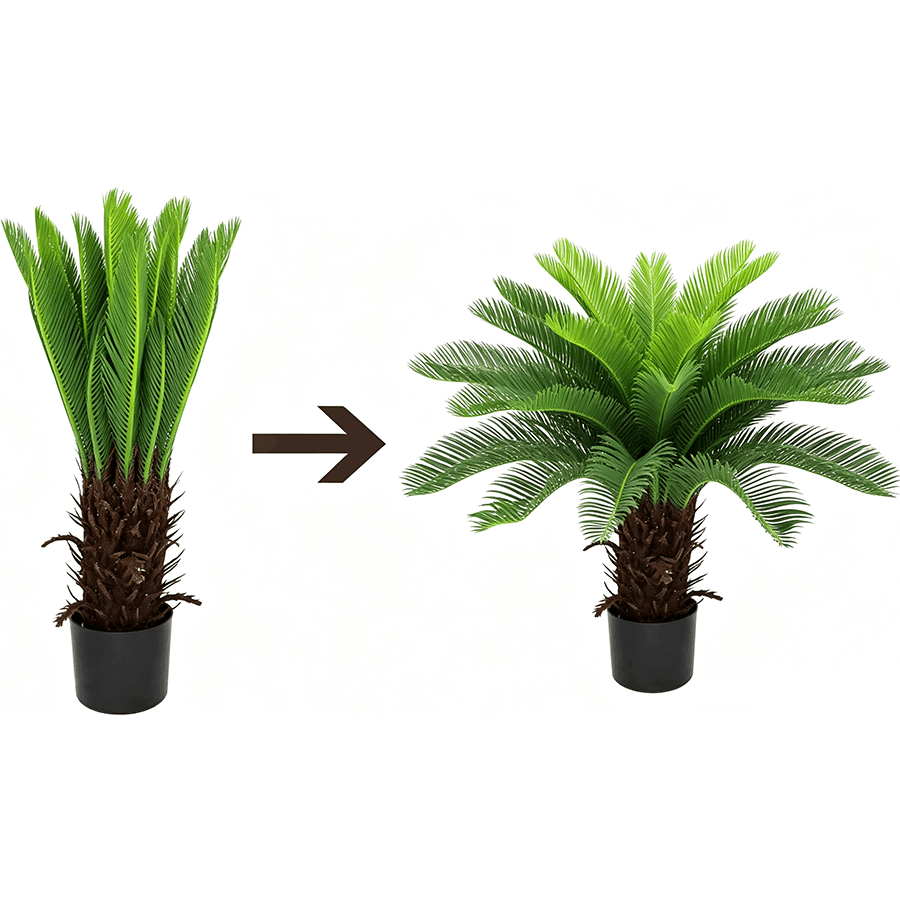
    When you receive a new artificial plant, it may not look exactly like the display photos immediately after opening the package. Leaves may be folded, branches may be pressed together, and the overall shape may appear smaller or less natural. This happens because artificial plants are usually packed carefully to protect the structure and reduce transportation space. During shipping, branches and leaves can become compressed, especially for larger artificial trees and plants. The good news is that most artificial plants are designed to be reshaped. With a few simple adjustments, you can restore the original appearance and create a fuller, more realistic look. Knowing how to shape artificial plants after unpacking is useful for homeowners, interior designers, retailers, hotels, restaurants, and commercial spaces that want their artificial greenery to look natural and attractive. This guide explains how to reshape fake plants, how to fluff artificial plants, how to arrange artificial plant leaves, and how to style artificial trees step by step.   Before shaping the leaves:     Why Do Artificial Plants Need Shaping After Unpacking? Artificial plants are made with flexible materials such as plastic, fabric, silk, PE, PVC, and metal-supported stems. These materials allow plants to maintain their structure while also making it possible to adjust their shape after installation.   During transportation, artificial plants are commonly packed in compact forms. This may cause: Leaves to overlap each other Branches to move closer together Stems to bend slightly Flowers or foliage to lose their original arrangement   Unlike live plants, artificial plants will not naturally spread their leaves or adjust their branches over time. The final appearance depends on proper manual styling. A few minutes of shaping can make a significant difference. By separating branches, adjusting leaf angles, and creating natural layers, an artificial plant can look much closer to a real plant.   Prepare Before Shaping Your Artificial Plant Before you start adjusting your artificial plant, prepare a suitable workspace and a few basic tools.   Choose a Spacious Area Large artificial trees need enough space to be fully opened. A small area may limit your ability to see the overall shape. A good location should allow you to: Walk around the plant View it from different angles Adjust branches freely   Useful Tools Most plants can be shaped by hand, but some tools can help. Gloves Gloves are useful when working with large artificial trees or plants with many branches. They also help prevent dust from transferring to the leaves. Spray Bottle A light mist of water may help relax certain fabric leaves or flower petals. Hair Dryer A hair dryer on low heat can help soften some materials. Keep it at a safe distance and avoid applying high heat directly. Small Scissors Scissors can be used to remove packaging ties or make minor adjustments if necessary.   Step-by-Step: How to Shape Artificial Plants After Unpacking Step 1: Remove All Packaging Carefully Start by removing protective materials slowly. Do not immediately pull branches outward with force. First, check the plant structure and identify: Main stem position Branch connection points Leaf arrangement Overall plant direction For larger artificial trees, remove packaging from top to bottom and gently release each section.   Shape the Main Structure First One of the most important tips for how to reshape fake plants is to adjust the branches before the leaves. The main structure determines the final appearance. Start with:   Opening Large Branches Move larger branches away from the center to create volume.   Creating Different Heights Avoid keeping all branches at the same level. Natural plants usually have uneven growth patterns.   Checking Balance Look at the plant from different directions and adjust areas that appear too empty or too crowded.   For artificial trees such as olive trees, ficus trees, and palm trees, branch positioning creates the foundation of a realistic appearance.   After shaping the leaves:                   How to Fluff Artificial Plants for a Fuller Look   Many customers ask how to fluff artificial plants after receiving them. Fluffing means separating and arranging leaves to increase fullness and improve the overall shape.   Separate Leaves Individually During transportation, leaves may stick together. Gently separate them one by one instead of opening several leaves at the same time. This helps prevent damage and creates a more natural arrangement.   Change Leaf Directions In nature, leaves do not grow in identical directions. Adjust leaves in different ways: Some facing upward Some extending sideways Some slightly downward Some closer to the center This variation creates depth.   Build Layers A realistic plant usually has multiple layers: Outer leaves create width Middle leaves create volume Inner leaves add depth   Avoid placing every leaf on the same surface.   How to Arrange Artificial Plant Leaves Like a Real Plant Correct leaf arrangement is one of the most important factors in making artificial plants look realistic. Many artificial plants appear unnatural because every leaf is positioned too evenly. Here are some practical methods.   Follow Natural Growth Patterns Observe real plants and copy their growth direction. For example:   Palm Trees Palm leaves usually spread outward in a fan shape. Adjust each leaf at slightly different angles.   Monstera Plants Large leaves often face different directions rather than all pointing forward.   Olive Trees Olive branches usually have a soft, flowing shape with small leaves distributed along the stems.   Ficus Trees Ficus trees often have a fuller canopy with overlapping layers.   Proper shaping is an important step after receiving an artificial plant. Although transportation may temporarily change the appearance, careful adjustment can restore the natural structure and improve the overall decorative effect. By learning how to shape artificial plants after unpacking, how to make artificial plants look real, and how to arrange artificial plant leaves, anyone can create realistic greenery that works well for homes, offices, hotels, restaurants, and commercial spaces. With the right styling techniques, artificial plants can provide long-lasting beauty while keeping maintenance simple.  
  • How Artificial Plants Can Elevate Office Interiors
    Jul 29, 2026
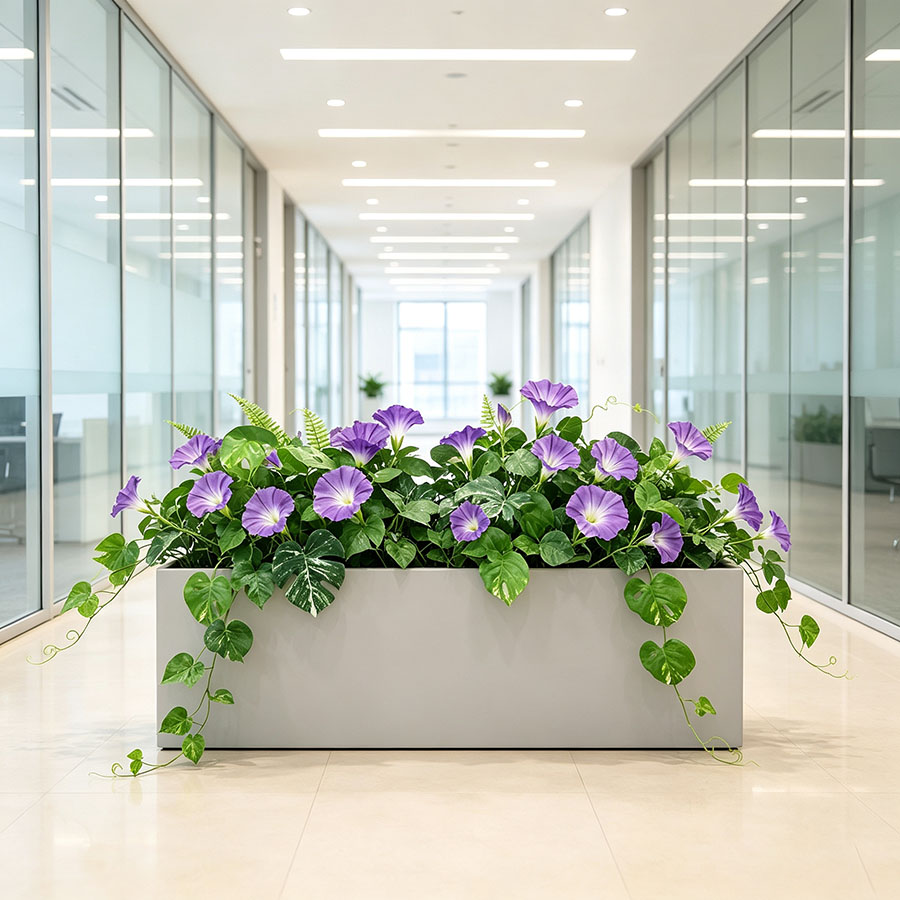
    In the fast paced world of modern business, creating a harmonious and productive workspace is paramount. While the benefits of natural greenery in offices are well documented, maintaining live plants can often be challenging as well as costly. Enter artificial plants, the versatile solution that effortlessly brings the beauty of the outdoors into the corporate environment. In this article, we'll explore the ways in which artificial plants can elevate office interiors, enhancing both aesthetics and employee well-being. Enhancing Aesthetics: The visual impact of a well designed office cannot be underestimated. Artificial plants offer a way to infuse a sense of natural splendour into any space. Whether it's a sleek, minimalist conference room or a vibrant open workspace, lifelike artificial plants can be strategically placed to add greenery with depth and texture. Boosting Staff Morale & Workplace Productivity:Extensive research validates that green foliage delivers tangible benefits to employees’ mental wellbeing. Unlike live vegetation, artificial plants require zero upkeep and remove all plant-care burdens, letting teams fully concentrate on core work without extra chores. Strategic green installations effectively lower workplace stress and spark creative thinking, cultivating a comfortable, high-efficiency office environment.   The Transformative Value of Biophilic Office Design:Biophilic design—an interior architectural concept that bridges humans and natural surroundings—has become a dominant modern office trend. Artificial foliage fits seamlessly into this design framework, crafting nature-infused workspaces that align perfectly with fast-paced contemporary professional demands. Whether custom moss feature walls or large potted artificial trees, these botanical replicas grant full design flexibility to realize biophilic aesthetics, with zero ongoing maintenance trade-offs.     Customization and Adaptability: Artificial plants come in an array of styles, sizes, and types. This allows for complete customization to suit the unique character of your office space. Whether you prefer the elegance of cascading vines, the vibrancy of flowering plants, or the simplicity of succulents, there's an artificial plant to match your vision. Areas of Application: The versatility of artificial plants knows no bounds. Consider hanging arrangements and artificial green walls in communal areas and break out spaces, potted plants in individual workstations, or large statement pieces in reception areas. Moreover, artificial plants are not confined by lighting conditions, making them ideal for spaces with limited natural sunlight. Sustainability & Long Service Life:Premium artificial plants are engineered for long-term durability. Their exceptional lifespan cuts down waste generation, and many models are crafted using recyclable raw materials to advance eco-friendly practices. Conclusion Incorporating artificial greenery into office interiors delivers multi-faceted benefits: it elevates visual aesthetics, cultivates tranquil work ambiances, fulfills core biophilic design concepts, and boosts employees’ overall wellbeing.   Artificial plants serve as a versatile, impactful solution to craft uplifting, high-productivity workspaces. Merge natural charm with contemporary modern design via artificial foliage, and transform your office into a space that excels in both stunning visual style and practical functionality.

leave a message

leave a message
If you are interested in our products and want to know more details,please leave a message here,we will reply you as soon as we can.

Home

Products

WhatsApp

contact